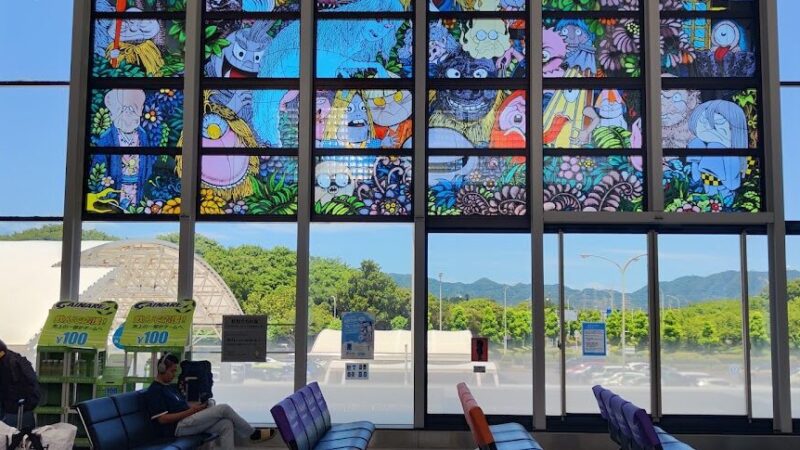
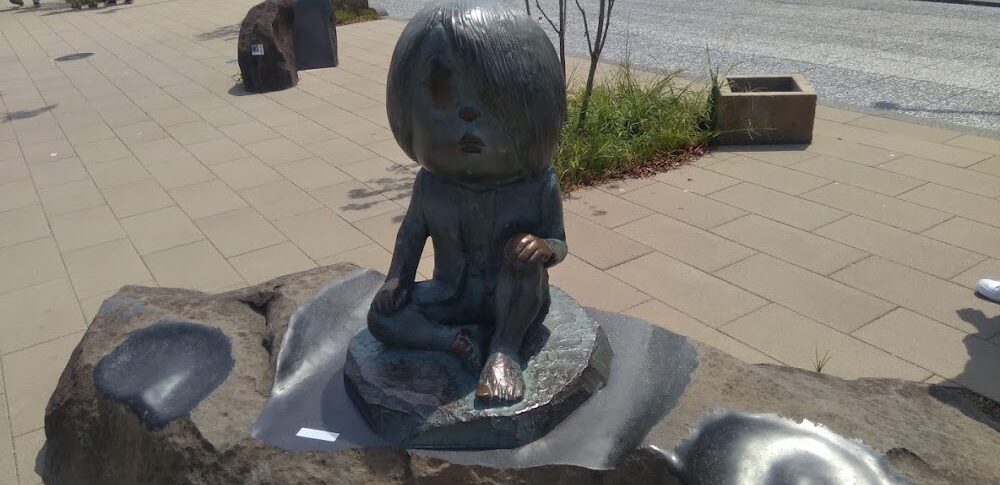
Sakaiminato City in Tottori Prefecture is known as the hometown where Shigeru Mizuki, the creator of the nationally beloved manga “GeGeGe no Kitaro,” spent his childhood. Today, it has become a major tourist destination attracting fans from across the country as Japan’s largest-scale yokai theme town. This article presents all the charms of Sakaiminato City.
The Deep Connection Between Sakaiminato City and GeGeGe no Kitaro
Shigeru Mizuki and Sakaiminato
Shigeru Mizuki was born in Osaka in 1922, but spent his childhood and youth in Sakaiminato City. His experiences in Sakaiminato, particularly the yokai stories he heard from a neighbor called “Nonnon-baa,” are said to have greatly influenced his later works.
Sakaiminato City honored Mizuki’s achievements and developed the entire town as a yokai theme park. Since the opening of Mizuki Shigeru Road in 1993, Sakaiminato has become nationally known as the “Town of Yokai.”
The World of GeGeGe no Kitaro
“GeGeGe no Kitaro” depicts a world where yokai and humans coexist. The protagonist Kitaro, as the last survivor of the ghost clan, solves various problems that arise between humans and yokai. Eyeball Father, Mouse Man, Cat Girl, Crying Old Man, Sand-Throwing Old Woman, and other distinctive yokai characters appear and continue to be loved across generations.
Mizuki Shigeru Road: An 800-Meter Promenade Where Yokai Welcome You
Overview of Mizuki Shigeru Road
Mizuki Shigeru Road is a promenade stretching approximately 800 meters from JR Sakaiminato Station to the Mizuki Shigeru Memorial Museum. Since its opening in 1993, it has been developed gradually, with a major renovation completed in July 2018.
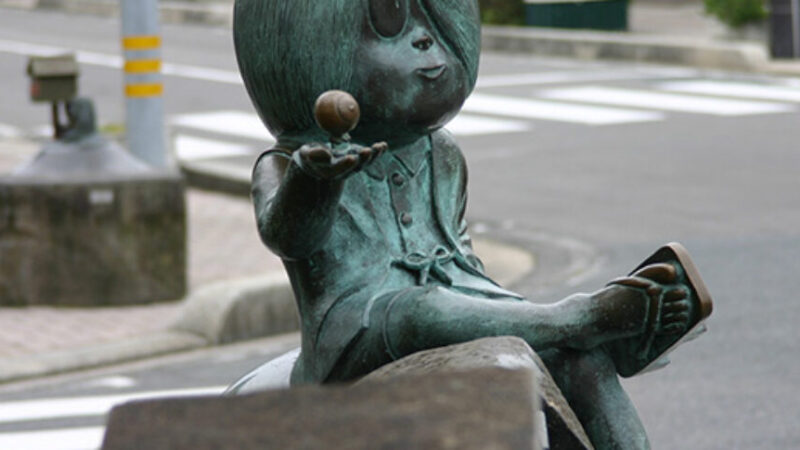
On both sides of the road, 178 yokai bronze statues are currently installed. Featuring characters from “GeGeGe no Kitaro” as well as folklore yokai from across Japan, they welcome visitors. Each bronze statue comes with an explanatory plate where you can learn the yokai’s name and characteristics.
Yokai Arrangement by Zone
The 2018 renovation repositioned the yokai into thematic zones. Walking from Sakaiminato Station toward the museum, you can enjoy the following zones:
Station Front Area: Main characters such as Kitaro and Eyeball Father are concentrated here. Sakaiminato Station itself is decorated as “Kitaro Station,” pulling you into the yokai world the moment you arrive.
Shopping Street Area: Various types of yokai bronze statues are scattered throughout, and stores themed around yokai line the street. You can enjoy yokai merchandise, souvenirs, restaurants, and more while shopping and sightseeing simultaneously.
Museum Vicinity Area: Spots where you can experience the yokai world in greater detail are concentrated here.
The Mizuki Shigeru Road at Night
The nighttime illumination, newly introduced with the 2018 renovation, is a fresh attraction of Mizuki Shigeru Road. After sunset, yokai bronze statues and street trees are lit up, creating a fantastical atmosphere completely different from the daytime.
The illumination runs from sunset until around 10 PM, offering a special experience of yokai exploration at night. In contrast to the lively daytime atmosphere, a quiet and mystical yokai world unfolds.
Mizuki Shigeru Memorial Museum: Deeply Understanding the Works and Life
Museum Features
The Mizuki Shigeru Memorial Museum is located at the end of Mizuki Shigeru Road and comprehensively introduces Shigeru Mizuki’s life, works, and the world of yokai.
Address: 5 Honcho, Sakaiminato City, Tottori Prefecture
Hours: 9:30 AM–5:00 PM (Last admission 4:30 PM)
Closed: Open year-round
Admission: Adults ¥700, High/Middle School ¥500, Elementary School ¥300
Exhibition Contents
The museum is divided into multiple zones, each with different themes:
The Life of Shigeru Mizuki: His childhood life in Sakaiminato, war experiences, and his journey as a manga artist through hardship to success are introduced with photographs and documents.
Works Gallery: You can view original paintings and the creative process of his representative works, including “GeGeGe no Kitaro.” This is a rare opportunity to appreciate Mizuki’s meticulous drawing techniques and unique worldview up close.
Yokai Cave: Various yokai are displayed in a dimly lit space designed to resemble a cave. An immersive exhibition experience where both children and adults can immerse themselves in the yokai world.
Mizuki World: Also displayed are folk art materials and masks from various countries that Mizuki collected, allowing you to feel the international breadth of yokai culture.
GeGeGe’s Yokai Rakuen: An Interactive Attraction
Overview of Yokai Rakuen
GeGeGe’s Yokai Rakuen is an interactive facility that opened in 2018 along Mizuki Shigeru Road. It is particularly popular with families as a spot where you can see, play, and enjoy the world of “GeGeGe no Kitaro.”
Address: 138 Sakae-cho, Sakaiminato City, Tottori Prefecture
Hours: 9:30 AM–5:00 PM (Hours vary by season)
Admission: Adults ¥700, High/Middle School ¥500, Elementary School ¥300
Ways to Enjoy Yokai Rakuen
Nostalgic Festival Games: Enjoy shooting galleries, ring tosses, smart balls, and other retro Showa-era festival games. Every game incorporates yokai motifs, allowing you to experience the GeGeGe world.
Photo Spots: Multiple spots where you can take photos with Kitaro, Eyeball Father, and friends are set up. Full-size character statues and face-out panels offer plenty of Instagram-worthy photo opportunities.
Yokai Attractions: Small-scale attractions where you can experience the yokai world are very popular with children.
Yokai Goods Shop: You can purchase original goods and limited products.
Tips for Exploring the Grounds
Since Yokai Rakuen is an outdoor facility, it’s recommended to dress appropriately for the weather. There are rest areas within the grounds where you can leisurely enjoy the yokai world. Plan for 1-2 hours to explore.
Other Yokai Spots
Yokai Shrine
The Yokai Shrine, located in the middle of Mizuki Shigeru Road, is a rare shrine built in 2000. Its chief object of worship is a black granite stone approximately 3 meters tall, and the “Eyeball Stone” shaped like Eyeball Father is also enshrined here.
At the Yokai Shrine, you can purchase amulets and ema (wooden prayer plaques) featuring yokai. The “Yokai Goshuin” (shrine stamp) is particularly popular, with many visitors purchasing it as a memento.
Yokai Police Box
The police box along Mizuki Shigeru Road is also designed in yokai style. Statues of Kitaro and Mouse Man are mounted on the roof, and it provides tourism information. Police officers actually staff the box, overseeing visitor safety while creating the yokai world atmosphere.
Yokai Signboards
Each store in the shopping street displays signboards featuring different yokai. There are over 100 types of yokai signboards in total, and exploring to find them all is part of the fun. Many stores often provide products and services featuring their respective yokai motifs, making store browsing itself appealing.
Kappa Spring
A small plaza along Mizuki Shigeru Road features a scene of kappa statues playing at the water’s edge. It’s popular as a water play spot for children during summer.
Access to Sakaiminato
Access from Yonago Kitaro Airport
Yonago Kitaro Airport (official name: Yonago Airport) is located on the border between Tottori and Shimane prefectures and serves as the gateway to Sakaiminato City. The airport’s nickname is “Yonago Kitaro Airport,” allowing you to enjoy the yokai atmosphere from arrival.
From the airport to central Sakaiminato City, there are several options:
Shuttle Bus: Approximately 45 minutes from the airport to Sakaiminato Station, fare is about ¥900. With only a few buses daily, it’s recommended to check the schedule in advance.
Taxi: Approximately 30 minutes travel time, fare around ¥5,000.
Rental Car: Rental car counters are available in the airport and are convenient if you want freedom of movement.
Access from Izumo Enmusubi Airport
Access to Sakaiminato City is also possible from Izumo Enmusubi Airport in Shimane Prefecture. From the airport to Sakaiminato City is approximately one hour by car. This is convenient if planning a tourist route combining it with Izumo Taisha.
Access by Train
Take the JR Sanin Main Line to Yonago Station, then transfer to the Sakai Line heading to Sakaiminato Station. The Sakai Line is known as the “Kitaro Train,” with each train car designed with different yokai characters. There are 6 formations: Kitaro, Mouse Man, Cat Girl, Eyeball Father, Crying Old Man & Sand-Throwing Old Woman, and One-Stripe Monster.
From Yonago Station to Sakaiminato Station takes approximately 45 minutes, fare is ¥320. Riding the Kitaro Train itself is a tourism experience, and the in-train announcements are yokai-themed as well.
Access by Car
From Osaka area: Chugoku Expressway → Yonago Expressway → About 40 minutes from Yonago IC
From Hiroshima area: San’in Expressway → About 40 minutes from Yonago IC
From Okayama area: Yonago Expressway → About 40 minutes from Yonago IC
Multiple paid parking lots are scattered throughout Sakaiminato City, particularly around Mizuki Shigeru Road. The standard rate is around ¥500 per day.
Sakaiminato Tourism Model Courses
Day Trip Course (Approximately 5-6 hours)
9:30 Arrive at Sakaiminato Station, commemorative photos with Kitaro and friends at the station
10:00 Explore Mizuki Shigeru Road while touring the yokai bronze statues
11:30 Experience carnival games and photo spots at Yokai Rakuen
12:30 Lunch at the shopping street (enjoy yokai cuisine)
14:00 Carefully view exhibitions at the Mizuki Shigeru Memorial Museum
15:30 Worship at the Yokai Shrine, souvenir shopping
16:30 Return journey from Sakaiminato Station
1-Night, 2-Day Course
Day 1
Arrive in the afternoon, explore Mizuki Shigeru Road, view nighttime illumination, stay overnight in Sakaiminato or Yonago City
Day 2
Visit the Mizuki Shigeru Memorial Museum and Yokai Rakuen in the morning, lunch, then go sea food shopping at Sakaiminato Fish Center, or extend your trip to Mihonoseki or the Daisen area
Sakaiminato Cuisine and Souvenirs
Yokai Cuisine
Sakaiminato offers various yokai-themed cuisine:
Eyeball Father Chestnut Buns: Popular sweets shaped like Eyeball Father
Yokai Ramen: Ramen with black broth or green noodles, visually entertaining
Kitaro Cake: Sweets shaped like Kitaro’s face in a taiyaki style
Yokai Soft Serve Ice Cream: Colorful, mysterious-colored soft ice cream in shades like blue and purple
Sakaiminato Seafood Cuisine
Sakaiminato is also one of Japan’s premier fishing ports. It particularly boasts the largest volume of snow crab landings in Japan.
Crab Dishes: Fresh snow crab dishes can be enjoyed year-round
Seafood Rice Bowls: Rice bowls made with fresh seafood landed in Sakaiminato
Nodoguro: Akamutsu (nodoguro), known as a luxury fish, is also a specialty of Sakaiminato
Souvenirs
Yokai Goods: A wide variety of plushies, keychains, stationery, and other yokai merchandise
Yokai Snacks: Cookies, crackers, chocolates, and other treats featuring yokai motifs
Shigeru Mizuki Related Books: Manga, art books, yokai encyclopedias, and more
Sakaiminato Marine Products: Dried fish, delicacies, crab products, and more
Nearby Tourist Spots
Miho Shrine and Mihonoseki
Located approximately 20 minutes by car from Sakaiminato, Miho Shrine is known as the head shrine of Ebisu. You can also enjoy the scenic harbor town landscape of the Aoiseki Tatami Street and Mihonoseki Lighthouse.
Daisen
Daisen, the highest peak in the Chugoku region, is approximately one hour by car from Sakaiminato. You can enjoy mountain climbing, skiing, and nature walks according to each season.
Adachi Museum of Art
The Adachi Museum of Art in Yasui City, Shimane Prefecture, is renowned internationally for its Japanese garden. Located approximately 40 minutes by car from Sakaiminato, you can appreciate a collection of Japanese paintings and beautiful gardens.
Izumo Taisha
Famous as the shrine of good fortune in love, Izumo Taisha is approximately one hour by car from Sakaiminato. It’s popular as a tourism route combined with Sakaiminato.
Practical Information for Sakaiminato Tourism
Tourism Information Center
Sakaiminato Station Tourism Information Center: Located inside JR Sakaiminato Station, it provides distribution of tourism maps, lodging introductions, and baggage storage services. Yokai stamp rally papers can be obtained here.
Hours: 8:30 AM–5:30 PM (Open year-round)
Best Seasons
Sakaiminato is enjoyable year-round, but particularly recommended times are:
Spring (March–May): Mild weather ideal for walking tours
Summer (July–August): Popular with families during summer vacation; many events held
Autumn (October–November): Beginning of crab season; also enjoy gourmet experiences
Winter (November–March): Peak season for delicious crab; relatively fewer tourists for relaxed sightseeing
Estimated Duration
Exploring Mizuki Shigeru Road alone: 2-3 hours
Basic course including the museum: 4-5 hours
Comprehensive course including Yokai Rakuen: 6-7 hours
1-2 days including nearby attractions: Recommended
Clothing and Essentials
Since Mizuki Shigeru Road centers on outdoor exploration, comfortable walking shoes and weather-appropriate clothing are necessary. In summer, wear a hat and sunscreen due to strong sunlight; in winter, take proper winter precautions.
A camera or smartphone is essential. If you want to photograph all 178 yokai bronze statues, ensure sufficient battery and memory capacity.
Event Information
Shigeru Mizuki Birthday Festival
Held every March to celebrate Shigeru Mizuki’s birthday. Special exhibitions, talk shows, and limited merchandise sales are held.
Yokai Bronze Statue Cleaning Volunteer Event
A citizen-participation event held regularly to polish and clean yokai bronze statues. Tourists can also participate, offering an opportunity to become more intimate with the yokai.
Sakaiminato Yokai Jazz Festival
A music event held in autumn where Mizuki Shigeru Road is filled with jazz music.
Mizuki Shigeru Road Illumination
Special illumination events may be held during the winter season, offering performances different from the regular lighting.
Conclusion: Fully Enjoy the Yokai World in Sakaiminato
Sakaiminato City in Tottori Prefecture is a one-of-a-kind tourist destination where you can fully experience the world of “GeGeGe no Kitaro.” It is filled with diverse charms: 178 yokai bronze statues along Mizuki Shigeru Road, deep learning at the Mizuki Shigeru Memorial Museum, interactive attractions at Yokai Rakuen, and fresh seafood delicacies.
Sakaiminato, enjoyable by people of all ages across generations, offers satisfying tourism whether as a day trip or overnight stay. In this special space where yokai, a traditional Japanese culture, and the rich imagination of Shigeru Mizuki merge, experience extraordinary moments outside everyday life.
From the moment you step off at Sakaiminato Station, you become a resident of the yokai world. Kitaro, Eyeball Father, and 178 yokai friends await your visit with anticipation.