About Aoyama Gosho Hometown Museum
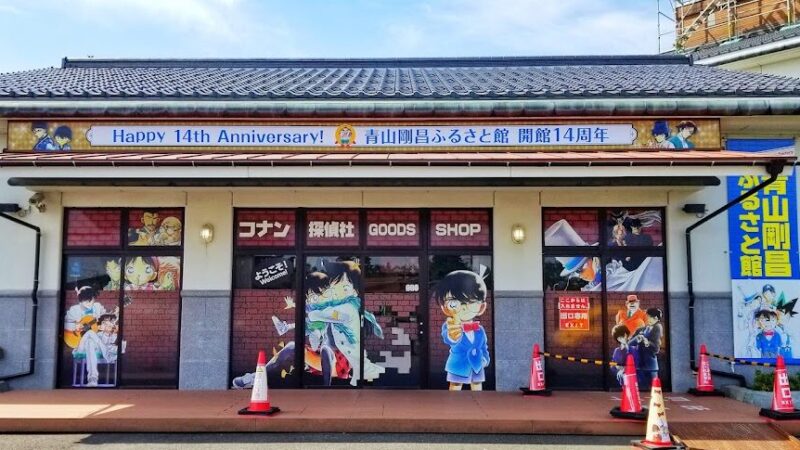
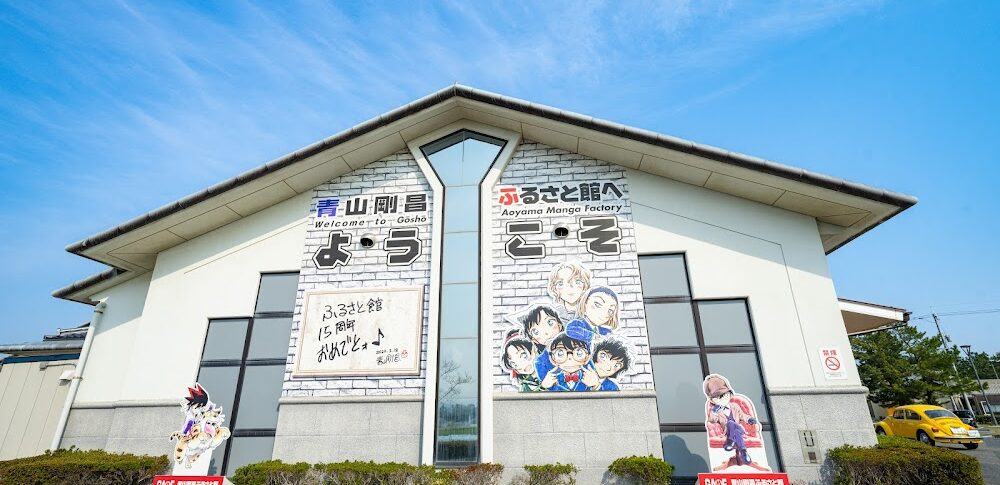
The Aoyama Gosho Hometown Museum is a commemorative museum located in Hokue Town, Tōhaku District, Tottori Prefecture, the birthplace of manga artist Aoyama Gosho, known for works such as “Detective Conan,” “YAIBA,” and “Magic Kaito.” Opened in March 2007, it has become a sacred site for Conan fans, attracting visitors from across the country who can experience Aoyama’s creative world and artistic journey.
The museum features exhibits that fans enjoy, including a recreation of Aoyama’s work studio, displays of original artwork, and trick art experiences. Additionally, exclusive merchandise available only at this location is sold in large quantities, making it popular as a souvenir for those on a pilgrimage to this sacred site.
Why Hokue Town, Tottori Prefecture Became the Sacred Site of Detective Conan
Birthplace of Aoyama Gosho
Hokue Town, Tottori Prefecture (formerly Daiei Town) is where manga artist Aoyama Gosho was born and raised in 1963. After graduating from local elementary and middle schools, Aoyama nurtured his dream of becoming a manga artist in this town. To honor Aoyama’s achievements and deep attachment to his hometown, the entire town has been developing urban planning that incorporates the Detective Conan world.
The Birth of Conan Street
The approximately 1.4-kilometer road leading to the Aoyama Gosho Hometown Museum has been named “Conan Street,” with more than 20 character bronze statues from Detective Conan scattered along its path. This street, where popular characters such as Shinichi Kudo, Ran Mouri, Ai Haibara, and Kaito Kid welcome visitors, has become a highlight of the pilgrimage.
Highlights of the Aoyama Gosho Hometown Museum
Recreation of Aoyama Gosho’s Work Studio
One of the most popular areas in the museum is a faithful recreation of Aoyama’s actual work studio. Drawing materials and reference materials used in manga production, as well as the actual desk used by the artist, are on display, offering a valuable opportunity to glimpse the creative workspace of a professional manga artist.
The arrangement of pens, inks, screentones, and other materials provides a precious chance to understand how manga is created.
Display of Original Artwork
Valuable original artwork drawn by Aoyama is displayed on a rotating basis. You can view the brushstrokes, pen techniques, and correction marks of the original artwork up close—details that cannot be conveyed through printed materials—making this a moving experience for fans.
Since the display content changes regularly, there are always new discoveries to be made with each visit.
Trick Art Experience Corner
A popular Trick Art corner where visitors can experience the world of Detective Conan is also available. You can take photos with Conan and his friends, creating memorable and Instagram-worthy pictures.
This space is filled with tricks such as Conan riding a skateboard and recreated crime scenes, allowing visitors to experience iconic scenes from the series.
Young Detective Group Mystery-Solving Game
The museum also offers mystery-solving games that allow visitors to experience the thrill of being a detective. This interactive attraction, where visitors collect clues while viewing exhibits and solve cases, is popular content enjoyed by both children and adults.
Museum Shop
The museum shop, which carries an abundance of original merchandise exclusive to the Homeland Museum, is the perfect place to purchase souvenirs to commemorate your pilgrimage.
A wide variety of items are available here, including stationery, T-shirts, keychains, and sweets featuring original illustrations. In particular, merchandise featuring illustrations specially drawn by Aoyama often sells out immediately due to its popularity.
How to Access the Aoyama Gosho Hometown Museum
Access by Train
Access from JR Yura Station
- Get off at “Yura Station” on the JR Sanin Main Line, approximately 20-minute walk
- Yura Station is also affectionately known as “Conan Station”
- The station building and surrounding areas are decorated with Conan designs, allowing you to enjoy the atmosphere of the sacred site from the moment you arrive
Travel time from major cities
- From Tottori Station: Approximately 40 minutes via JR Sanin Main Line
- From Yonago Station: Approximately 1 hour 20 minutes via JR Sanin Main Line
- From Kurayoshi Station: Approximately 30 minutes by bus
Access by Car
Using highways
- Approximately 15 minutes from “Hojo IC” on the Sanin Expressway
- Approximately 10 minutes from “Daiei-Tōhaku IC” on the Sanin Expressway
Parking information
- The Aoyama Gosho Hometown Museum has a free parking lot (approximately 50 regular vehicles)
- There is also parking space for large buses, making group visits possible
Access from Airports
From Tottori Sand Dune Conan Airport
- Approximately 30 minutes by taxi
- Approximately 30 minutes by airport shuttle bus to Kurayoshi Station, then by bus or taxi
The Tottori Sand Dune Conan Airport is also decorated with Detective Conan themes, allowing you to experience the atmosphere of pilgrimage from the moment you arrive at the airport.
Opening Hours, Admission Fees, and Closed Days
Opening Hours
- April to October: 9:30 AM to 5:30 PM
- November to March: 9:30 AM to 5:00 PM
- Final admission is 30 minutes before closing
Admission Fees (as of 2024)
- Adults: 700 yen
- High school and middle school students: 500 yen
- Elementary school students: 300 yen
- Preschool children: Free
- Group discount (20 or more people): 100 yen off each admission price
Closed Days
- Open year-round (however, temporary closures may occur for exhibit changes)
- It is recommended to check the official website for the latest information before visiting
Nearby Detective Conan Sacred Sites
Conan Street (Aoyama Gosho Hometown Museum Road)
The approximately 1.4-kilometer road stretching from JR Yura Station to the Aoyama Gosho Hometown Museum has been developed as “Conan Street.” Along this street, more than 20 character bronze statues from Detective Conan are installed, making it popular as a photo spot.
Main Bronze Statues
- Shinichi Kudo
- Ran Mouri
- Ai Haibara
- Kaito Kid
- Heiji Hattori
- Kazuha Toyama
- Professor Hiroshi Agasa
- Young Detective Group (Ayumi, Genta, Mitsuhiko)
Each bronze statue recreates an iconic scene from the series, and fans can immediately recognize which moment is being depicted.
Conan Station (JR Yura Station)
JR Yura Station is affectionately known as “Conan Station.” The station building features a large illustration of Conan, and there are Conan merchandise displays and commemorative photo spots within the station.
The train departure melody uses the Detective Conan theme song, adding excitement to the beginning of your pilgrimage.
Conan’s House Yonehana Shopping Street
“Conan’s House Yonehana Shopping Street,” located within walking distance of the Aoyama Gosho Hometown Museum, is a commercial facility that recreates “Yonehana Town” from the series. It features buildings modeled after locations in the work, such as the Poirot Café and Mouri Detective Agency, offering an experience of stepping into Conan’s world.
Cafés, restaurants, and souvenir shops are housed here, allowing visitors to enjoy Conan-themed cuisine and desserts.
Hokue Town Library
Hokue Town Library is also decorated with Detective Conan themes. Inside the library is a corner dedicated to Aoyama Gosho’s works, where you can read the entire Conan series.
The exterior of the library is also illustrated with Conan designs, making it popular as a photo spot.
Michi no Eki Daiei
Near the Aoyama Gosho Hometown Museum, “Michi no Eki Daiei” (a roadside station) sells local specialty products along with Detective Conan merchandise. Sweets made with Tottori Prefecture’s famous twentieth-century pears and products with Conan packaging are ideal for souvenir shopping.
Recommended Model Itineraries for a Pilgrimage
Half-Day Course (approximately 4 hours)
9:30 AM Arrival at JR Yura Station (Conan Station)
- Commemorative photo with Conan illustration at the station building
- Viewing Conan merchandise displays in the station
10:00 AM Stroll along Conan Street
- Take commemorative photos with bronze statues while walking slowly
- Make sure not to miss the main character statues
11:00 AM Arrival at and sightseeing of the Aoyama Gosho Hometown Museum
- Carefully view exhibits (approximately 1.5 to 2 hours)
- Try the mystery-solving game
- Purchase souvenirs at the museum shop
1:00 PM Lunch at Conan’s House Yonehana Shopping Street
- Enjoy Conan-themed cuisine
2:00 PM Souvenir shopping at Michi no Eki Daiei
Full-Day Course (approximately 7 hours)
In addition to the half-day course, also visit:
3:00 PM Hokue Town Library
- Read works in the Conan corner
- Take photos of the library exterior
4:00 PM Stroll through nearby nature spots
- Enjoy the beautiful rural landscape of Hokue Town
- Visit the Japan Sea coastline (approximately 10 minutes by car)
5:00 PM Watch the sunset
- Enjoy the beautiful sunset over the Japan Sea
Tips for Enjoying Your Pilgrimage to the Fullest
Prior Preparation
Review of the series
Reviewing the Detective Conan anime or manga before your visit will help you better understand the exhibits and bronze statues’ original scenes, making your experience more enjoyable. It is especially recommended to review Aoyama’s early works and famous episodes of Conan.
Check the official website
Special exhibitions and event information are regularly updated on the official website. Information about limited merchandise sales is also posted, so be sure to check it before your visit.
Photography Tips
Photography with bronze statues
Taking photos while posing in the same stance as the characters at the bronze statues along Conan Street will result in pictures that make it feel like you’ve stepped into the series’ world. Photography platforms may be set up in front of some bronze statues.
Notes on photography inside the museum
Some areas inside the Aoyama Gosho Hometown Museum are off-limits for photography. Areas with original artwork displays are often non-photography zones, so follow the signs within the museum. Feel free to take photos in trick art corners and other areas where photography is permitted.
How to Obtain Limited Merchandise
Popular limited merchandise often sells out early in the day. Since crowding is especially expected on weekends and holidays, visiting shortly after opening is recommended. While some products can be purchased through online shops, many are exclusive to the museum, so purchasing in person is the safest option.
Combining with Other Tourist Spots in Tottori Prefecture
Tottori Sand Dunes
Located approximately 40 minutes by car from the Aoyama Gosho Hometown Museum, the Tottori Sand Dunes are famous as Japan’s largest sand dunes. In addition to enjoying majestic natural scenery, you can also enjoy activities such as camel riding and paragliding.
Mizuki Shigeru Road (Sakaiminato City)
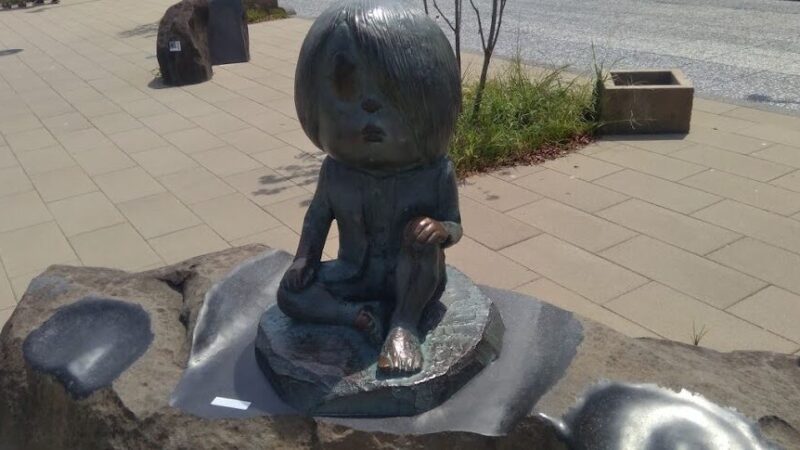
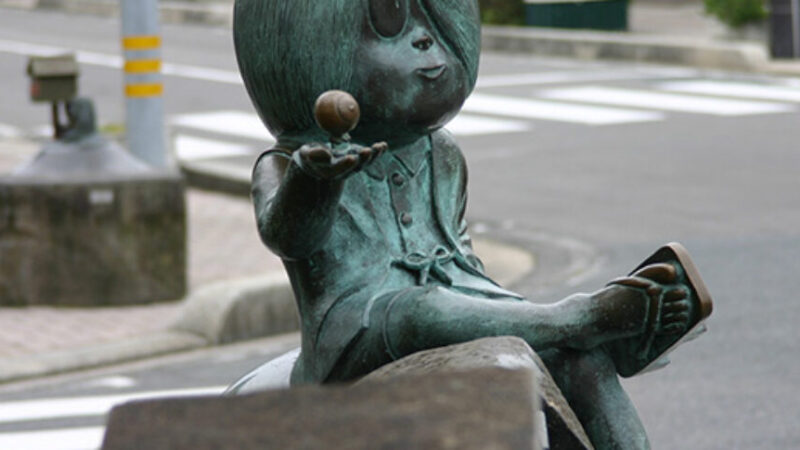
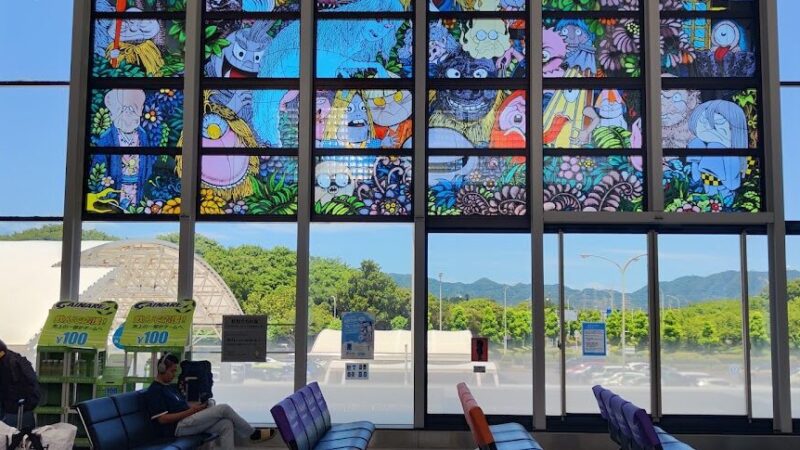
Another manga sacred site in Tottori Prefecture is Mizuki Shigeru Road in Sakaiminato City. This is the birthplace of Mizuki Shigeru, author of “GeGeGe no Kitarō,” and features a shopping street themed around yokai. Located approximately 1 hour 30 minutes by car from the Aoyama Gosho Hometown Museum, the “Manga Kingdom Tottori” tour visiting both sacred sites is also popular.
Misasa Hot Spring and Kaike Hot Spring
Tottori Prefecture has many historic hot spring destinations. To recover from the fatigue of pilgrimage, staying at Misasa Hot Spring or Kaike Hot Spring is also recommended. Some hot spring inns offer plans in collaboration with Detective Conan.
Kurayoshi White Wall Earthen Storehouse District
Located approximately 20 minutes by car from the Aoyama Gosho Hometown Museum, Kurayoshi City features a white wall earthen storehouse district with buildings remaining from the Edo and Meiji periods. You can stroll through the historic townscape and enjoy a retro atmosphere.
Seasonal Event Information
Spring Events
Special exhibitions during cherry blossom season
Special exhibitions themed around cherry blossoms may be held in spring. Visiting cherry blossom viewing spots in Hokue Town along with the museum will make for a more fulfilling trip.
Summer Events
Conan Mystery-Solving Events
During the summer vacation period, special mystery-solving events for children may be held. Large-scale mystery-solving games using both indoor and outdoor spaces are popular with families.
Autumn Events
Aoyama Gosho’s Birthday Event
Events commemorating Aoyama’s birthday (June 21) may be held around that date. Limited merchandise sales and special exhibitions are must-see content for fans.
Winter Events
Christmas and New Year Events
During winter, decorations and exhibits themed around Christmas and the New Year are displayed. Conan Street in a snowy landscape has a special charm, allowing for winter-specific pilgrimage experiences.
Accommodation Information
Accommodations in Hokue Town
There are several small hotels and private inns in Hokue Town. Many offer cuisine made with local ingredients, with an appealing homey atmosphere.
Accommodations in Kurayoshi City
About 20 minutes by car from Kurayoshi City, there are a wide range of accommodations from business hotels to hot spring inns. Using Kurayoshi as a base to visit the Aoyama Gosho Hometown Museum and nearby attractions is also convenient.
Accommodations in Tottori City
Tottori City has many large hotels and business hotels. If you plan to visit both the Tottori Sand Dunes and the Aoyama Gosho Hometown Museum, staying in Tottori City is also recommended.
Dining and Gourmet Information
Conan Cafés and Conan Cuisine
Café inside Conan’s House Yonehana Shopping Street
Menus featuring Detective Conan are abundant. You can enjoy visually appealing dishes such as curry rice shaped like Conan’s face and sweets inspired by characters.
Tottori Prefecture’s Famous Cuisine
Twentieth-century pears
Tottori Prefecture is famous as a pear-producing region. The twentieth-century pear is known for its refreshing sweetness, and sweets and juices made with pears are also recommended.
Pine-needle crab
During winter (November to March), pine-needle crabs caught in the Japan Sea are in season. Many restaurants serve fresh crab dishes.
Seafood rice bowls
With Tottori Prefecture facing the Japan Sea, there is an abundance of fresh seafood. Seafood rice bowls made with local fish and shellfish are exquisite.
Recommended Souvenirs
Souvenirs Exclusive to the Aoyama Gosho Hometown Museum
- Limited illustration merchandise: Stationery, clear files, and postcards featuring original illustrations drawn by Aoyama
- Plush toys: Exclusive design plushies of Conan and friends
- Apparel: T-shirts, tote bags, towels, and other practical items
Tottori Prefecture Specialty Products
- Sweets made from twentieth-century pears: Pear jelly, pear tarts, pear jam, and more
- Inaba White Rabbit merchandise: Sweets and miscellaneous goods featuring the Tottori Prefecture myth “The White Rabbit of Inaba”
- Ago Katsu: Fried fish cakes made from flying fish (ago)
- Rakkyō: Pickled scallions cultivated in the Tottori Sand Dunes are a specialty product
Notes for Your Visit
Crowded Periods
Large holiday periods such as Golden Week, summer vacation, and the New Year are expected to be crowded. Parking lots may become full on weekends, so using public transportation or arriving early is recommended.
Weather Precautions
Summer
Tottori Prefecture can get very hot in summer. When walking along Conan Street, prepare a hat, parasol, and water for hydration.
Winter
Snow may fall in winter. If driving, prepare studded tires or chains. Remember to also prepare warm clothing.
Barrier-Free Information
The Aoyama Gosho Hometown Museum is wheelchair-accessible. The facility has elevators and multi-purpose restrooms. However, some sections of Conan Street have narrow sidewalks, so caution is needed.
History of the Aoyama Gosho Hometown Museum and Its Future
Background of Opening
The Aoyama Gosho Hometown Museum was opened in March 2007 to honor local native Aoyama Gosho and promote regional development through his works. Since opening, it has welcomed more than 100,000 visitors annually and has become one of Tottori Prefecture’s leading tourist attractions.
Renovations and Expansions
Since its opening, the museum’s exhibits have been regularly renovated with new content added. A major renovation was carried out around the museum’s 10th anniversary in 2017, enriching interactive experiences.
Future Prospects
As Detective Conan continues to grow in popularity both domestically and internationally, the number of foreign tourists is increasing. In the future, further enrichment of exhibits and events that more fans can enjoy is expected.
Summary: Making the Most of Your Pilgrimage
The Aoyama Gosho Hometown Museum and surrounding sacred sites are places that Detective Conan fans should visit at least once in a lifetime. By experiencing the series’ world and touching the traces of Aoyama’s creative work, your understanding and affection for the series will deepen further.
When visiting, it is recommended to check the official website for the latest information and plan your itinerary with ample time. From strolling Conan Street to viewing museum exhibits and enjoying regional cuisine, make the most of Tottori Prefecture’s unique pilgrimage experience.
Why not spend this special time immersed in the world of Detective Conan in Hokue Town, Tottori Prefecture? It will surely become an unforgettable memory.