
“Magical Circle Guru Guru” has been beloved by many fans as a gag fantasy manga serialized in “Monthly Shonen Gangan” since 1992. Did you know that this work has a deep connection with Tottori Prefecture? This article will provide detailed explanations about the relationship between the author Hiroyuki Etoh and Tottori Prefecture, Tottori elements appearing in the work, pilgrimage spots, and contributions to regional revitalization.
What is Magical Circle Guru Guru
“Magical Circle Guru Guru” is a gag fantasy manga created by Hiroyuki Etoh. It was serialized in “Monthly Shonen Gangan” published by Square Enix (formerly Enix) from August 1992 to September 2003, and was published as 16 volumes of collected editions.
Plot Summary
In Jimina Village, a small village on the Gem Jam Continent, lived a boy named Nike who was raised by parents who were enthusiasts of heroes. When his parents saw a notice recruiting a hero to defeat the Demon King, Nike was forced on a journey. Following village customs, Nike visits Mao Ooba, an old witch living on the village outskirts.
There, Nike meets Kukuri, the last surviving girl of the Migmig tribe who uses the legendary magic “Guru Guru.” When the two meet, the mysterious magic Guru Guru activates, opening the curtain on a grand adventure. It is an adventure action story full of laughter and emotion, as Nike, a hero of level 1, and Kukuri, a magician of level 1, journey with their companions to defeat the Demon King.
Characteristics of the Work
The greatest characteristic of “Magical Circle Guru Guru” is the gag elements and parodies scattered throughout while basing the work on a fantasy RPG world. While dealing with standard genres like heroes and magicians, it has captivated readers with its unique sense of humor, including the Kita Kita Dance.
From the beginning, the work consistently features humor that takes advantage of RPG conventions, as well as depicting the pure relationship between Nike and Kukuri, creating a style that can be enjoyed by both children and adults. Throughout the series, it maintains the same charm from the beginning to the latest works.
Author Hiroyuki Etoh and Tottori Prefecture
Manga Artist from Tottori Prefecture
Hiroyuki Etoh is a manga artist born in Tottori Prefecture in 1969. Tottori Prefecture is known as Japan’s least populated prefecture, but it is also a “Manga Kingdom” that has produced many famous manga artists.
After graduating from Tottori Prefectural Yonago Higashi High School, Hiroyuki Etoh began his career as a manga artist. He debuted in “Shonen Gangan,” the predecessor to “Monthly Shonen Gangan,” in 1990, and began serializing “Magical Circle Guru Guru” from 1992. This work became a huge hit, and he joined the ranks of popular manga artists.
Influence of Tottori’s Environment on the Work
Hiroyuki Etoh’s works reflect his experiences growing up in Tottori Prefecture throughout. The pastoral atmosphere of Jimina Village appearing in “Magical Circle Guru Guru” is said to have been inspired by the landscapes of rural towns in Tottori Prefecture.
The abundant natural scenery and leisurely village life depicted in the work evoke the natural environment and atmosphere unique to local cities in Tottori Prefecture. Additionally, among fans, the naive and pure personality of protagonist Nike is interpreted as depicting a boy raised in the countryside.
Collaboration Between Tottori Prefecture and Magical Circle Guru Guru
Initiatives of Manga Kingdom Tottori
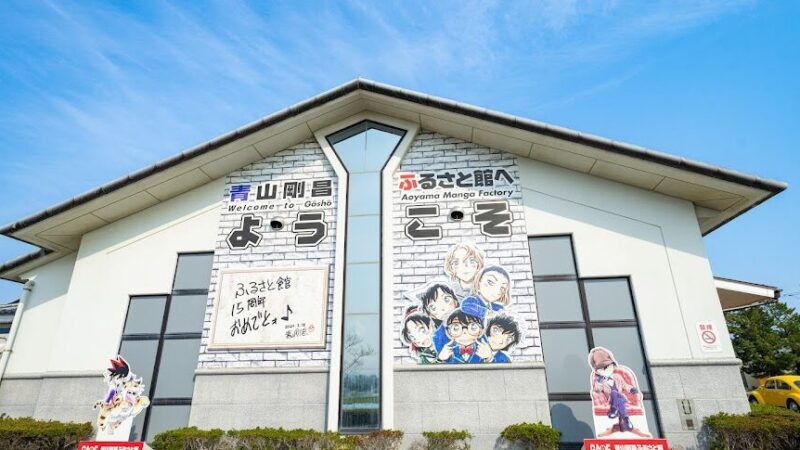
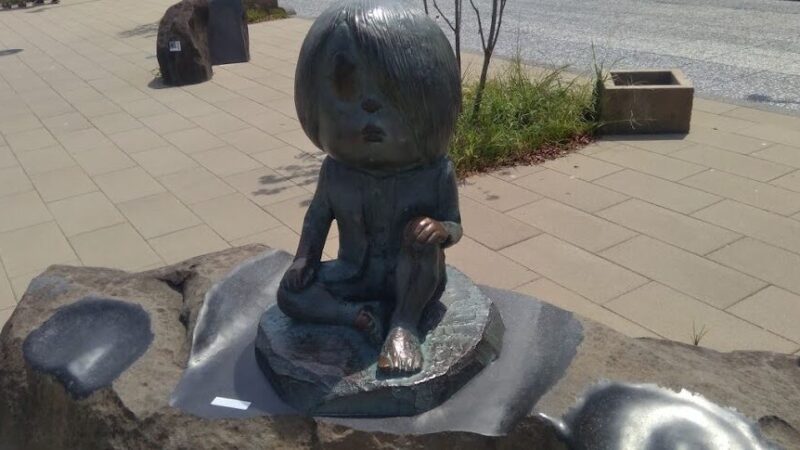
Tottori Prefecture, as “Manga Kingdom Tottori,” is actively engaged in regional revitalization using manga artists from the prefecture and their works. Along with Shigeru Mizuki of “GeGeGe no Kitaro” and Gosho Aoyama of “Detective Conan,” Hiroyuki Etoh is positioned as one of the representative manga artists of Tottori Prefecture.
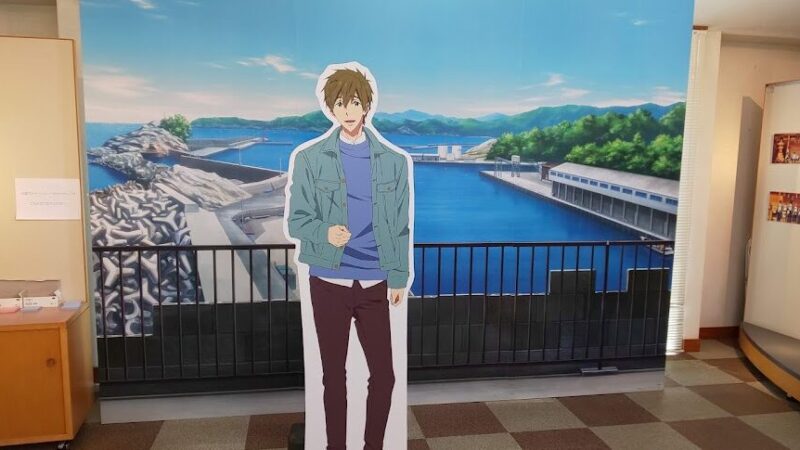
Throughout the prefecture, monuments and museums utilizing manga and anime characters have been installed and utilized as tourism resources. “Magical Circle Guru Guru” contributes to regional revitalization in various forms as part of these initiatives.
Tottori Sand Dunes and the Guru Guru World View
The Tottori Sand Dunes, a representative tourist destination of Tottori Prefecture, have high affinity with the world view of “Magical Circle Guru Guru.” Desert scenes and depictions of vast nature appearing in the work evoke the magnificent scenery of the Tottori Sand Dunes.
Fans who have actually visited the Tottori Sand Dunes often say things like, “It feels like stepping into the Guru Guru world.” The undulating terrain of the sand dunes and the spectacular views overlooking the Sea of Japan have sufficient appeal to serve as a stage for fantasy works.
Use in Regional Events
Within Tottori Prefecture, events and exhibitions themed around “Magical Circle Guru Guru” are occasionally held. Special display corners for Hiroyuki Etoh’s works are often set up in bookstores and libraries throughout the prefecture, and he is cherished as a local manga artist.
Additionally, there are manga and anime-related shops in Tottori City, and some stores carry “Magical Circle Guru Guru” merchandise. For both local fans and tourists visiting from outside the prefecture, visiting places related to the work has become a source of enjoyment.
Holy Site Pilgrimage Guide
Yonago City and Surrounding Areas
The Yonago City area where Hiroyuki Etoh grew up can be considered a holy site for fans. Located in the western part of Tottori Prefecture, Yonago is a commercial city with a scenic view of Mount Daisen.
Within Yonago City, there are schools the author attended and areas where he spent his childhood. While not directly the setting of the work, devoted fans sometimes visit these places to feel the author’s roots.
Tottori Prefectural Library
The Tottori Prefectural Library located in Tottori City holds a rich collection of works by manga artists from the prefecture. Single volumes of “Magical Circle Guru Guru” are available for viewing, as are other works by Hiroyuki Etoh.
The library regularly hosts special exhibitions related to manga, making it an important spot for understanding Tottori Prefecture’s manga culture. Since it is free to use, anyone can easily visit.
Warabe-kan
“Warabe-kan” in Tottori City is a museum of children’s songs and toys, but it occasionally hosts special exhibitions related to manga and anime. As a facility that comprehensively introduces Tottori Prefecture’s culture, it is worth visiting.
Tottori Sand Dunes Conan Airport
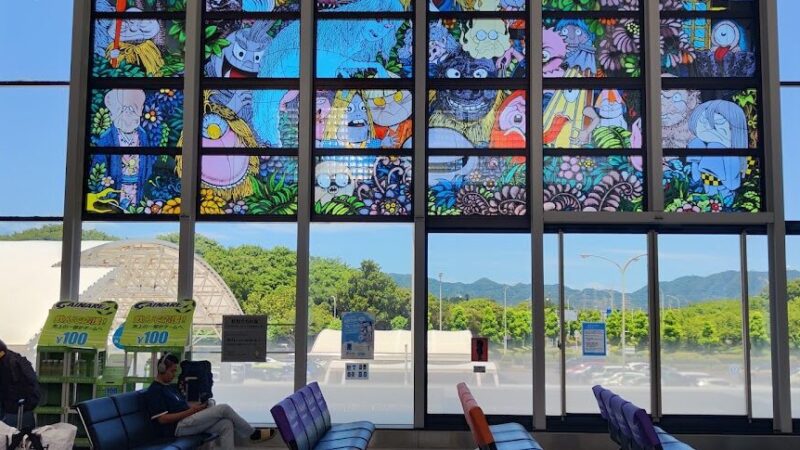
Tottori Airport is affectionately known as “Tottori Sand Dunes Conan Airport” and is recognized as an airport utilizing works by manga artists from the prefecture. The airport features manga-related exhibitions and merchandise shops, allowing visitors to experience Tottori Prefecture’s aspect as a “Manga Kingdom.”
Magic and Tottori Culture Appearing in the Work
The Uniqueness of Guru Guru Magic
The “Guru Guru” magic, which forms the core of “Magical Circle Guru Guru,” is a unique magic system activated by drawing circles. The act of drawing these magic circles has connections to traditional Japanese sorcery and folk beliefs.
Tottori Prefecture has many folk beliefs and traditional events passed down from ancient times, and it has been pointed out that these regional cultural backgrounds may have influenced the work’s magic system.
Kita Kita Dance and Regional Festivals
The impressive “Kita Kita Dance” in the work is a unique setting where humorous movements activate magic. This dance-like element may incorporate elements from traditional dances and festivals found throughout Japan.
Various traditional festivals are held within Tottori Prefecture, and it is possible that culturally rooted traditions have been transformed as comedic elements in the work.
Spin-off Works and Tottori Prefecture
Magical Circle Guru Guru 2
“Magical Circle Guru Guru 2,” a sequel to “Magical Circle Guru Guru,” was serialized from 2012 to 2017. In this work as well, the world view inherited from the early work and Hiroyuki Etoh’s unique sense of humor remain intact.
In the sequel as well, the author’s experiences and sensibilities from Tottori are reflected in the work, maintaining a consistent style.
Dance Brave Legend Kita Kita
“Dance Brave Legend Kita Kita” is a spin-off work of “Magical Circle Guru Guru” featuring Kita Kita old man as the protagonist. The development of such spin-off works supports the popularity of the series.
Television Anime and Response in Tottori Prefecture
History of Anime Adaptation
“Magical Circle Guru Guru” has been adapted into television anime three times: the first work in 1994, the second in 2000, and the third in 2017, continuing to be loved across generations.
The 2017 anime version in particular received high praise from both old and new fans, expressing the appeal of the original through modern visual technology. Japan Animation handled the production and faithfully recreated the world view of the original work.
Anime Broadcasting in Tottori Prefecture
The television anime was also broadcast within Tottori Prefecture and received special attention as a work by a local manga artist. It was covered by local media and recognized as a source of pride for prefecture residents.
During the anime broadcast period, increases in original manga sales were seen at bookstores throughout the prefecture, showing positive effects on the local economy.
Anime Films and Theater Release
In 1996, the theatrical anime “Movie Version Magical Circle Guru Guru” was released. Distributed by Shochiku, it was shown in movie theaters nationwide, delivering new emotion to fans.
It was also shown in movie theaters throughout Tottori Prefecture, and the fact that a work by a local manga artist could be seen on the big screen became a major topic of interest.
Tottori Prefecture’s Manga Culture and the Position of Magical Circle Guru Guru
Tottori as a Manga Kingdom
Tottori Prefecture promotes itself as “Manga Kingdom Tottori” and actively works on regional revitalization utilizing manga. Centered around three great manga artists—Shigeru Mizuki, Gosho Aoyama, and Hiroyuki Etoh—the entire prefecture works to promote manga culture.
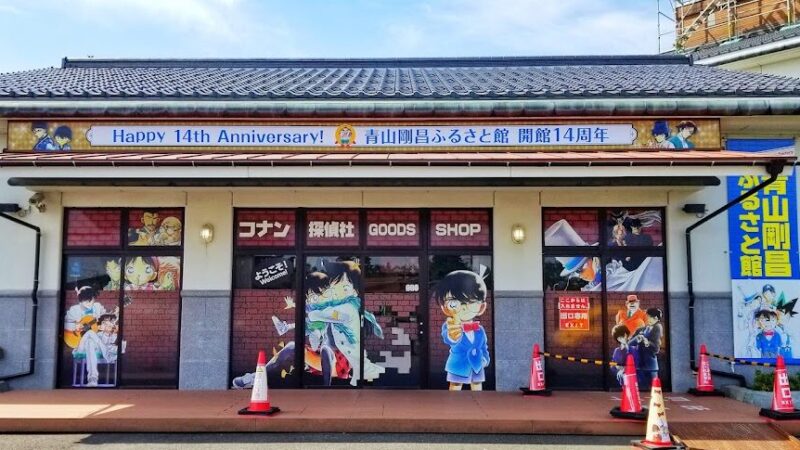
Within the prefecture are facilities such as the “Gosho Aoyama Hometown Museum” and the “Shigeru Mizuki Memorial Museum,” which attract many tourists throughout the year. “Magical Circle Guru Guru” plays an important role in Tottori Prefecture’s manga culture.
Contribution to Local Economy
Using manga and anime for tourism promotion has become an important economic strategy for Tottori Prefecture. When fans of “Magical Circle Guru Guru” visit Tottori Prefecture, it brings economic benefits to various fields including accommodation, dining, and transportation.
In particular, manga and anime content are powerful tools for attracting young tourists, and “Magical Circle Guru Guru” plays a role in this regard.
Fan Communities and Tottori Prefecture
Online Communities
Fans of “Magical Circle Guru Guru” form active communities online. On social media and fan sites, not only is information about the work exchanged, but reports of holy site pilgrimages are also shared.
As fans who have visited Tottori Prefecture share photos of the author’s hometown scenery and atmosphere, interest in Tottori Prefecture spreads to other fans as well.
Expansion of Holy Site Pilgrimage
In recent years, “holy site pilgrimage,” visiting places that serve as the setting for anime and manga, has become common. In the case of “Magical Circle Guru Guru,” while there is no direct stage setting, visiting Tottori Prefecture, the author’s hometown, allows one to feel the culture and environment underlying the work.
This form of pilgrimage not only deepens understanding of the work but also creates affection for the region.
Goods and Collections
Tottori Limited Goods
From time to time, “Magical Circle Guru Guru” related limited goods are sold within Tottori Prefecture. Region-limited merchandise becomes precious items for collectors.
At the Tottori Sand Dunes Conan Airport and major tourist facilities, shops carrying works by manga artists from Tottori are available, where one can also find merchandise related to “Magical Circle Guru Guru.”
Collector’s Items
“Magical Circle Guru Guru” is a work with a long history, and various collector’s items exist, including early single volumes, “Monthly Shonen Gangan” from serialization periods, and anime-related merchandise.
In used bookstores throughout Tottori Prefecture, rare items are sometimes discovered, offering fans the fun of treasure hunting.
Future Development and Tottori Prefecture
Series Continuation
The “Magical Circle Guru Guru” series continues to develop, including the latest works. Square Enix has released new editions and e-book versions, allowing the work to reach new generations of readers.
In the future, anime reruns and new media mix developments are anticipated, and with them, attention to Tottori Prefecture may also increase.
Expectations for Regional Revitalization
Tottori Prefecture plans to continue regional revitalization as “Manga Kingdom Tottori,” utilizing manga culture. “Magical Circle Guru Guru” is positioned as one of its important contents.
In the future, the establishment of permanent exhibition facilities related to the work and the hosting of large-scale events are also anticipated.
Getting to Know Tottori Prefecture Through Magical Circle Guru Guru
Starting Tottori Understanding from Work Appreciation
Reading “Magical Circle Guru Guru” serves indirectly as an opportunity to learn about Tottori Prefecture’s culture and environment. The pastoral scenery depicted in the work and the naive character of the protagonists overlap with the charm of Tottori Prefecture.
After enjoying the work and visiting Tottori Prefecture, understanding of the work deepens further, and at the same time, familiarity with the region increases.
Fusion of Tourism and Work Experience
When visiting Tottori Prefecture, being aware that it is the hometown of “Magical Circle Guru Guru’s” author allows for a special experience different from ordinary tourism.
By imagining the adventure scenes of the work while viewing the magnificent scenery of the Tottori Sand Dunes, or picking up single volumes at local bookstores, one can realize the connection between the work and the region.
Conclusion
The relationship between “Magical Circle Guru Guru” and Tottori Prefecture begins with the fact that author Hiroyuki Etoh is from Tottori Prefecture. The work reflects the environment and culture of Tottori where the author grew up, and Tottori Prefecture holds special meaning for fans.
As “Manga Kingdom Tottori,” Tottori Prefecture utilizes works by manga artists from the prefecture, including “Magical Circle Guru Guru,” for regional revitalization. Through holy site pilgrimages and tourism, mutual interaction between the work and the region occurs, bringing positive effects for both.
“Magical Circle Guru Guru” has been loved by many fans for over 30 years since its serialization began in 1992, and continues to be enjoyed across generations through various media including television anime, anime films, and spin-off works.
By becoming interested in Tottori Prefecture through this work and actually visiting, you can experience the power of manga and anime to connect regions and people. At the place where the fantasy world of “Magical Circle Guru Guru” and the real region of Tottori Prefecture intersect, wonderful discoveries and emotions await you.
When visiting Tottori Prefecture, please remember that it is the hometown of “Magical Circle Guru Guru’s” author and try to feel the culture and environment underlying the work. That journey will surely be a wonderful opportunity to gain deeper understanding of the work while discovering the charm of Tottori Prefecture.