What is “Yuru Camp”?
“Yuru Camp” is a manga work by Afro that has been serialized in “Manga Time Kira Forward” since 2015. It is a popular outdoor manga depicting the relaxed camping and daily lives of high school girls living in Yamanashi Prefecture, supported by a wide fan base.
The greatest appeal of the work is the careful depiction of the main characters’ camping knowledge and the beautiful nature of Yamanashi Prefecture. The original author Afro actually conducted research in Yamanashi Prefecture and faithfully incorporated real locations into the work. As a result, the landscapes and camping sites featured in the story can actually be visited, and many fans have come to Yamanashi Prefecture for pilgrimage tourism.
When the TV anime Season 1 aired in 2018, its popularity exploded, followed by Season 2 in 2021 and SEASON 3 in 2024. Through animation, the work became the catalyst for the camping boom and has greatly contributed to tourism promotion in Yamanashi Prefecture.
The work features unique characters centered on Shima Rin, who loves solo camping, and Kagamihara Nadeshiko, who belongs to the outdoor activity club (Noadokuru). The camping sites and tourist spots they visit are real locations in Yamanashi Prefecture, with many places offering spectacular views of Mount Fuji.
Highlights of SEASON 3
In “Yuru Camp SEASON 3” broadcast from April 2024, the main characters become third-year high school students, and many new camping locations and attractive spots in Yamanashi Prefecture have appeared. In SEASON 3, more model locations throughout Yamanashi Prefecture are depicted, with a wider range of areas serving as the setting, including Hokuto City, Nirasaki City, and Koshu City.
The characteristics of SEASON 3 are the growth of characters and the portrayal of more genuine outdoor experiences. In addition to winter camping scenes, camping scenes from spring through summer also appear, expressing the beauty of Yamanashi Prefecture’s nature throughout the four seasons.
Particularly noteworthy are the numerous spectacular spots with views of Mount Fuji. Not only the Fuji Five Lakes area including Lake Motosuko, Lake Shoji, and Lake Kawaguchi, but also diverse natural environments of Yamanashi Prefecture such as the Southern Alps and Yatsugatake areas are depicted carefully. Additionally, local cuisine and hot spring facilities also appear, proposing enjoyable ways to combine camping with sightseeing.
In SEASON 3, the characters’ career paths and futures are also touched upon, adding depth to the story. The way characters grow through camping resonates with many viewers and further increases the popularity of the work.
Introduction to Yamanashi Prefecture Model Sites
The Yamanashi Prefecture model sites featured in the “Yuru Camp” series are spread throughout the prefecture. Yamanashi Prefecture’s official tourism website “Fuji no Kuni Yamanashi Tourism Net” has opened a special webpage introducing model sites from all series in detail.
Yamanashi Prefecture is located on the north side of Mount Fuji and is blessed with abundant natural resources including the Fuji Five Lakes, the Southern Alps, and the Yatsugatake mountains. The large elevation difference allows visitors to enjoy different landscapes depending on the area, which is a characteristic feature. In the work, these diverse natural environments of Yamanashi Prefecture are effectively utilized, with each camping site depicting different attractions.
Model sites are broadly classified into four areas. The northern Hokuto and Nirasaki area, the central Kofu Basin area, the southwestern Minobu and Fujikawa area, and the southeastern Fuji Five Lakes area. Each area has its own characteristics, and when planning pilgrimage tourism, it is efficient to visit each area.
Area 1 (Hokuto City, Nirasaki City, Minami-Alps City, Kai City)
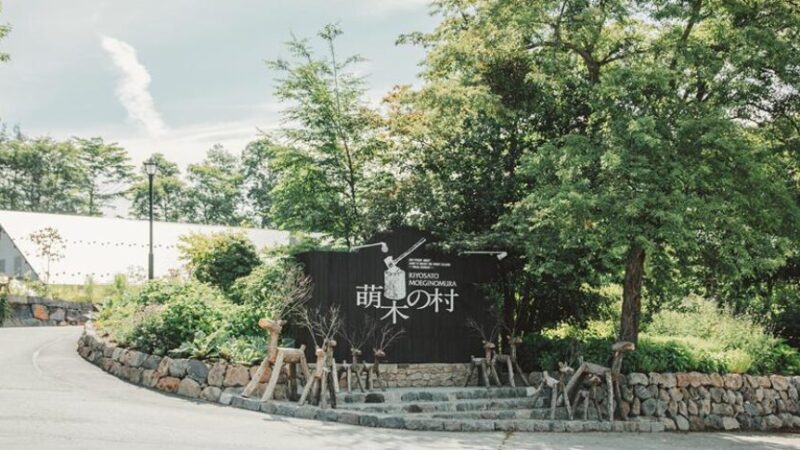
Hokuto City is located at the southern foot of the Yatsugatake mountains and is characterized by its high altitude and cool climate. In the work, many camping sites and tourist spots visited by the Noadokuru members appear. In particular, the Kiyosato Highland and Kobuchisawa areas have well-equipped tourist facilities such as ranches and art museums, allowing visitors to combine camping and sightseeing.
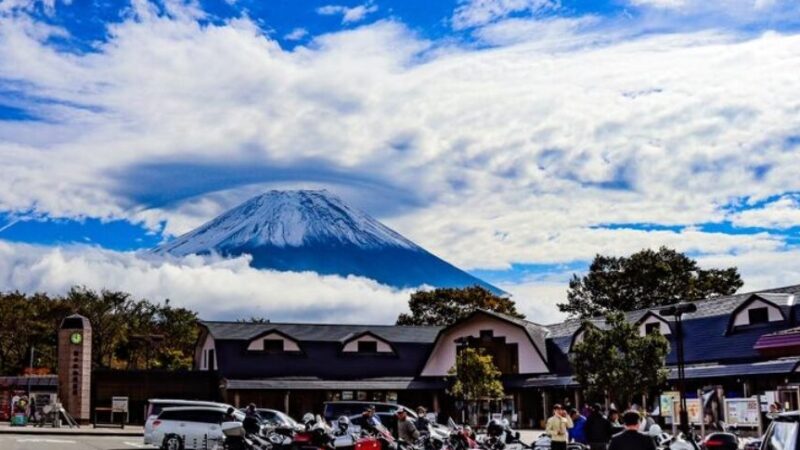
Nirasaki City is a natural and rich region surrounded by the Southern Alps and Yatsugatake mountains. In “Yuru Camp,” roadside stations and tourist facilities in Nirasaki City appear, introducing local specialties and gourmet food. Nirasaki City Tourism Association distributes a “Yuru Camp Yamanashi Prefecture Model Site Map,” supporting pilgrimage tourism.
Minami-Alps City is a region spreading at the foot of the Southern Alps as its name suggests, where fruit cultivation is flourishing. In the work, fruit picking and agricultural product direct sales shops appear, depicting the richness of Yamanashi Prefecture’s agriculture. Spring offers peach blossoms, and autumn offers grapes and persimmons, with seasonal charm.
Kai City is located in the northwestern part of the Kofu Basin and is an area with beautiful views of Mount Fuji. The city has hot spring facilities and parks, appearing in the work as stops before and after camping. In particular, observation spots overlooking Mount Fuji are ideal for photography.
Area 2 (Yamashi City, Koshu City, Fuefuki City)
Yamashi City is located in the upper reaches of the Fuefuki River and is known as a hot spring resort area. In the work, hot spring facilities and orchards appear, depicted as relaxation spots after camping. In particular, Hottarakashi Hot Spring is a popular scenic hot spring offering panoramic views of Mount Fuji and the Kofu Basin.
Koshu City is famous as a grape and wine producing area, with wineries scattered throughout the Katsunuma area. In “Yuru Camp,” shops handling local cuisine and specialty products appear, introducing Yamanashi Prefecture’s food culture. Additionally, climbing spots such as Daishibosatsu Peak are nearby, making it an ideal base for outdoor activities.
Fuefuki City boasts Japan’s highest production of peaches and grapes, earning its title as the Kingdom of Fruits. In the work, fruit parks and direct sales shops appear, with scenes depicting the enjoyment of seasonal fruits. Spring peach blossom viewing is particularly beautiful, with the pink-tinted scenery being spectacular.
This area is located in the central part of the Kofu Basin with good transportation access. Access is convenient from Katsunuma IC and Ichinomiya-Misaka IC on the Chuo Expressway, making day trips from the Tokyo metropolitan area possible.
Area 3 (Fujikawa Town, Minobu Town, Nanbu Town)
Minobu Town is one of the most important places as a pilgrimage site for “Yuru Camp.” “Kouan Campground” on the shore of Lake Motosuko is where Rin and Nadeshiko meet in the first episode of the work, making it an essential destination for fans. Mount Fuji viewed from Lake Motosuko is known as the “thousand-yen note Mount Fuji,” where visitors can enjoy the spectacular scenery of inverted Mount Fuji.
“Motosuko Central Lodge,” the administrative office of Kouan Campground, appears in the work, offering rental of camping equipment and sales of food materials. Camping on the lakeside allows visitors to enjoy nature in a quiet environment, making it ideal for solo camping.
Minobu Town also has Lake Shio-Ren. Although not one of the Fuji Five Lakes, it is counted as one of the Fuji Eight Seas—a small mountain lake positioned at an elevation of 850 meters. In the work, it appears as the place where Nadeshiko and Rin enjoy grilled meat camping, with its quiet and mystical atmosphere being its charm. A mountain lodge on the lakeside offers accommodation and camping.
Fujikawa Town is a region spreading across the Fujikawa River basin with well-equipped roadside stations and hot spring facilities. In the work, it appears as a rest stop during travel, with scenes depicting the enjoyment of local specialties and light meals.
Nanbu Town is located at the uppermost reaches of the Fujikawa River in a natural and mountainous area. It is also known as a production area for Nanbu tea, with local cuisine introduced in the work. This area is close to the Shizuoka Prefecture border, making it a convenient base for travel toward the Shizuoka direction.
Area 4 (Fujikawaguchiko Town)
Fujikawaguchiko Town is the area among the Fuji Five Lakes where tourism development has progressed the most. It has four lakes: Lake Kawaguchi, Lake Saiko, Lake Shoji, and Lake Motosuko, with numerous spots to enjoy spectacular views of Mount Fuji. In “Yuru Camp,” camping sites and tourist facilities around each lake frequently appear.
Lake Kawaguchi is the lowest elevation among the Fuji Five Lakes, with surrounding areas rich in tourist facilities including museums, sightseeing boats, and ropeway facilities. In the work, Lake Kawaguchi Bridge and lakeside parks appear with beautiful scenery of Mount Fuji in the background. The lakeside in early morning where inverted Mount Fuji can be seen is particularly a famous photography spot.
Lake Saiko is the quietest lake among the Fuji Five Lakes with remaining natural environment. In the work, a campground on the shore of Lake Saiko appears, depicting camping in a quiet environment. Around Lake Saiko, there are also natural attractions such as Aokigahara Forest, ice caves, and wind caves, allowing visitors to experience an exploration-like atmosphere.
Lake Shoji is the smallest lake among the Fuji Five Lakes, but is known for its beautiful views of Mount Fuji. In the work, the scenery of Mount Fuji from Lake Shoji’s shore appears, with its beauty emphasized. There are small-scale campgrounds on the lakeside, making them ideal for those who want to enjoy quiet camping.
Fujikawaguchiko Town is also well-equipped with day-use hot spring facilities such as “Fuji Chobo no Yu Yurari.” Hot spring facilities appear in the work as spots to relieve fatigue after camping. Bathing while overlooking Mount Fuji is an extraordinary experience. The facility has 16 types of baths and includes a restaurant serving meals using local Yamanashi ingredients.
Yamanashi Prefecture-wide Model Sites Map
Yamanashi Prefecture’s official tourism website “Fuji no Kuni Yamanashi Tourism Net” publishes a comprehensive Yamanashi Prefecture model sites map for the “Yuru Camp” series. This map compiles model sites and spots featured in all series from SEASON 1 through SEASON 3, serving as an essential tool for pilgrimage tourism.
The map is color-coded by area, allowing visitors to understand the positional relationships of each spot at a glance. Additionally, each spot includes notes about scenes from the work and episode numbers, packed with information that fans will appreciate.
The digital version of the map is accessible on smartphones and tablets, with GPS features allowing users to confirm distances and directions from their current location. Links to detailed information about each spot are also provided, allowing access to practical information such as business hours and access methods.
Paper versions of the map are distributed free at tourism information centers, roadside stations, and some campgrounds throughout Yamanashi Prefecture. Various municipalities’ tourism associations, including Nirasaki City Tourism Association, also distribute the map, with copies available at various locations when visiting multiple areas.
The map includes not only model sites but also information about surrounding tourist attractions and gourmet options. Nearby hot spring facilities, direct sales shops handling local specialty products, and recommended restaurants are all introduced, proving helpful for planning trips combining pilgrimage tourism with sightseeing.
Additionally, the map includes recommended spots for each season. Information is packed with ways to enjoy Yamanashi Prefecture’s charms throughout the year: spring peach blossoms, summer fresh greenery, autumn foliage, and winter snow scenery.
Points for Pilgrimage Tourism and Access Information
When planning a pilgrimage tour of “Yuru Camp,” keeping several points in mind will make for a more fulfilling trip.
First, the choice of transportation is important. Since model sites in Yamanashi Prefecture are spread across a wide area, automobile transportation is most convenient. Using a rental car allows you to freely visit each spot. Access is possible within approximately two hours from Tokyo using the Chuo Expressway.
When using public transportation, take advantage of the JR Chuo Main Line and buses. However, some spots such as campgrounds may be difficult to access via public transportation, so it’s important to confirm transportation methods in advance. The Fuji Kyuko Line is convenient for accessing the Fuji Five Lakes area.
For accommodation, staying at a campground is recommended, though using hotels or inns is also good for beginners or during winter. Yamanashi Prefecture has plenty of hot spring inns and business hotels available, allowing you to choose based on budget and purpose.
When using campgrounds, advance reservation is essential. Particularly at popular spots like Kouan Campground, weekend and holiday reservations fill quickly. Additionally, many facilities offer camping equipment rental services, making it easy for beginners to enjoy camping.
Photography etiquette is important. Most model sites are actual operating facilities or private property. When photographing, be considerate of other visitors and follow facility rules. In particular, at campgrounds, respecting other campers’ privacy is crucial.
Season selection is also an important consideration. The work features many winter camping scenes, but spring and autumn are recommended for beginners. Summer makes high-altitude areas cool and comfortable, though the Fuji Five Lakes area becomes crowded with tourists. Winter requires cold weather protection, but the air is clear and Mount Fuji appears more beautiful.
Related Events
In Yamanashi Prefecture, events related to “Yuru Camp” are held regularly. These events gather fans of the work and feature activities to make pilgrimage tourism more enjoyable.
Stamp rallies are sometimes held to coincide with anime broadcast periods. Collecting stamps by visiting major model sites throughout the prefecture offers benefits such as limited merchandise. Stamp rallies increase motivation for pilgrimage tourism and serve as an opportunity to visit each spot systematically.
Additionally, local tourist facilities and shopping districts sometimes sell “Yuru Camp” collaboration products and limited-edition menus. Character-designed souvenirs and recreated dishes from the work offer projects that fans will appreciate.
Campgrounds sometimes hold event camping themed around “Yuru Camp.” Opportunities to recreate camping scenes from the work or interact with fellow fans allow deeper experience of the work’s worldview.
Yamanashi Prefecture and each municipality’s tourism associations actively promote tourism using “Yuru Camp.” Latest event information is distributed through official websites and social media, so checking before visiting is recommended.
In particular, a special webpage was renovated in conjunction with SEASON 3’s broadcast. Information about newly featured model sites and details about surrounding tourist attractions have been added, enabling more fulfilling pilgrimage tourism.
Yamanashi Prefecture Gourmet and Souvenirs
One of the charms of “Yuru Camp” is the delicious-looking dishes featured in the work. Yamanashi Prefecture has numerous gourmet items and specialty products featured in the work.
Houtou is a representative regional dish of Yamanashi Prefecture. Thick, flat noodles are cooked in miso-based soup with vegetables, with scenes of characters eating this dish appearing in the work. It’s particularly delicious during cold seasons, warming the body.
Yoshida udon is a specialty of Fujiyoshida City, characterized by thick noodles with strong chewiness. In the work, a local udon shop appears with its volume and deliciousness depicted. Cabbage and horse meat topping is the traditional style.
Fruit is a representative specialty product of Yamanashi Prefecture. Peaches, grapes, cherries, and various fruits can be enjoyed seasonally. The work includes fruit-picking and direct sales shop purchasing scenes, introducing the richness of Yamanashi Prefecture’s fruit cultivation.
Wine is also a specialty product of Yamanashi Prefecture, with Koshu wine internationally recognized. Scenes of adult characters enjoying wine appear in the work, depicting Yamanashi Prefecture’s wine culture.
Famous souvenirs include Shinsen mochi. A Japanese confection eaten with soybean powder and black molasses, it’s a representative sweet of Yamanashi Prefecture. Houtou dried noodles, local wine, and products made from fruit such as jam and juice are also popular.
“Yuru Camp”-related merchandise is also popular as souvenirs. Numerous character goods and local products collaborating with the work are sold, serving as memorable items for fans.
See Other Features
Yamanashi Prefecture’s official tourism website “Fuji no Kuni Yamanashi Tourism Net” provides various other feature pages besides “Yuru Camp.” Scenic spots around Mount Fuji, hot spring features, gourmet features, and seasonal event information introduce Yamanashi Prefecture’s attractions from multiple perspectives.
Tourism information around Mount Fuji is particularly comprehensive, with detailed introductions of climbing information, view spots, and surrounding tourist facilities. Mount Fuji, a symbol of Yamanashi Prefecture, is depicted as an important background in “Yuru Camp.”
The hot spring feature introduces day-use hot spring facilities and hot spring inns throughout the prefecture. Information is valuable when planning trips combining camping with hot springs.
The gourmet feature introduces dining establishments ranging from regional dishes such as houtou and Yoshida udon to French and Italian cuisine. Many shops utilize local ingredients and are listed.
The seasonal event feature introduces events throughout the year such as peach blossom festivals, grape festivals, and autumn foliage festivals. Combining pilgrimage tourism with seasonal events is also recommended.
Additionally, Yamanashi Prefecture has served as the setting for various other anime and films. Those interested in anime tourism might also visit pilgrimage sites for other works.
Link Collection
Here is a compilation of links helpful for pilgrimage tourism of “Yuru Camp” and Yamanashi Prefecture sightseeing.
Official Information
- Fuji no Kuni Yamanashi Tourism Net (Yamanashi Prefecture Official Tourism Site): The “Yuru Camp” special page features complete series model site maps and detailed information.
- Nirasaki City Tourism Association: Information about the distribution of Yamanashi Prefecture-wide model sites map and tourism information for the Hokuto/Nirasaki area can be obtained.
- Fujikawaguchiko Town Tourism Association: Comprehensive tourism information and campground information for the Fuji Five Lakes area.
- Minobu Town Tourism Association: Information about important pilgrimage sites such as Kouan Campground and Lake Shio-Ren is posted.
Campground Information
- Kouan Campground (Motosuko Central Lodge): The sacred site featured in the work’s first episode. Reservation methods and fee information can be confirmed.
- Fuji Chobo no Yu Yurari: A day-use hot spring facility ideal for post-camping use. Operating hours and fee information are listed.
Transportation Information
- JR East: Central Main Line schedules and fare information can be confirmed.
- Fuji Kyuko: Information about this private railway convenient for accessing the Fuji Five Lakes area is available.
- Yamanashi Transportation: Information about intercity bus routes throughout the prefecture is posted.
Use these links to plan a fulfilling pilgrimage tourism trip.
Conclusion
Yamanashi Prefecture, the setting for “Yuru Camp,” is a region with the charm of Mount Fuji’s spectacular scenery, abundant nature, delicious gourmet food, and warm people. By learning about Yamanashi Prefecture’s charm through the work and actually visiting, you can not only experience the anime’s world but also discover the true appeal of Yamanashi Prefecture.
Pilgrimage tourism is not merely visiting the settings of a work but rather enjoying a trip involving the culture, nature, and encounters with people in that place. The attitude of the characters in “Yuru Camp,” enjoying nature and camping in a relaxed but heartfelt manner, enriches the Yamanashi Prefecture journey.
Through all series up to SEASON 3, various charms of Yamanashi Prefecture have been depicted. From the Yatsugatake area in the north to the Fuji Five Lakes area in the south, each location offers different scenery and experiences. While it may be difficult to visit all sites in a single trip, Yamanashi Prefecture has charms that make you want to return repeatedly.
For camping beginners, why not take this opportunity provided by “Yuru Camp” to try outdoor activities? Many campgrounds in Yamanashi Prefecture have beginner-friendly facilities, allowing comfortable camping enjoyment. Using the camping knowledge depicted in the work as reference, discover your own camping style.
Yamanashi Prefecture is a precious place where, despite being within day-trip distance from Tokyo, you can experience abundant nature and tranquility. Through “Yuru Camp” pilgrimage tourism, spend special time away from daily life and refresh both mind and body.
Yamanashi Prefecture’s beauty changes with the seasons: spring’s peach blossoms, summer’s fresh greenery, autumn foliage, and winter’s snow scenery with Mount Fuji. Visiting repeatedly across seasons deepens your understanding of the work and increases your affection for Yamanashi Prefecture.
The relaxed flow of time and peaceful daily life amid nature depicted in “Yuru Camp” offer solace to those of us living busy modern lives. The experience of visiting Yamanashi Prefecture’s pilgrimage sites, immersing yourself in the work’s world, and having time to face yourself will certainly be invaluable.
Now, set out on a relaxed journey to Yamanashi Prefecture, the pilgrimage site of “Yuru Camp.”