What is “Yuru Camp △”? The Charm of a Popular Anime Set in Yamanashi
“Yuru Camp △” is a manga work by Afro, serialized in “Manga Time Kirara Forward” since 2015. It is an outdoor-themed manga that depicts the daily lives of high school girls enjoying camping and outdoor experiences, centered in Minobu Town, Yamanashi Prefecture, and throughout the entire Yamanashi Prefecture. As a popular work, it has captivated many fans.
The original author, Afro, has actually conducted interviews at various locations throughout Yamanashi Prefecture and carefully incorporated camping knowledge and real landscapes into the work. As a result, many of the landscapes and facilities featured in the anime are real, making them topics of pilgrimage tourism.
The anime series has broadcast SEASON1 (2018), SEASON2 (2021), and SEASON3 (2024), and a theatrical film has also been released, with its popularity continuing to expand. The charm of Yamanashi—its beautiful natural scenery, spectacular views of Mount Fuji, hot springs, and gourmet food—are being communicated nationwide through the work, and the number of tourists actually visiting Yamanashi Prefecture is increasing.
Highlights of SEASON3 and New Sacred Sites
In SEASON3, which aired in 2024, many new areas and spots in Yamanashi Prefecture that were not depicted in previous series made their appearance. Along with the growth of the protagonists, their range of action has expanded, depicting the diverse charm of Yamanashi in greater detail.
In SEASON3, particularly the northwestern areas such as Hokuto City and Nirasaki City, and the eastern areas such as Koshu City and Yamanashi City newly become the stage. In addition to the areas centered on Minobu Town and Fujikawaguchiko Town from before, the entire Yamanashi Prefecture is now depicted in greater detail.
New campsites, hot spring facilities, and gourmet spots have increased, further expanding the enjoyment of pilgrimage tourism. A special page corresponding to SEASON3 has been published on the official Yamanashi Prefecture tourism site, with model location maps being updated regularly, showing active efforts on a prefectural level.
How to Use the Yamanashi Prefecture-Wide Model Location Map
The official Yamanashi tourism site “Fuji no Kuni Yamanashi Tourism Net” has published a Yamanashi Prefecture-wide model location map for the “Yuru Camp △” series. This map classifies anime-featured spots by area and provides a comprehensive content encompassing detailed information about each spot, access methods, and surrounding tourism information.
The map is divided into four main areas, with distinctive spots introduced for each area. Since it is viewable on smartphones, you can check it in real-time while moving during actual pilgrimage tourism.
Additionally, each spot includes comparison photos with anime scenes and episode information, allowing you to enjoy the pilgrimage while looking back on the work. The official page is updated regularly, with new spots featured in new SEASONS being added as needed.
Area 1: Sacred Sites in Hokuto City, Nirasaki City, Minami Alp City, and Kai City
This area, located in the northwestern part of Yamanashi Prefecture, is surrounded by the majestic natural beauty of the Yatsugatake Mountains and the Southern Japanese Alps. With many spots newly appearing in SEASON3, it has become a notable area.
Main Spots in Hokuto City
Hokuto City is a nature-rich area spread at the foot of the Yatsugatake Mountains with many campsites and hot spring facilities. In the work, it appears as a campsite visited by the protagonists, with scenes of stargazing depicted impressively.
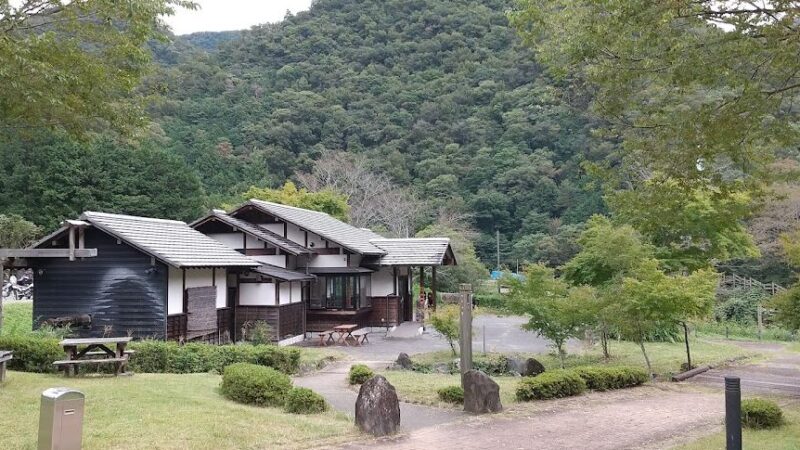
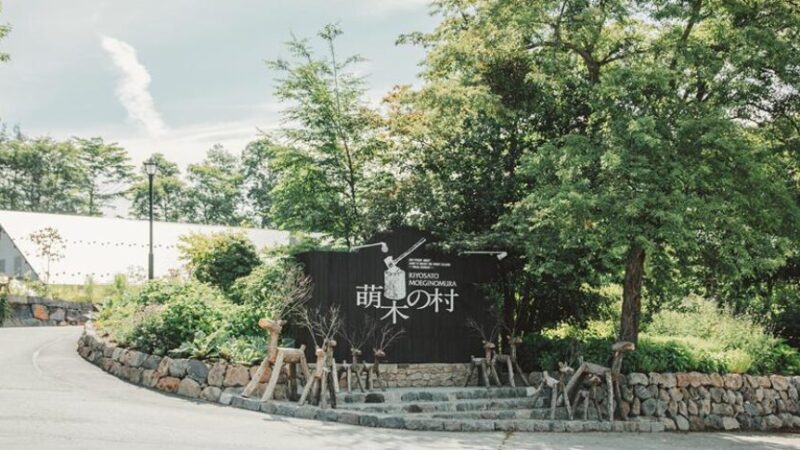
Around Kiyosato Kogen and Kobuchisawa, facilities that served as models for campsites appearing in the work are scattered, where you can enjoy the same scenery. Local gourmet spots and roadside stations also appear in the work, allowing for pilgrimages combined with meal breaks.
Spots in Nirasaki City and Minami Alp City
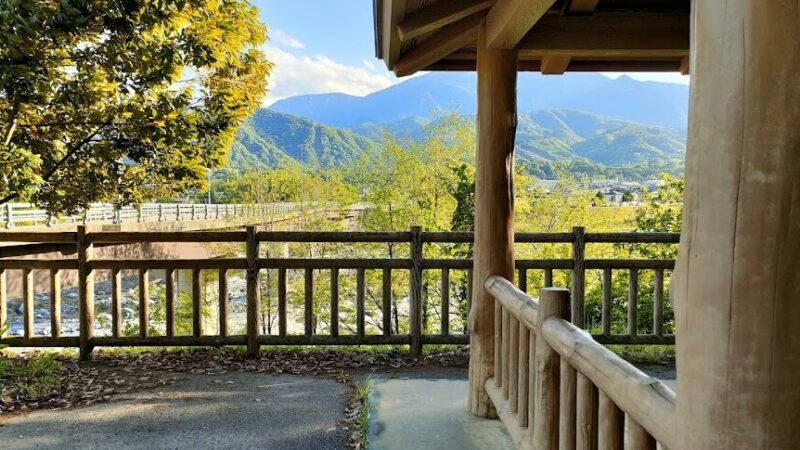
Nirasaki City is an area with many spectacular viewpoints where both Mount Fuji and the Southern Japanese Alps can be seen. In the work, views from observation decks and local shopping streets are depicted. In Minami Alp City, hot spring facilities and fruit orchards appear, where you can enjoy Yamanashi-like scenery.
Area 2: Sacred Sites in Yamanashi City, Koshu City, and Usui City
This area, located in the eastern part of Yamanashi Prefecture, is a region where grape and peach cultivation thrives, with beautiful scenery spreading throughout the four seasons.
Hot Springs and Scenic Areas in Yamanashi City
Yamanashi City has spots that served as models for hot spring facilities appearing in the work. The scenery around famous hot spring facilities such as Hottarakashi Onsen appears in the work, where you can actually enjoy hot springs while viewing the same scenery.
The scenery along the Fuefuki River and drive scenes along the Fruit Line are also depicted impressively, showing different faces with each season—peach blossoms in spring and autumn foliage of vineyards in fall.
Wineries and Historical Sites in Koshu City
Koshu City is known as one of Japan’s leading wine-producing regions, with vineyard landscapes and wineries appearing in the work. Historic townscapes and historical sites related to Takeda Shingen are also depicted, offering an area to enjoy along with sightseeing.
Fruit Orchards and Hot Spring District in Usui City
Usui City is known as the “Birthplace of Japan’s Best Peaches and Grapes,” with hot spring areas such as Ishiwa Onsen fully developed. In the work, fruit-picking experience scenes in orchards and views of hot spring towns appear, depicting the charm of Yamanashi’s agritourism.
Area 3: Sacred Sites in Fujikawa Town, Minobu Town, and Nanbu Town
This area is the central stage of “Yuru Camp △,” where the setting is the high school attended by the protagonists and their homes. With the most spots appearing, it is the core area for pilgrimage tourism.
Main Sacred Sites in Minobu Town
Minobu Town is the central stage of the work, set as the town where protagonist Rin Shima lives. Numerous model locations are scattered throughout Minobu Town, where you can efficiently visit spots appearing in the work—shopping streets, areas around schools, campsites, hot spring facilities, and more.
Shopping streets around Minobu Station and tourist spots such as Minobu Mountain Kuon-ji Temple also appear in the work. Additionally, lakes such as Shionomine Lake and Motosuko Lake, which became the stage for impressive camping scenes, are located near Minobu Town.
Spots in Fujikawa Town
Fujikawa Town features roadside stations and viewpoints. The scenery along the Fuji River and parks within the town are depicted in the work, allowing you to enjoy peaceful rural landscapes.
Natural Spots in Nanbu Town
Nanbu Town is a nature-rich area with campsites and hot spring facilities scattered throughout. In the work, it appears as a place where the protagonists enjoy camping, with the charm of its quiet mountain atmosphere.
Area 4: Sacred Sites in Fujikawaguchiko Town
Fujikawaguchiko Town, where you can enjoy spectacular views of Mount Fuji and Lake Kawaguchi, is one of the representative sacred sites of “Yuru Camp △.” It appears as the stage for impressive scenes from the first episode onwards and has become a popular area visited by many fans.
Kouan Campsite and Motosuko Lake
The scenery of Motosuko Lake and Mount Fuji, which also became the key visual of the work, can be viewed from Kouan Campsite. Appearing as a symbolic place where Rin Shima enjoys solo camping, it has become one of the most important spots for pilgrimage tourism.
If you actually use the campsite, you can enjoy camping while viewing the same scenery as in the work. Particularly in early mornings during winter, you have the potential to see the fantastical figure of Mount Fuji as depicted in the work.
Spots Around Lake Kawaguchi
Lake Kawaguchi Bridge, the area around Lake Kawaguchi Station, the lakeside promenade, and other numerous model locations exist around Lake Kawaguchi. The scenes of protagonists moving by bicycle and relaxing by the lake have become the stage for impressive moments.
Gourmet spots such as Houtou Fudou also appear in the work, allowing you to enjoy pilgrimage tourism while tasting Yamanashi specialties like houtou noodles.
Mount Fuji Panorama Ropeway
The ropeway ascending from the Lake Kawaguchi shore to Tenjo Mountain also appears in the work. From the summit, a spectacular view unfolds overlooking Mount Fuji and Lake Kawaguchi, as a popular viewing spot visited by the characters in the work.
Practical Advice for Successful Pilgrimage Tourism
How to Plan Routes Efficiently
Since Yamanashi Prefecture is vast with sacred sites scattered throughout the prefecture, prior route planning is important. It is advisable to narrow down the areas as it is difficult to visit everything in one day.
Using the official model location map, list up the spots you want to visit and then group geographically close spots to construct an efficient route. Creating a custom map in Google Maps makes it easier to understand travel time and optimize routes.
Choosing Transportation Methods
The most convenient way to conduct sacred site pilgrimages in Yamanashi Prefecture is by private car or rental car. Public transportation is also available, but in some areas, the number of buses is limited, so prior confirmation of timetables is essential.
Cycling pilgrimages are also attractive for experiencing the work’s atmosphere, but since Yamanashi Prefecture has many ups and downs, consider renting an electric-assisted bicycle. Motorcycle touring for pilgrimage tourism is also popular, with dedicated touring rally events being held.
Visiting Season and Best Times
“Yuru Camp △” features winter camping as a theme, so many winter landscapes are depicted in the work. However, actual pilgrimage tourism is recommended during spring through autumn, which are more comfortable.
Spring (late March to May) features beautiful peach and cherry blossoms with mild weather. Summer (June to August) is hot, but highland areas are cool and comfortable. Autumn (September to November) features beautiful autumn leaves, and grape picking and fruit picking are also enjoyable. Winter (December to February) allows you to experience the work’s atmosphere most, but cold-weather preparation and snow road readiness are necessary.
How to Choose Accommodations
When conducting pilgrimage tourism over multiple days, choosing accommodations is also important. Staying at campsites appearing in the work best captures the work’s worldview, but it may be challenging for beginners.
Minobu Town and Fujikawaguchiko Town have accommodations and hotels collaborating with the anime, sometimes offering special benefits and goods. Staying at hot spring inns is also atmospheric for experiencing the work, as hot spring scenes appear frequently in the work.
Yamanashi Gourmet to Enjoy Along with Sacred Site Pilgrimage
Gourmet Spots Featured in the Work
“Yuru Camp △” features many Yamanashi specialty dishes. Houtou, Yoshida udon, Koshu wine, shinbaro mochi and other foods representing Yamanashi are depicted deliciously in the work.
Houtou Fudou (Lake Kawaguchi branch) is a real store appearing in the work, and many fans visit it during pilgrimage tourism as a popular spot. Additionally, local specialties such as yuba in Minobu Town and Yoshida udon in Fujiyoshida are introduced in the work.
Recreating Camping Cuisine
In the work, scenes of characters preparing various camping dishes appear. From simple recipes like gyoza hot pot and curry udon to elaborate cooking, diverse recipes are introduced.
Recreating the same menu at actual pilgrimage campsites allows for a deeper experience of the work’s world. If you procure ingredients from roadside stations and local supermarkets, you can enjoy cuisine using local fresh ingredients.
Local Specialty Products and Souvenirs
Yamanashi Prefecture is famous as a fruit-producing region, with abundant peaches, grapes, cherries, and sweets made from these fruits. With many wineries, Koshu wine is a highly-evaluated specialty product nationwide.
Shinbaro mochi, Moon Drop (wine jelly), and Mount Fuji-related sweets offer abundant Yamanashi-like souvenirs. Roadside stations allow purchasing local agricultural products and processed goods, making stops during pilgrimage worthwhile.
Related Events and Collaboration Information
Official Events and Stamp Rallies
Yamanashi Prefecture and related municipalities regularly hold various collaboration events with “Yuru Camp △.” Stamp rallies, puzzle-solving events, exhibitions, and other activities are implemented to make pilgrimage tourism more enjoyable.
Touring rally events are popular, where motorcyclists and cyclists visit sacred sites while passing through checkpoints. Limited goods are sometimes presented to those who complete the course, with many fans participating.
Collaboration Goods and Limited Products
Roadside stations and tourism facilities sell limited goods and products collaborating with “Yuru Camp △.” Original keychains, stickers, T-shirts and other items abundant with pilgrimage memorabilia.
Local restaurants also sometimes offer collaboration menus, allowing you to enjoy recreations of dishes appearing in the work and original menus inspired by characters.
How to Obtain Latest Information
The latest “Yuru Camp △” event information is regularly updated on the special page of Yamanashi Prefecture’s official tourism site “Fuji no Kuni Yamanashi Tourism Net.” Information is also distributed on sites of municipal tourism associations and the official anime site.
On SNS, you can check other fans’ pilgrimage reports and latest information using hashtags such as “#YuruCamp△PilgrimageTourism” and “#YuruCamp△Yamanashi.”
Pilgrimage Tourism Etiquette and Precautions
Consideration for Local Residents
In pilgrimage tourism, you visit areas of local residents’ daily lives, so observing etiquette is important. In residential areas, avoid loud voices, do not trespass on private property, and always take trash with you.
When photographing, consider not obstructing passage and obtain photography permission at shops and facilities. Remember that pilgrimage tourism is possible thanks to local understanding and cooperation, and act with gratitude.
Precautions When Using Campsites
When visiting campsites appearing in the work, always make reservations in advance and follow the campsite’s rules. Particularly popular spots like Kouan Campsite may have difficulty securing reservations on weekends and holidays.
For camping beginners, visiting without sufficient equipment and knowledge is dangerous. Those interested in camping after watching the work should start with daytime visits or equipped campsites.
Traffic Safety and Driving Etiquette
Roads in Yamanashi Prefecture, particularly in mountainous areas, often feature narrow roads and sharp curves. Especially in winter, road surface freezing is possible, requiring careful driving.
At tourist spots, parking for photo-taking or sudden stops cause accidents. Always use parking lots and practice safe driving. Even when cycling or motorcycling for pilgrimage, observe traffic rules and ensure full safety measures like helmet-wearing.
Deepening Your Experience of “Yuru Camp △” Pilgrimage Tourism
Reviewing Anime and Manga
For deeper enjoyment of pilgrimage tourism, previewing anime and manga beforehand is recommended. Knowing which scenes feature which locations enhances the emotional impact upon actual visits.
Watching the entire series from SEASON1 through SEASON3 and theatrical films allows you to enjoy character development and the changes in settings. Taking notes on location information for each episode is helpful during pilgrimage.
Photography Tips
One of the highlights of pilgrimage tourism is photographing scenes from the same angles as in the work. Preparing anime screenshots beforehand and shooting with the same composition at the actual location allows for comparisons.
Scenery changes depending on time and season, so achieving similar conditions as in the work produces highly reproduced photos. Scenes at dusk and early morning are particularly beautiful and impressively depicted in the work.
Interactions with Local People
Interacting with local residents during pilgrimage can help discover regional charms not featured in the work. Roadside station and tourism information center staff are knowledgeable about regional information and sometimes share recommendations.
Local residents are pleased by the increased tourists visiting Yamanashi Prefecture due to “Yuru Camp △.” Sharing appreciation for the work while learning about regional charm makes pilgrimage tourism more fulfilling.
Yamanashi’s Charm Through the Four Seasons
Spring’s Peach Blossoms and Cherry Blossoms
Spring in Yamanashi Prefecture features the spectacular sight of peach blossoms blooming simultaneously in the “Peach Blossom Land.” Particularly in Usui City and Yamanashi City, pink peach fields spread as far as the eye can see, presenting paintings-like beautiful scenery.
Many cherry blossom viewing spots exist, with Minobu Mountain Kuon-ji Temple’s weeping cherry being famous as one of Japan’s three great cherry trees. Around Lake Kawaguchi, you can enjoy cherry blossoms and Mount Fuji collaboration, with many spring-unique spectacular spots.
Summer’s Highlands and Resort Areas
Summer in Yamanashi Prefecture features cool, comfortable highland areas such as the Yatsugatake Mountains and Kiyosato Plateau. Higher-elevation areas maintain lower temperatures than urban areas, making them popular resort destinations.
The season is suitable for camping, where you can enjoy outdoor experiences in lush green forests. Additionally, fruit picking for peaches and grapes seasons from summer through autumn, allowing enjoyment of fresh fruit.
Autumn’s Autumn Leaves and Harvest Season
Autumn in Yamanashi Prefecture features beautiful autumn leaves, particularly with vibrant foliage in mountainous areas of Hokuto and Koshu cities. Grape harvest season also occurs, with active winery touring and fruit picking.
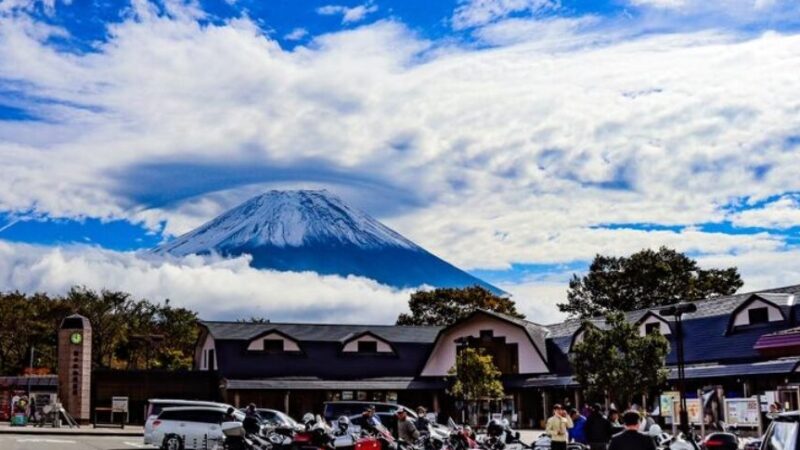
Mount Fuji’s first snow cap also typically appears in autumn, with contrast between autumn leaves and snow-capped Mount Fuji being spectacular. With mild weather, it is one of the optimal seasons for pilgrimage tourism.
Winter’s Mount Fuji and Hot Springs
Winter in Yamanashi Prefecture allows experiencing the work’s atmosphere itself. With clear air, Mount Fuji appears clearly with beautiful scenery spreading as depicted in the work.
Camping is advanced-level, but hot spring touring is best in winter. The experience of warming a chilled body in hot springs matches scenes the characters enjoyed in the work. However, snow road preparation and cold-weather measures are essential.
Conclusion: Rediscovering Yamanashi’s Charm Through “Yuru Camp △” Pilgrimage Tourism
“Yuru Camp △” series sacred site pilgrimage offers value beyond simply visiting anime locations. Through the work, you can discover diverse charm of Yamanashi Prefecture—rich natural scenery, hot springs, gourmet food, history, and culture—in a wonderful experience.
Sacred site spots spread throughout Yamanashi Prefecture each possess unique charm, with new discoveries on repeated visits. With SEASON3’s broadcast, even more new spots are added, broadening pilgrimage enjoyment.
Using official model location maps and tourism information, plan your own pilgrimage route and fully enjoy “Yuru Camp △’s” world and Yamanashi Prefecture’s charm. With appreciation for the work and respect for the region, enjoy a wonderful pilgrimage journey.
Link Collection and Reference Information
Here are official sites and information sources helpful for planning pilgrimage tourism.
Official Tourism Information
- Fuji no Kuni Yamanashi Tourism Net “Yuru Camp △” Special Page: Official Yamanashi Prefecture sacred site information and model location maps
- Minobu Town Tourism Association: Detailed tourism information for Minobu Town, the primary stage
- Fujikawaguchiko Town Tourism Association: Spot information and event guidance around Lake Kawaguchi
Transportation Access Information
- JR Central: Chuo Main Line and Minobu Line timetables and tourism information
- Fuji Kyuko Railway: Access information for Lake Kawaguchi area
- Yamanashi Kotsu: Prefectural bus route timetables
Accommodation and Campsite Reservations
- Official sites for each campsite: Reservation information for major spots like Kouan Campsite
- Yamanashi Prefecture Hotel and Lodging Sanitation Guild: Accommodation facility information prefecturewide
Utilizing these official information sources enables pilgrimage tourism based on latest and accurate information.