【Studio Ghibli】Only Yesterday: A Complete Guide to Rural Yamagata Scenery, the Setting of the Film
Introduction: The Deep Connection Between “Only Yesterday” and Yamagata Prefecture
“Only Yesterday” (Omohide Poro Poro), released by Studio Ghibli in 1991, is a masterpiece directed by Isao Takahata. The story of Taeko, a 27-year-old office worker in Tokyo, who visits a rural town in Yamagata Prefecture during summer vacation and confronts herself, captured the hearts of many audiences.
One of the major attractions of this work is the beautiful rural landscape of Yamagata Prefecture. Lush farmland, safflower fields, traditional farming life, and majestic nature are masterfully depicted through the medium of animation.
In this article, we will provide a thorough explanation of the rural landscapes of Yamagata Prefecture featured in “Only Yesterday,” including the actual model locations, the characteristics of the depictions in the work, and pilgrimage spots that can actually be visited.
Work Overview: What is “Only Yesterday”?
Basic Information
- Release Date: July 20, 1991
- Director: Isao Takahata
- Original Work: Hotaru Okamoto and Yuko Tone
- Music: Masaru Hoshi
- Theme Song: Harumi Miyako “Love is a Flower, You are Its Seed”
- Voice Cast: Miki Imai, Toshiro Yanagiba, and others
Story
Taeko Okajima, a 27-year-old office worker in Tokyo, feels worn out by work and daily life. On a train heading to Yamagata Prefecture, where her brother-in-law’s relatives live, she is flooded with memories from when she was in fifth grade.
In Yamagata, she meets Toshio, a young man passionate about organic farming, and helps with safflower picking and farm work, experiencing rural life. As past memories and present experiences intertwine, Taeko confronts her true feelings.
Why Yamagata Prefecture Was Chosen as the Setting
Director Isao Takahata’s Commitment
Director Takahata had a strong commitment to depicting “authentic rural Japan” in this work. The reasons Yamagata Prefecture was chosen include the following elements.
- History as a Safflower-Producing Region: Yamagata Prefecture has been one of Japan’s premier safflower-producing regions since the Edo period and serves as an important motif in the work.
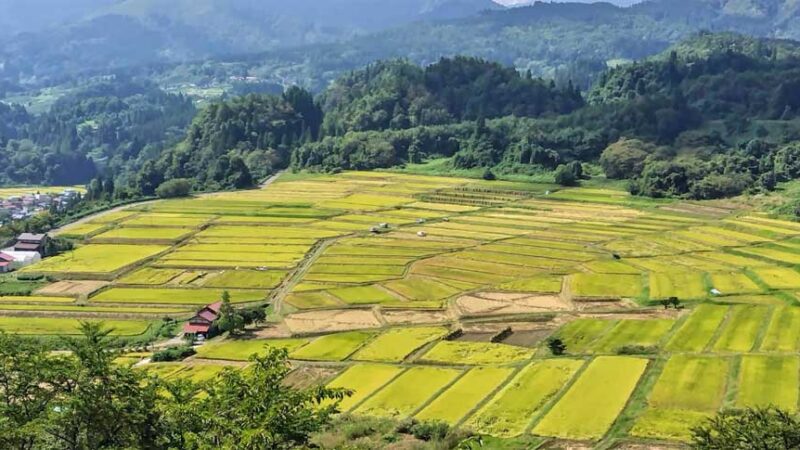
- Beautiful Farmland Scenery: The vast farmland of the Yamagata Basin possesses a beauty that can be called the original landscape of Japan.
- Traditional Agricultural Village Culture: A regional character where organic farming and traditional agricultural methods are still passed down.
- Rich Seasonal Changes: Distinct seasonal transitions and accompanying changes in landscape.
Meticulous On-Site Research
The Studio Ghibli production team conducted thorough research in Yamagata Prefecture. By carefully observing actual landscapes, buildings, and people’s daily lives, and accumulating sketches, they created realistic background art.
Rural Yamagata Landscape Depicted in the Work
The Beauty of Safflower Fields
One of the most memorable scenes in “Only Yesterday” is the safflower harvesting scene. The scene of picking safflowers wet with morning dew is masterfully expressed in animation, conveying both beauty and harshness.
Safflowers must be picked early in the morning when the thorns are still soft, and the scene where Taeko experiences this labor becomes an important moment that conveys the reality of farm work.
Farmland Scenery and Farm Life
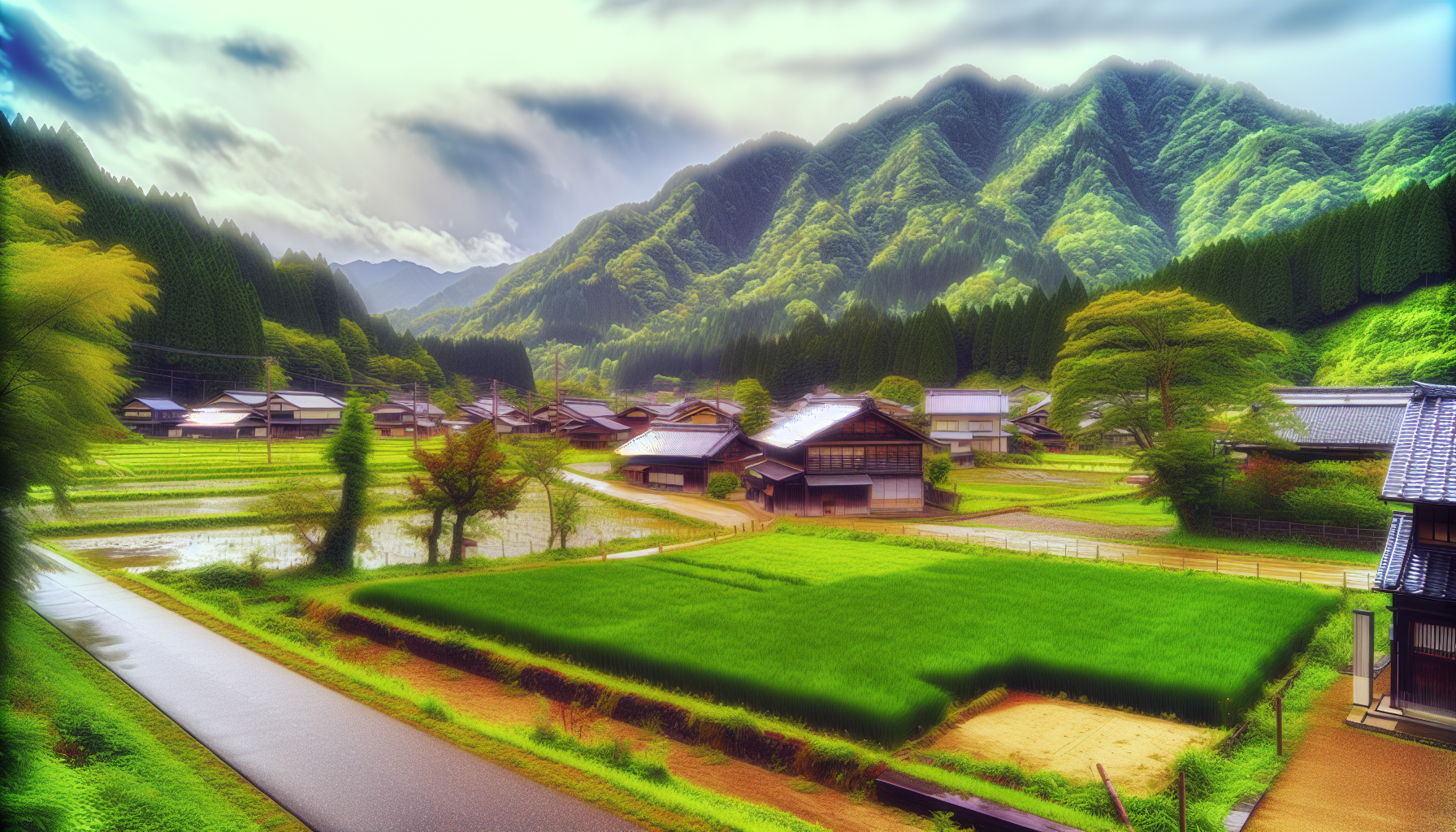
The work features typical Yamagata farmland scenery throughout.
- Sprawling Rice Paddies: Landscapes with endless rice fields symbolize Japan’s rice-growing culture.
- Traditional Farm Architecture: Thatched-roof houses and wooden farm dwellings are carefully depicted.
- Farm Work Scenery: Seasonal farm work such as rice planting, harvesting, and safflower picking are depicted as part of daily life.
- Satoyama Nature: The satoyama forests surrounding the fields are also important background elements of the work.
The Atmosphere of Yamagata Summers
Director Takahata devoted considerable effort to expressing the unique atmosphere of Yamagata summers.
- Strong Sunlight: The intense midsummer sun and the high-contrast shadows it creates.
- Cumulonimbus Clouds: Depiction of large thunderclouds floating in the summer sky.
- Cicada Sounds: The sound of cicadas used as a sound effect enhances the portrayal of summer heat.
- Beauty of Dusk: The beauty of the setting sun over the farmland is one of the masterful scenes in the work.
Real-World Model Locations and Pilgrimage Spots
Takase District (Yamagata City)
The main setting model for “Only Yesterday” is said to be the area around the Takase District in Yamagata City. This region still boasts beautiful farmland scenery, and you can feel the atmosphere of the film.
Highlights:
- Vast rice paddy areas
- Traditional farm architecture
- Safflower cultivation fields (seasonal)
Yamagata Station Area
The station model where Taeko arrives is believed to be Yamagata Station. While the current Yamagata Station has been modernized, there are some places in the surrounding area that retain traces from that time.
Mount Gassan Area
The mountains appearing in the work are said to have been modeled after Mount Gassan and other Yamagata mountains.
Features:
- Majestic mountain scenery
- Beautiful landscapes throughout the four seasons
- Hiking and trekking opportunities
Safflower Village (Various Locations in Yamagata Prefecture)
There are several areas in Yamagata Prefecture where safflower cultivation continues.
Main Safflower Cultivation Areas:
- Takase District, Yamagata City: Closest to the film’s image
- Kahoku Town: Home to the “Safflower Museum,” where you can learn about safflower culture
- Shirataka Town: “Safflower Hall” offers safflower dyeing experiences
Best Viewing Period: Late June to early July
Bunshokan (Former Prefectural Government Office and Prefectural Assembly Building)
Bunshokan in Yamagata City does not appear directly in the film, but is an important spot for understanding Yamagata’s history and culture. The beautiful Taisho-era Western-style architecture makes it a must-visit destination when sightseeing in Yamagata.
Characteristics of Landscape Depiction in “Only Yesterday”
Director Takahata’s Direction Techniques
Director Takahata employed unique landscape depiction techniques in this work.
- Realistic Background Art: Meticulously researched real landscapes pursued for authenticity.
- Expression of Light and Shadow: Careful depiction of light changes due to time of day and weather.
- Staging of Atmosphere: Expression of atmosphere that conveys humidity and temperature.
- Scent of Life: Attention to detail that makes people’s daily lives palpable.
The Subtlety of Color Design
The work’s color design is a crucial element in making Yamagata’s landscape visually striking.
- Vibrant Red of Safflowers: Safflower red as the work’s signature color.
- Green of Farmland: Varying shades of green in fields and mountains.
- Blue Summer Sky: Contrasting clear blue sky and white clouds.
- Orange of Sunset: Sunset tones that evoke a nostalgic atmosphere.
Landscape Expression Through Sound
Sound effects, not just visuals, greatly contribute to landscape expression.
- Natural Sounds: Wind sounds, water sounds, insect chirping, etc.
- Sounds of Daily Life: Sounds of farm work and people’s voices.
- Music: Music by Masaru Hoshi adds emotional depth to landscapes.
The Meaning of “Rural Areas” Depicted in the Work
Contrast Between Urban and Rural
“Only Yesterday” juxtaposes contemporary urban life in Tokyo with rural life in Yamagata, highlighting what modern people are losing.
Urban (Tokyo):
- Convenient but hectic lifestyle
- Shallow human relationships
- Disconnect from nature
- Environment that makes one lose sight of oneself
Rural (Yamagata):
- Unhurried time spent in harmony with nature
- Deep human relationships
- Life where seasons are felt on the skin
- Environment where one can face oneself
The Relationship Between Agriculture and Humanity
The work depicts the relationship between humans and nature through agriculture. Toshio’s practice of organic farming is portrayed as a symbol of living in harmony with nature, not merely as a farming method.
Expression of Nostalgia
By alternating between Taeko’s memories and present scenes, personal memories and Japan’s original landscape overlap, creating universal nostalgia.
Practical Pilgrimage Guide
Access Methods
By Train:
- From Tokyo Station to Yamagata Station via Shinkansen “Tsubasa” in approximately 2 hours and 40 minutes
- From Sendai Station to Yamagata Station via Senzan Line in approximately 1 hour and 20 minutes
By Car:
- Using the Yamagata Expressway, exit at Yamagata Zao IC to reach the city center
Recommended Sightseeing Route
One-Day Course:
- Morning: Arrive at Yamagata Station → View farmland scenery in Takase District
- Lunch: Enjoy Yamagata specialties (imoni stew, soba, etc.)
- Afternoon: Visit safflower-related facilities (seasonal)
- Evening: Visit Bunshokan → Stroll through Yamagata City
Two-Day Course:
- Day 1: Above course
- Day 2: Explore nature around Mount Gassan → Relax at a hot spring
Best Seasons
Safflower Season (Late June to Early July):
- Experience scenery closest to the film’s image
- Safflower festivals and other events are held
Grain Season (September to October):
- Golden rice paddies are beautiful
- Feel the bustle of harvest season
Fresh Green Season (May to June):
- Rice paddies after planting are beautiful
- Fresh climate perfect for sightseeing
Important Precautions
- Respect for Private Property: Farmland and farmhouses are private property. Do not trespass.
- Do Not Interfere with Farm Work: When photographing, be mindful not to interfere with agricultural activities.
- Take All Litter Home: To preserve beautiful farmland scenery, always take litter with you.
- Traffic Safety: Rural roads can be narrow. Exercise caution while driving.
The Appeal of Yamagata Prefecture: Beyond “Only Yesterday”
Rich Food Culture
Yamagata Prefecture is known as a treasure trove of food.
- Cherries: Boasts the nation’s highest production
- Rice: High-quality rice varieties such as “Tsuya Hime” and “Yuki Wakamaru”
- Soba: Yamagata’s soba culture is famous nationwide
- Imoni: Regional cuisine eaten by the riverside in autumn
- Ramen: Uniquely evolved Yamagata ramen culture
Hot Spring Culture
Yamagata Prefecture is also known as a hot spring region, with famous springs scattered throughout.
- Zao Onsen: Strongly acidic sulfur spring
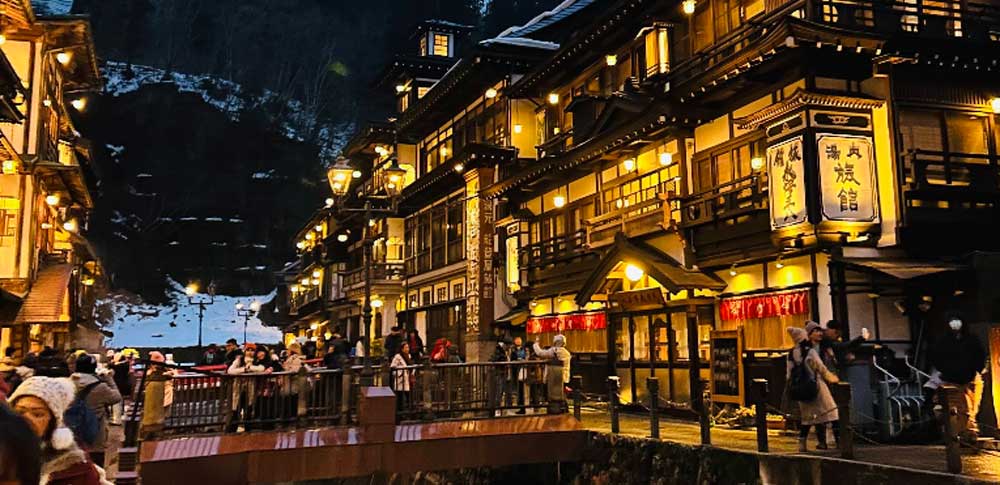
- Ginzan Onsen: Hot spring town brimming with Taisho-era charm
- Kaminoyama Onsen: Historic castle town hot spring
Traditional Crafts
- Yamagata Casting: Traditional craft with a thousand-year history
- Safflower Dyeing: Traditional dyeing technique featured in the film
- Shogi Pieces: Tendo City has the highest production of shogi pieces in Japan
What “Only Yesterday” Asks of Modern Times
The Choice of How to Live
Through Taeko’s story, the work asks us about the choice of how to live. Convenient urban life versus simple yet rich rural life. Rather than determining which is correct, it makes us reconsider what we truly value.
Perspective on Vanishing Landscapes
More than 30 years have passed since the film’s 1991 release, and the rural landscapes depicted in the work have been declining across Japan. This work is also an important record that helps us recognize anew the value of such scenery.
Dialogue With Oneself
Just as Taeko engages in dialogue with her past self, the film teaches us the importance of confronting our own “memories.” It becomes an opportunity to recover our original selves, which we tend to lose in our busy daily lives.
The Position of “Only Yesterday” in Studio Ghibli Works
A Ghibli Work for Adults
“Only Yesterday” is positioned as a work particularly aimed at adults among Studio Ghibli productions. Works with no fantasy elements, set in real Japan, are a rare occurrence among Ghibli works.
The Artistic Vision of Director Takahata
The work showcases Director Takahata’s unique artistic vision distinct from Director Miyazaki Hayao.
- Pursuit of Realism: Unwavering commitment to authenticity
- Discovery in the Everyday: A perspective that finds beauty in the ordinary
- Social Significance: Incorporation of social themes such as agriculture, environment, and lifestyle
Commercial Success
Upon its release, it achieved a distribution revenue of 3.18 billion yen, ranking first at the 1991 Japanese film box office. It achieved unprecedented success for an adult-oriented animated feature.
The Work’s Influence and Legacy
Tourism Effects on Yamagata Prefecture
“Only Yesterday” greatly contributed to promoting tourism in Yamagata Prefecture. Through the film, people who learned about Yamagata’s appeal visited in person, creating a phenomenon that can be called a precursor to “anime tourism.”
Interest in Organic Farming
The organic farming efforts depicted in the work helped raise interest in organic farming, which was not yet common at the time.
Longing for Rural Living
The work also served as a catalyst for the “rural living” boom, where people moved from cities to the countryside. The rural appeal depicted in the film showed many people the possibility of “another way of living.”
How to Enjoy the Work More Deeply
Comparison With the Original Manga
The original manga by Hotaru Okamoto and Yuko Tone primarily focuses on episodes from elementary school. The film significantly adds Taeko’s experiences in Yamagata as an adult, adding depth different from the original.
The Appeal of the Soundtrack
The music by Masaru Hoshi greatly supports the work’s atmosphere. The theme song “Love is a Flower, You are Its Seed,” sung by Harumi Miyako, is a masterpiece that symbolizes the work’s theme.
Voice Acting
The natural performances of Miki Imai (adult Taeko) and Yoko Honma (childhood Taeko), and Toshiro Yanagiba (Toshio), enhance the work’s authenticity. By casting professional actors rather than voice actors, a more everyday conversational atmosphere is created.
Conclusion: What the Yamagata Landscapes in “Only Yesterday” Teach Us
The rural landscapes of Yamagata Prefecture depicted in “Only Yesterday” are not merely background scenery. They are a spiritual homeland that reminds us of precious things we are forgetting.
Beautiful safflower fields, sprawling farmland, majestic mountains, and the warm daily lives of people. These landscapes, though from a work over 30 years old, continue to capture the hearts of many people.
Visiting Yamagata Prefecture in person, you can encounter the landscapes you saw in the film, and experience the land’s air, scents, sounds, and people’s daily lives through all five senses. This becomes a richer experience than what you felt through the screen.
“Only Yesterday” asks us: What truly matters? How do you want to live? And how will you face your own “memories”? The beautiful rural Yamagata landscape provides a quiet and enriching place to confront such questions.
Please watch the film and visit Yamagata. The moment when the landscapes on screen become part of your own “memories” may well arrive.