
【Uma Musume Pretty Derby】Tokyo Racecourse, West Gate (Tokyo) Complete Guide | Must-See Sacred Sites and Access Information
What is Tokyo Racecourse West Gate?
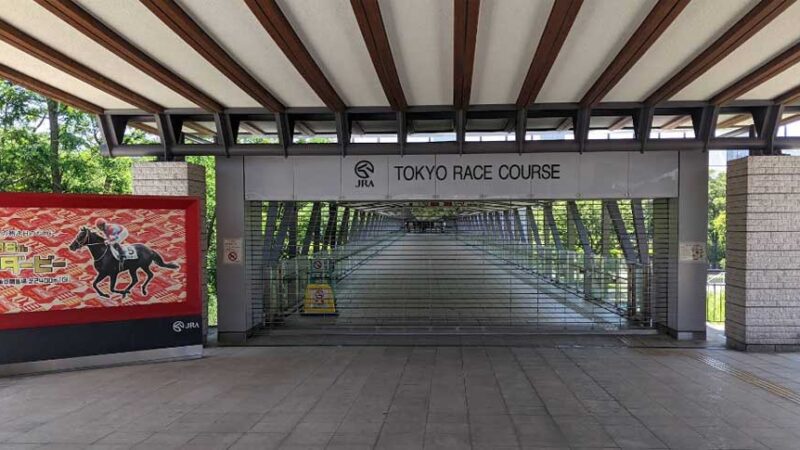
Tokyo Racecourse West Gate is an important sacred site from the popular anime “Uma Musume Pretty Derby” that attracts many fans. Located at 1-1 Hiyoshi-cho, Fuchu City, Tokyo, this location serves as the stage for numerous impressive scenes, including the scene where the protagonist Special Week enters Tokyo Racecourse for the first time in the story.
The West Gate is one of the main entrances to Tokyo Racecourse and is a place where many horse racing enthusiasts pass through on actual race days. For Uma Musume fans, it is known as a special place where you can re-experience the moving scenes from the anime.
Overview of Tokyo Racecourse
Tokyo Racecourse is operated by the Japan Racing Association (JRA) and is one of Japan’s largest racecourses, hosting numerous G1 races including the Japan Derby. The facility covers an area of approximately 900,000 square meters and boasts a maximum capacity of approximately 220,000 people.
The racecourse contains a racing museum, horse museum, food court, and children’s playground facilities, offering plenty of entertainment beyond horse racing alone, making it enjoyable for families to spend the entire day.
Appearances of Tokyo Racecourse West Gate in Uma Musume Pretty Derby
Episode 1: Special Week’s Arrival in Tokyo Scene
In anime Episode 1, the scene where Special Week, who arrived in Tokyo from Hokkaido, visits Tokyo Racecourse for the first time is a memorable scene that lingers in the minds of many fans. The image of Special Week rushing from the West Gate entrance into the racecourse symbolizes her determination to run toward her dreams.
The vivid depiction of Special Week sprinting at full speed through the goal-side corridor faithfully recreates the atmosphere of the actual Tokyo Racecourse, and when visiting for sacred site pilgrimage, standing in the same location allows you to re-experience the emotions of the anime.
Episode 5: The Japan Derby Stage
In Episode 5, the scene of the “Japan Derby” is depicted, where Special Week and El Condor Passer engaged in an intense dead heat requiring a photo finish. In the opening cut of this race, the buildings of Tokyo Racecourse, including the West Gate, are depicted in detail, carefully expressing the atmosphere of the actual racecourse.
The Japan Derby is a race held from late May to early June that decides the pinnacle of 3-year-old horses, known in the racing world as “the most valuable G1 race.” When Uma Musume fans visit Tokyo Racecourse on Japan Derby race day, they can experience a special encounter where anime and reality intersect.
Other Important Scenes
Throughout the entire anime, Tokyo Racecourse serves as the stage for numerous racing scenes. Actual famous races such as the Emperor’s Cup (Autumn), Japan Cup, and Arima Memorial are faithfully recreated in the anime, with each facility and landscape of the racecourse depicted in fine detail.
Access Methods to Tokyo Racecourse West Gate
Access by Train
Train access is the most convenient way to reach Tokyo Racecourse. The nearest stations are as follows:
Keiō Racecourse Line “Fuchu Racecourse Main Gate Station”
- Approximately 2 minutes walk to Tokyo Racecourse main gate
- Approximately 5-7 minutes walk to West Gate
- Approximately 3 minutes by limited express from Keio Line “Chofu Station”
- Temporary limited express trains run on race days, with access from Shinjuku in approximately 25 minutes
JR Musashino Line and Nanbu Line “Fuchu Honcho Station”
- Approximately 10-15 minutes walk to Tokyo Racecourse
- Approximately 8-12 minutes walk to West Gate
- Good access from central Tokyo area
Keio Line “Fuchu Station”
- Approximately 15-20 minutes walk to Tokyo Racecourse
- Approximately 12-17 minutes walk to West Gate
- Bus access also available (approximately 10 minutes travel time)
Differences Between Race Days and Non-Race Days
Race Days
- Temporary ticket gates open at Fuchu Racecourse Main Gate Station for smooth entry
- Guide staff positioned along the path from the station to the racecourse
- West Gate is open and entry is possible
- Congestion is expected, so it is recommended to allow extra time
Non-Race Days
- West Gate is usually closed
- Exterior photography is possible, but entry into the facility is not allowed
- Non-race days are recommended for those who want to enjoy sacred site pilgrimage quietly
- However, some facilities (such as the racing museum) may be open on certain days
Car Access and Parking Information
Using Central Expressway
- Approximately 10 minutes from “Chofu IC”
- Approximately 5 minutes from “Fuchu Smart IC” (ETC only)
Parking
- Tokyo Racecourse has parking capacity for approximately 3,000 vehicles
- Paid on race days (approximately 2,000 yen for regular cars)
- May not be available on non-race days, so advance confirmation is necessary
- Early morning arrival is recommended as lots may fill up on major race days; public transportation is recommended
Sacred Site Pilgrimage Shooting Spots and Highlights
West Gate Exterior
Since the West Gate building itself appears in the anime, photographing the exterior is essential. To recreate the angle from Episode 1 where Special Week dashes through, a slightly angled position from the front of the West Gate is recommended.
Photography Tips:
- Morning to early afternoon light is ideal for well-lit photography
- Early morning or non-race days are better for photography due to fewer crowds on race days
- Remember to be mindful of safety and consideration for other visitors
Goal-Side Corridor
The goal-side corridor where Special Week sprints at full speed is an emotional shooting spot for fans. Standing in this actual location allows you to feel the realism of the anime firsthand.
On race days, you can also watch actual race goal scenes, allowing for a more immersive experience of the Uma Musume world.
Fujiview Stand
The main stand of Tokyo Racecourse, Fujiview Stand, appears numerous times in the anime. The views from the upper floors in particular are spectacular, providing an overview of the entire racecourse.
On race days, you can watch races from the stand while viewing the same course where the Uma Musume ran, providing a special experience.
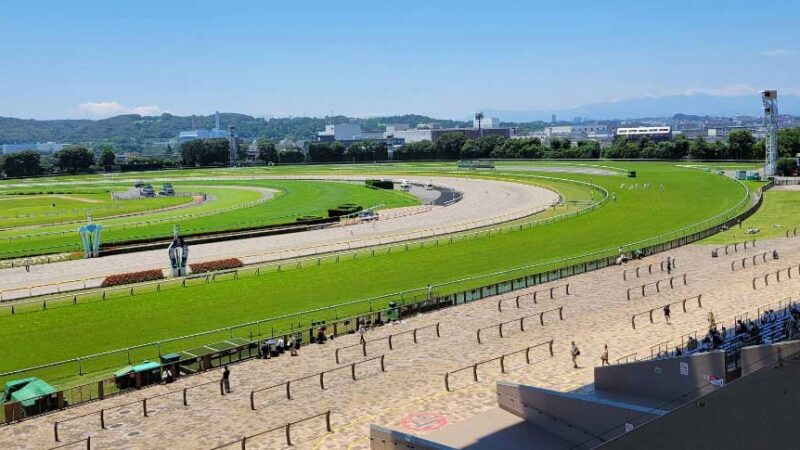
Racetrack and Course
Tokyo Racecourse’s grass course is the stage for Japan’s highest-level races. The course has a full circumference of approximately 2,083 meters (outer loop) and features a straight distance of 525.9 meters, the longest in Japan.
Seeing with your own eyes the stage of the numerous famous battles depicted in anime makes the Uma Musume’s thrilling races even more memorable.
Paddock
The paddock where Uma Musume (actual racehorses) parade before races is also an important location in the anime. On race days, you can watch actual racehorses circling the paddock up close.
Observing while imagining the scenes from the anime where Uma Musume gather before races makes it even more enjoyable.
Facility Guide Within Tokyo Racecourse
Racing Museum
A museum where you can learn about the history and culture of horse racing, with extensive exhibitions about legendary horses. You can view materials and videos of famous horses that became models for Uma Musume characters, deepening your understanding of the work.
Admission Fee: Free (some special exhibitions may charge admission)
Opening Days: Primarily on race days and weekends/holidays
JRA Racing Museum Gallery
Contains numerous valuable exhibits including actual horseshoes from famous horses, race videos, and jockey uniforms. You can learn about the achievements of horses that were models for characters appearing in Uma Musume, including Special Week.
Food Court and Restaurants
Tokyo Racecourse has numerous dining facilities where you can enjoy racecourse cuisine.
- Turfie Cafeteria: Set meals at reasonable prices
- Various Food Courts: Ramen, curry, rice bowls, and diverse menus
- Stand Vendor Stalls: Popular items include grilled chicken and draft beer
Horse Interaction Corner
On race days, pony interaction events may be held. Popular with families with small children.
Park Area (Non-Race Days)
On non-race days, part of the racecourse may be open to the public as a park. You can enjoy picnics on vast grassy areas or play on playground equipment.
Precautions and Etiquette for Sacred Site Pilgrimage
Photography Etiquette
- Consideration for Other Visitors
- Be careful not to obstruct passage
- Avoid loud conversations or screaming
- Ensure safety when using tripods
- Observance of Facility Usage Rules
- Never enter areas marked as off-limits
- Follow instructions from racecourse staff
- Photography is prohibited in certain areas
- Special Precautions on Race Days
- Loud cheering may disturb other fans
- Do not cut in line at betting ticket counters
- Observe horses quietly without startling them in the paddock
Clothing and Items to Bring
Recommended Clothing
- Comfortable walking shoes (the racecourse is vast)
- Season-appropriate clothing (sun protection in summer, warm clothing in winter)
- Hat or sunglasses (many outdoor areas)
Convenient Items to Bring
- Camera/smartphone (include chargers)
- Beverages (also available for purchase at the venue)
- Picnic blanket (for resting on grassy areas)
- Binoculars (convenient for race viewing)
- Anime materials (for comparison photography)
Confirming the Race Calendar
When planning a sacred site pilgrimage, confirm the race schedule at Tokyo Racecourse in advance. The annual schedule is published on the JRA official website.
Major G1 Race Hosting Periods
- February: February Stakes
- Late May to Early June: Japan Derby (Tokyo Yuushun)
- October-November: Emperor’s Cup (Autumn), Japan Cup
- December: Arima Memorial
These major race days are particularly crowded but offer the most intense racing atmosphere.
Nearby Sacred Sites for Pilgrimage
Fuchu Area
The Fuchu area surrounding Tokyo Racecourse contains multiple Uma Musume-related sacred sites.
Higashi-Fuchu Station
- Famous as the station where Special Week arrives
- A Keio Line station faithfully recreated in the anime
- The surrounding scenery also appears in the work
Fuchu City Streets
- An area said to be the model for Tracen Academy
- You can compare actual streets with anime backgrounds while strolling
Tachikawa Area
Some urban scenes in the anime are said to be modeled after the Tachikawa area.
Kichijoji Area
Multiple spots including shopping streets and parks that appear in daily life scenes of characters are scattered throughout.
Other Sacred Sites in Tokyo
- Shinjuku Station area
- Shibuya Station area
- Akihabara area (game centers, etc.)
Planning a route to visit multiple sacred sites in a day enables a more fulfilling pilgrimage experience.
Horse Racing Viewing Guide for Uma Musume Fans
First-Time Horse Racing Viewing
Many people have become interested in horse racing through Uma Musume. Watching horse racing at Tokyo Racecourse is an excellent opportunity to experience the anime world in reality.
Admission Fee
- General admission: 200 yen (free for under 15)
- Reserved seats require additional charge (1,000 yen and up)
How to Buy Betting Tickets
- Purchase from automatic vending machines
- Can purchase from 100 yen
- “Win” and “Place” bets are recommended for beginners
Recommended Viewing Spots
- Top Floor of Fujiview Stand
- Best viewpoint with complete overview
- Can watch thrilling finishes near the goal
- Inner Racetrack
- Can see horses up close
- Experience the intense sound of running
- Near Goal Board
- Most exciting location
- Can watch tight races requiring photo finishes from the front
Races of Uma Musume Model Horses
The offspring of famous horses that are models for characters in the anime may still be running. Checking entry information and cheering for related horses is another way to enjoy the experience.
Event and Collaboration Information
Past Collaboration Events
Tokyo Racecourse has previously held collaboration events with “Uma Musume Pretty Derby.”
- Character panel displays
- Limited merchandise sales
- Voice actor talk shows
- Stamp rallies
How to Obtain Latest Event Information
You can check the latest collaboration information at:
- JRA official website
- Uma Musume official Twitter
- Tokyo Racecourse official SNS
When events are held, expect even more congestion than usual, so early arrival is recommended.
How to Enjoy Sacred Site Pilgrimage
Comparison Photography with Anime Scenes
It’s recommended to save screenshots of relevant anime scenes on your smartphone or tablet and do comparison photography at the actual location. You will be amazed at how faithfully the anime recreates the settings.
Sharing on SNS
By posting on Twitter or Instagram with hashtags like “#UmaMusiceSacredSite” or “#TokyoRacecourse,” you can interact with fans with similar interests. Other fans’ posts are also helpful references.
Benefits of Multiple Visits
The atmosphere of the racecourse changes significantly depending on the season and time of day. Cherry blossoms in spring, blue skies in summer, autumn foliage, and crisp winter air each offer unique charm. Additionally, race days and non-race days present entirely different characteristics, so visiting both allows you to enjoy the sacred site more deeply.
Merchandise Collection
Tokyo Racecourse shops sell numerous horse racing-related goods. For Uma Musume fans, actual racecourse merchandise becomes particularly special souvenirs.
Summary: Experience Your Dream Stage at Tokyo Racecourse West Gate
Tokyo Racecourse West Gate is one of the sacred sites where you can most strongly feel the world of “Uma Musume Pretty Derby.” By actually visiting the place where Special Week set out toward her dreams and the stage where countless memorable races took place, your affection for the anime will deepen even further.
On race days, you can experience the excitement and intensity of actual racing, while non-race days allow for quiet sacred site pilgrimage enjoyment. Both visiting styles have different appeals, so experiencing both if possible is recommended.
The excellent access, with arrival possible in approximately 30 minutes from central Tokyo, is also a major attraction. By planning a full day pilgrimage route combined with nearby sacred sites, you can create an even more fulfilling experience.
Remember to follow etiquette and be considerate of other visitors while fully enjoying the Uma Musume world. Surely a special experience awaits you where the emotional scenes you watched in anime become real landscapes before your eyes.
Why not stand at Tokyo Racecourse West Gate and experience the same dream stage? Enjoy the unique experience where horse racing and anime merge in the same location where Special Week and others dashed through.