Barakamon Sacred Sites and Nagasaki’s Goto Islands Complete Guide: Location Spotting and Tourist Attractions
The Deep Connection Between Barakamon and the Goto Islands
“Barakamon” is a popular manga series by Yoshino Satsuki that was adapted into an anime in 2014, captivating many fans. The setting for the story is the beautiful archipelago of the Goto Islands floating in the western seas off Nagasaki Prefecture.
The protagonist, calligrapher Seisho Handa, leaves his life in Tokyo to live on “Fukue Island” (modeled after Fukue Island) in the Goto Islands, and grows through his interactions with island residents and children. The story beautifully depicts the rich natural environment and warm-hearted island culture of the Goto Islands.
Author Yoshino Satsuki is himself from the Goto Islands, and the actual landscapes, culture, and dialect are vividly reflected in the work, making it a highly worthwhile destination for fans as a “sacred site pilgrimage.”
The Goto Islands: Basic Information and Geography
Location and Composition of the Goto Islands
The Goto Islands are an archipelago consisting of 152 large and small islands located approximately 100km west of Nagasaki Prefecture. The main islands are as follows:
- Fukue Island (Fukuejima): The largest island in the Goto Islands and the main setting for Barakamon
- Hisaka Island (Hisakajima): An island with a world heritage church
- Naru Island (Narushima): A naturally rich medium-sized island
- Wakamatsu Island (Wakamatsujima): An island with beautiful stone walls
- Nakadori Island (Nakadoorijima): The center of the northern archipelago
History and Culture of the Goto Islands
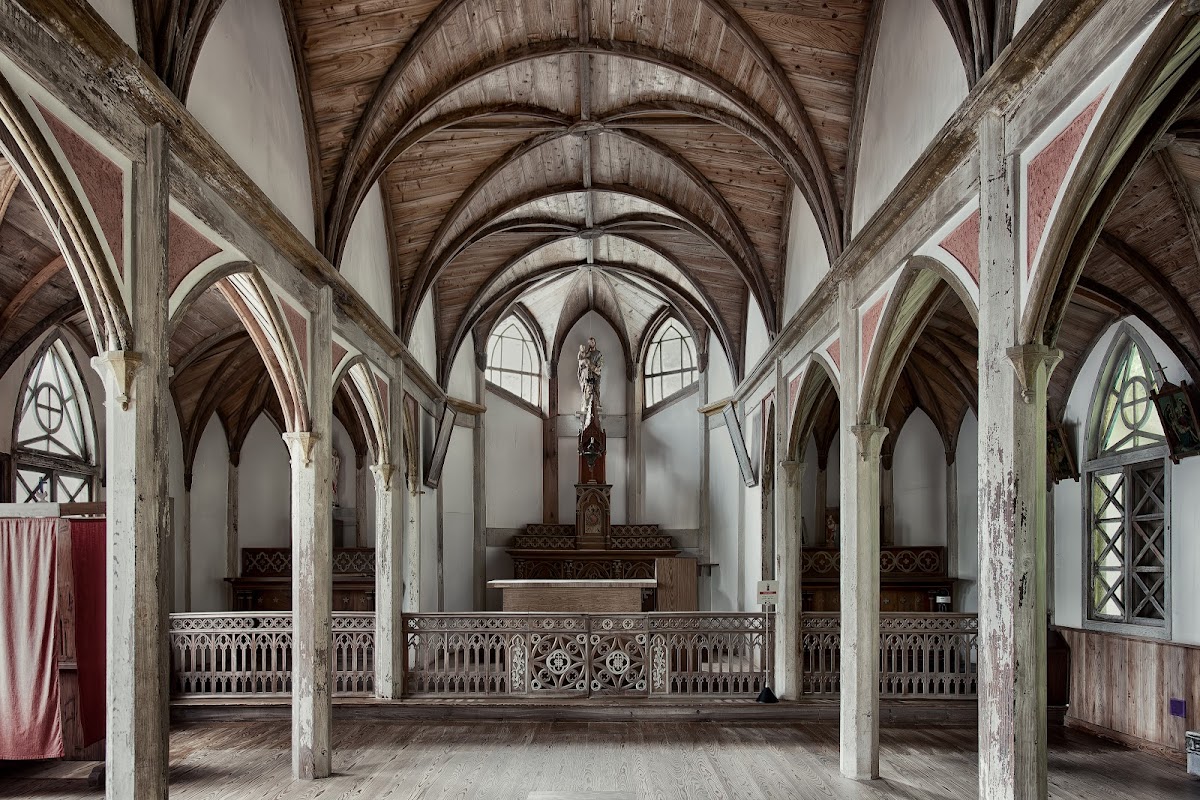
The Goto Islands have long prospered as a window for exchange with the continent and are known as a port of call for the ships of the Kentōshi (Japanese embassies to Tang China). During the Edo period, it became a settlement for hidden Christians, and today remains known as the “Island of Prayer” with many churches scattered throughout. In 2018, it was registered as a UNESCO World Cultural Heritage site as part of “Hidden Christian Sites and Properties in the Nagasaki and Kumamoto Region.”
The unique island dialect, culture, and warm human relationships are themselves the world of “Barakamon.”
The Stage of Barakamon: The Charm of Fukue Island
Overview of Fukue Island
Fukue Island is the largest island in the Goto Islands with an area of approximately 326 square kilometers. With a population of about 30,000, it is the center of Goto City. The island has an airport and port, serving as an access hub.
Fukue Island, which served as the model for “Fukue Island” where the protagonist Seisho Handa lives in “Barakamon,” is charming for its beautiful coastline, abundant nature, and warm island residents.
Model Locations for Scenes in the Work
Coastlines and Beaches
The beautiful coastlines of Fukue Island appear many times throughout the work. In particular:
- Takahama Beach: Selected as one of Japan’s 100 finest beaches. The highly transparent emerald-green sea served as a model for beach scenes in the work
- Oze Cape Lighthouse: A white lighthouse standing on steep cliffs. It appears as an impressive landscape in the work
- Onigatake: A volcano with an elevation of 315m and the symbol of Fukue Island. It often appears in distant views throughout the work
Villages and Lifestyle Scenes
The villages on the island serve as the setting for daily scenes in the work. Stone walls, old houses, and narrow alleyways model the surroundings of the house where Seisho Handa lives.
Tourist Spots on Fukue Island
Doesaki Cathedral
A beautifully constructed brick church built in 1908. A museum conveying the history of Christianity in the Goto Islands is also attached.
Samurai Mansion Street
A street with stone walls and samurai residences that retain the vestiges of a former castle town. You can experience the historical atmosphere.
Onigatake Observatory
An astronomical observatory near the summit of Onigatake. You can observe the beautiful starry sky of the Goto Islands. Starry sky scenes are depicted impressively throughout the work.
Barakamon Sacred Site Pilgrimage: Recommended Spots and Model Locations
Preparation for Sacred Site Pilgrimage
When planning a Barakamon sacred site pilgrimage, keep the following points in mind:
- Review the work beforehand: Confirm which scenes are depicted where
- Prepare map apps: Public transportation on the island is limited, so a rental car is recommended
- Prepare a camera: To record beautiful scenery
- Consideration for locals: Many locations are actual residences, so observe proper manners
Major Sacred Spots
1. Coastal Scenes
Scenes where children play at the seaside and where Handa gains inspiration for calligraphy from the seashore model multiple coastlines of Fukue Island. The area around Takahama Beach in particular strongly conveys the atmosphere of the work.
2. Village Landscape
The surroundings of the house where Handa lives model Fukue Island’s traditional villages. Stone walls, narrow alleyways, and old houses recreate the world of the work.
3. Harbor and Ships
Scenes of arrival at the island and the harbor used by islanders model the area around Fukue Port.
Use of Sacred Site Pilgrimage Maps
The Goto City Tourism Association provides information for Barakamon fans. Checking their official website before your visit allows for a more fulfilling sacred site pilgrimage.
How to Access the Goto Islands
Access by Airplane
Direct Flights to Fukue Airport
- From Nagasaki Airport: Approximately 30 minutes (3-4 flights daily)
- From Fukuoka Airport: Approximately 40 minutes (1 flight daily)
Operated by Oriental Air Bridge (ORC). Advance reservations are recommended.
Access by Ship
From Nagasaki Port to Fukue Port
- Jet Foil (high-speed ship): Approximately 1 hour 25 minutes
- Ferry: Approximately 3 hours 10 minutes
Operated by Kyushu Shosen. Ferries can also transport vehicles.
From Sasebo Port to Fukue Port
- Ferry: Approximately 3 hours 40 minutes
Transportation Within the Islands
Rental Car
Most convenient for sacred site pilgrimage. Rental car companies are available at Fukue Airport and Fukue Port. Advance reservations are recommended.
Rental Bicycles and Motorcycles
If the weather is nice, island touring by bicycle or motorcycle is exhilarating.
Buses and Taxis
Buses are available, but with limited frequency, so planning is necessary.
Goto Islands Cuisine: Island Gourmet Featured in Barakamon
Goto Udon
The specialty of the Goto Islands is “Goto Udon.” Characterized by thin noodles with a firm texture, this traditional food is said to have been transmitted during the age of the Kentōshi. It appears in the work, with impressive scenes of Handa touching island food culture.
The traditional way to eat is “jigoku-yaki” (eating freshly boiled noodles as is) or with “ago dashi” (flying fish broth).
Fresh Seafood
The Goto Islands are blessed with excellent fishing grounds and abundant fresh seafood:
- Goto Beef: Black Angus beef raised on the island
- Kivinago: Served as sashimi or tempura
- Mackerel and Sardines: Fresh fish with rich fat
- Sea Urchin and Abalone: Abundant premium seafood
- Kanko Mochi: Traditional sweets made with sweet potato
Island Home Cooking
The dishes that island residents prepare for Handa in the work model Goto home cooking. You can feel the simple yet warm food culture of the island.
Accommodation on the Goto Islands
Hotels and Inns
Fukue Island has multiple hotels and inns:
- Goto Concana Kingdom: A resort hotel where you can also enjoy hot springs
- Campana Hotel: Conveniently located near Fukue Port
- Minshuku (Family Inns): Homey accommodations where you can interact with islanders
Guesthouses
In recent years, guesthouses for young travelers have increased. You can also enjoy interaction with other travelers.
Booking Tips
Especially during summer and holidays, it gets crowded, so early booking is recommended. During the pilgrimage season, some accommodations offer special plans for Barakamon fans.
Goto Islands Annual Events and Best Times to Visit
Spring (March-May)
- Cherry blossom season: Cherry blossoms at island spots are beautiful
- Climate: Warm and comfortable
Summer (June-August)
- Beach swimming season: You can swim in the highly transparent sea
- Goto Islands Sunset Marathon (June): A marathon run in the beautiful sunset
- Note: This is also typhoon season, so watch out for weather
Autumn (September-November)
- Climate: Pleasant weather, ideal for sightseeing
- Food: Fish are delicious this season
Winter (December-February)
- Camellia Festival (February): The Goto Islands are famous for camellias
- Note: The sea is rough, so watch out for ship cancellations
Recommended Times to Visit
For sacred site pilgrimages, spring (April-May) or autumn (October-November) with stable weather is recommended. Summer allows for beach swimming but note crowding and typhoon concerns.
To Deepen Your Knowledge of the Barakamon World
Original Manga and Anime
Viewing the original manga all 18 volumes and anime all 12 episodes before the pilgrimage allows for deeper enjoyment of the work world. Particularly:
- Original Manga: Detailed landscape depiction and island culture are carefully described
- Anime: Voice acting and music enhance the work’s atmosphere
- Spin-off “Handa-kun”: A work depicting the protagonist’s high school days
Goto Islands Dialect
The Goto dialect used extensively in the work has unique charm. Main expressions:
- “Barakamon”: A spirited person, mischievous person (origin of the work’s title)
- “Yokayoka”: That’s fine, it’s okay
- “~bai”: ~you know (sentence ending)
Understanding the dialect brings the work and island culture closer to you.
Island Culture Experiences
Along with sacred site pilgrimages, experiencing Goto Islands culture is also recommended:
- Calligraphy Experience: Experience calligraphy inspired by the protagonist
- Camellia Oil Making: Experience making Goto’s specialty products
- Church Tours: Visit world heritage churches
- Fishing Experience: Enjoy fishing in the island’s sea
Precautions and Manners for Goto Islands Sightseeing
Sacred Site Pilgrimage Manners
- No trespassing on private property: Many model locations are on private land
- Be mindful of noise: Be quiet in residential areas
- Take trash with you: To preserve the beautiful island
- Be considerate with photography: Respect residents’ privacy
- Observe traffic rules: Many narrow roads require safe driving
Island Living Manners
- Value greetings: Interaction with islanders is one of the work’s charms
- Patronize local shops: Support the island economy
- Nature conservation: Protect the beautiful natural environment
Weather and Transportation Cautions
- Ship cancellations: Ships may not operate during winter or typhoon season
- Build schedule flexibility: Prepare for weather-related changes
- Check latest information: Confirm transportation status before departure
Other Attractions on the Goto Islands
World Heritage Church Groups
The Goto Islands have over 50 churches, and in particular, beautiful church groups are registered as world heritage sites:
- Former Gorio Church Hall (Hisaka Island)
- Egami Cathedral (Naru Island)
- Kashiraga Island Cathedral (Kashiraga Island)
These churches are precious cultural heritage conveying the history of hidden Christians to the present day.
Natural Scenery
- Onigatake: Volcanic lava dome and grassland
- Oze Cape Cliffs: Impressive cliffs facing the East China Sea
- Uozu Cape Park: Beautiful coastline and sunset
Historical Sites
- Ishida Castle Ruins: Former castle of the Goto clan
- Myojo Temple: Parishioner temple of Goto clan lords
- Samurai Mansion Street: Traces of the Edo period
Barakamon Fan Community and Interaction
Social Media Information Sharing
On Twitter and Instagram, many fans share visit reports and photos using hashtags like #barakamonseichiJunrei #gotoislands. Use for information gathering before your visit or sharing impressions after.
Fan Events
Barakamon-related events are occasionally held on the Goto Islands. Check official information and tourism association websites.
Interaction With Locals
Goto Islands residents warmly welcome Barakamon fans. Many are delighted that people have become interested in the island through the work, and if you visit with proper manners, you may experience the kind of warm interaction depicted in the work.
After Visiting the Goto Islands
Re-watching the Work
After visiting the Goto Islands, rewatching the work allows for deeper understanding of the landscapes, culture, and residents’ warmth, with new discoveries.
Goto Specialties
As souvenirs:
- Goto Udon: Enjoy the island’s taste at home
- Camellia Oil: Gentle natural oil for hair and skin
- Kanko Mochi: Simple sweetness of sweet potato
- Ago Dashi: Concentrated flying fish umami
- Goto Shochu: Local distilled spirits
As a Returning Visitor
Once you visit, many people become repeat visitors drawn to the charm of the Goto Islands. Visiting in different seasons allows you to enjoy a different side of the islands.
Conclusion: The Charm of Barakamon and the Goto Islands
The Goto Islands of Nagasaki Prefecture, which serve as the stage for “Barakamon,” are not only special places for fans of the work but also wonderful tourist destinations with beautiful nature, rich history, and warm encounters with people.
By visiting as a sacred site pilgrimage, you can experience the work’s world realistically, while also touching the charm of the Goto Islands themselves. Just as Seisho Handa grew through his island life, visitors may also find something precious on the Goto Islands.
If you visit with affection for the work and respect for the locals, it will surely be an unforgettable trip. The beautiful sea, warm people, and world of “Barakamon” await you on the Goto Islands.
Make a plan and set out on a trip to the Goto Islands. Be sure to experience the wonder of the work’s world becoming reality before your eyes.