
[Complete Guide] Thorough Explanation of the Relationship Between Spirited Away and Jiufen, Taiwan
Introduction: The Mysterious Connection Between Spirited Away and Jiufen
“Spirited Away,” the timeless masterpiece from Studio Ghibli released in 2001, recorded box office earnings of 31.68 billion yen domestically in Japan and won the Academy Award for Best Animated Feature. This film continues to be beloved worldwide.
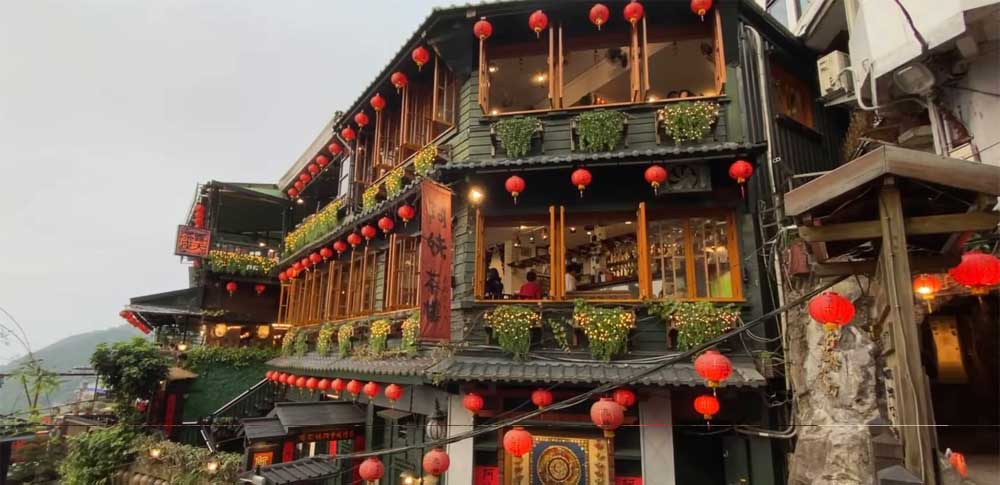
The small town that became world-famous as the model setting for this movie is “Jiufen” (九份, pronounced Kyuufen or Jioufun), located in the mountains of northern Taiwan. The red lanterns illuminating the stone steps, the nostalgic streetscape, and the fantastical atmosphere at dusk are remarkably reminiscent of the “bathhouse” world into which Chihiro wandered.
This article provides a thorough explanation from every angle regarding the relationship between Spirited Away and Jiufen, from official statements to actual similarities and tourism information.
Studio Ghibli’s Official Position: Is Jiufen a Model Location?
Official Statement from Studio Ghibli
Actually, Studio Ghibli has not officially acknowledged Jiufen as a direct model location for Spirited Away. There have been no explicit statements from Director Hayao Miyazaki or production staff indicating that Jiufen was used as a reference.
Places Director Hayao Miyazaki Actually Referenced
The places that Director Hayao Miyazaki is known to have referenced during the production of Spirited Away are primarily the following hot spring resorts and buildings within Japan:
- Dogo Onsen Honkan (Ehime Prefecture): A primary reference for the bathhouse’s exterior design
- Meguro Gajoen (Tokyo): A source of inspiration for the lavish interior design
- Edo-Tokyo Open Air Architectural Museum (Tokyo): A reference for Showa-era streetscapes and architectural styles
- Shibu Onsen (Nagano Prefecture): Influenced the creation of the hot spring town atmosphere
Why Jiufen Became Known as a “Model Location”
There are several factors behind Jiufen’s worldwide recognition as a model location for Spirited Away:
- Visual Similarity: Common elements such as red lanterns, stone steps, and wooden architecture
- Taiwan Media Coverage: After the film’s release, Taiwan media actively reported Jiufen as a “model location”
- Tourism Promotion: Taiwan’s tourism bureau internationally promoted Jiufen as “the world of Ghibli”
- Social Media Spread: Visitors posted “It looks like the world of Spirited Away!” and the image became established
Although not an official model location, Jiufen’s atmosphere corresponds remarkably with the film’s worldview, so it is loved worldwide by fans as a “spiritual model location” or “one of the sources of inspiration.”
Detailed Comparison of Similarities Between Jiufen and Spirited Away
1. Ameichao Teahouse (Ameichi Teahouse) and the Bathhouse
The location in Jiufen most associated with “Spirited Away” is the Ameichao Teahouse.
Similarities:
- Red lanterns lining the exterior
- Multi-story wooden building structure
- Fantastical lighting from dusk through night
- The angle of looking up at it from the stone steps evokes the bathhouse
Particularly, the angle from which one looks up at Ameichao from the Jiufen Stone Steps overlaps with the scene where Chihiro first sees the bathhouse. As the red lanterns light up at dusk, the similarity becomes even more pronounced.
2. Jiufen Stone Steps and the Film’s Worldview
The main street of Jiufen, Jiufen Stone Steps, is characterized by steep stone stairs.
Common Points with the Film:
- Narrow stone steps with shops on both sides
- Lantern lighting
- Nostalgic atmosphere
- The bustle and energy of people
Walking up these steps creates a sensation similar to Chihiro wandering into a strange world.
3. The Atmosphere from Dusk to Night
Jiufen becomes closest to the world of “Spirited Away” during the time period from dusk to night.
Characteristics of This Time Period:
- Red lanterns light up all at once
- Contrast between the darkening sky and lantern light
- Mist often appears, adding to the fantastical atmosphere
- The warm light from shops illuminates the street
This recalls scenes from the film such as the dusk moment when Chihiro’s parents turn into pigs, or when the bathhouse begins its nighttime operations.
4. Retro Streetscape and Architectural Style
The buildings in Jiufen retain strong influences from the Japanese colonial period (1895-1945).
Architectural Characteristics:
- Combination of wooden and stone construction
- Narrow alleyways and steep staircases
- A unique style blending Japanese and Taiwanese elements
- A retro atmosphere reminiscent of early Showa period Japan
These perfectly align with the worldview of Spirited Away, which depicts a “fusion of Showa retro and an otherworldly realm.”
Jiufen’s History: How This Unique Streetscape Came to Be
Prosperity as a Gold Mining Town
Understanding Jiufen’s history reveals how this unique streetscape was created.
Historical Changes in Jiufen:
- Late Qing Dynasty Era: A small village of only 9 households (the origin of the name “Jiufen”)
- 1893: Gold ore veins discovered, rapid development begins
- Japanese Colonial Period (1895-1945): Full-scale mining begins under Japanese companies, reaches its peak
- After 1945: Population decline as gold mining deteriorates
- 1989: Becomes a filming location for the film “A City of Sadness,” regains attention
- 2000s: Becomes an international tourist destination due to the influence of Spirited Away
Influences of the Japanese Colonial Period
The reason Japanese elements appear frequently in Jiufen’s architecture and streetscape is due to the influence of the Japanese colonial period.
Legacies from the Japanese Colonial Period:
- Japanese wooden building construction techniques
- Layout of stone steps and alleyways
- Introduction of hot spring culture
- Development of tea culture
These elements form the foundation of creating the current “Spirited Away-like” atmosphere.
Re-evaluation Through the Film “A City of Sadness”
In 1989, renowned Taiwan director Hou Hsiao-hsien’s film “A City of Sadness” was filmed in Jiufen and won the Golden Lion at the Venice International Film Festival. Following this film, Jiufen underwent a re-evaluation within Taiwan and achieved a revival as a tourist destination.
Getting to Jiufen: Complete Access Guide
Methods of Access from Taipei to Jiufen
There are mainly 4 ways to get to Jiufen from Taipei.
1. By Bus (Most Recommended)
From MRT Zhongxiao Fuxing Station:
- Bus Number: 1062 (Keelung Customer Service Bus)
- Travel Time: Approximately 90 minutes
- Fare: One-way 115 Taiwan dollars (approximately 500 yen)
- Operating Frequency: One bus every 15-20 minutes
- Alighting Stop: Jiufen Old Street
Advantages:
- Direct route without transfers
- Frequent service
- Inexpensive
Disadvantages:
- Crowded on weekends and holidays; may not get a seat
- Mountain roads may cause motion sickness in some people
2. Train + Bus Access
Route:
- Taiwan Railways from Taipei Station to Ruifang Station (approximately 40 minutes, 49 Taiwan dollars)
- From Ruifang Station bus stop, take Keelung Customer Service Bus No. 788 or 825 to Jiufen (approximately 15 minutes, 15 Taiwan dollars)
Advantages:
- Can definitely get a seat on the train portion
- Can also visit areas around Ruifang Station
Disadvantages:
- Inconvenience of transfers
- Bus from Ruifang Station may be crowded
3. Taxi (Charter)
Fare Range:
- From Taipei city center one way: Approximately 1,500-2,000 Taiwan dollars (approximately 7,000-9,000 yen)
- Round trip + waiting time included: Approximately 3,000-4,000 Taiwan dollars
Advantages:
- Comfortable door-to-door service
- Can freely adjust timing
- Peace of mind with large luggage
Disadvantages:
- Expensive
- Possibility of traffic congestion on weekends
4. Participation in Local Tours
Fare Range: 1,500-3,000 Taiwan dollars (varies by tour content)
Advantages:
- Japanese-language guides available
- Efficient combination with other tourist destinations
- No need to worry about transportation
Disadvantages:
- Limited free time
- Group travel required
Recommended Duration of Stay in Jiufen
Recommended Duration: 3-4 hours
- If arriving during daytime: 14:00-18:00 (aiming for dusk)
- If arriving in late afternoon: 16:00-20:00 (enjoying nightscape)
The time period from dusk to night is when Jiufen is most beautiful, so a schedule including this time is recommended.
Best Season and Times to Avoid
Best Season:
- Spring (March-May): Mild climate, beautiful flowers
- Autumn (September-November): Cool and comfortable, clear air
Times to Avoid:
- Summer (June-August): Extremely hot and humid, typhoon season
- Lunar New Year period: All of Taiwan crowded, some shops closed
- Weekend evenings: Tourist crowds very heavy
Weather Precautions:
Jiufen is also known as a “rainy town,” with over 200 rainy days annually. A folding umbrella is an essential item.
Must-See Spots in Jiufen: Sacred Site Tour Guide
1. Ameichao Teahouse (Ameichi Teahouse)
Address: No. 20, Jiufen Stone Steps, Ruifang District, New Taipei City
This is the spot where you can see the most “Spirited Away”-like scenery in Jiufen.
Ways to Enjoy:
- Exterior Photography: Best angle is looking up from the Jiufen Stone Steps
- Tea Experience: Can also enjoy Taiwanese tea inside the shop (from 300 Taiwan dollars per person)
- Best Photography Time: 17:30-19:00 (when lanterns light up at dusk)
Photography Tips:
- Relatively uncrowded on weekday evenings
- Shooting from mid-staircase captures the entire structure
- Vertical composition emphasizes the building’s height
2. Jiufen Stone Steps (Main Street)
Characteristic: Main street of Jiufen, featuring continuous steep stone steps
Highlights:
- Tea houses and souvenir shops lining both sides
- Landscape created by steps and lanterns
- Views from mid-staircase
Recommended Way to Walk:
Slowly ascending from bottom to top, periodically turning back to enjoy the scenery is recommended.
3. Jishan Street (Old Street)
Characteristic: The liveliest shopping street in Jiufen
Ways to Enjoy:
- Food Stall Tasting: Taro balls, fish ball soup, grass cakes, etc.
- Souvenir Hunting: Pineapple cakes, Taiwanese tea, miscellaneous goods, etc.
- Traditional Atmosphere: Retro signage and buildings
4. Shengping Theater (Former Cinema)
Address: No. 33, Jiufen Stone Steps, Ruifang District, New Taipei City
Built in 1934, Jiufen’s largest cinema can now be visited free of charge.
Highlights:
- Early Showa-era cinema interior
- Historical movie posters and materials
- Exhibits where you can learn about Jiufen’s history
5. Wuban Mine Tunnel (Gold Mine Ruins)
Admission: Free
You can visit the actual mine tunnels that were used. A spot where you can feel Jiufen’s history firsthand.
6. Viewpoint Locations
Recommended Viewpoint Locations:
- Upper Jiufen Stone Steps: Panoramic view of Jiufen’s streetscape and the sea
- Qingbian Road: Spectacular views of Keelung Mountain and coastline
- Tea House Terrace Seating: Enjoy scenery while drinking tea
Jiufen Cuisine: Must-Try Taiwan Dishes
1. Taro Balls (Yam Balls)
The representative specialty of Jiufen.
Recommended Shops:
- Agan Auntie’s Taro Balls: The most famous taro ball shop in Jiufen
- Grandma Lai’s Taro Balls: Popular with locals
Price: 40-60 Taiwan dollars
Characteristics: Chewy taro balls topped with warm or cold syrup, red beans, and other toppings.
2. Fish Ball Soup (Fish Paste Ball Soup)
Recommended Shops: Zijie Red Pickling Meat Circle, Aran Grass Rice Cake
Price: 50-80 Taiwan dollars
Characteristics: Warm soup containing balls made from fresh fish paste. The gentle flavor soothes a body tired from walking.
3. Grass Cakes (Mugwort Rice Cake)
Price: 20-30 Taiwan dollars
Characteristics: A traditional snack of rice cake infused with mugwort, filled with fillings such as red bean paste or shredded dried radish.
4. Peanut Roll Ice Cream Crepe
Price: Approximately 50 Taiwan dollars
Characteristics: A unique dessert wrapping shaved peanut brittle, ice cream, and cilantro in thin crepe dough.
5. Taiwanese Tea
Jiufen has many tea houses.
Recommended Tea Houses:
- Ameichao Teahouse: Best scenery
- Haiyue Tower Tea House: Calm atmosphere
- Jiufen Tea House: Authentic tea art experience
Popular Teas:
- Frozen Peak Oolong Tea
- Oriental Beauty Tea
- Tieguanyin
Price: 300-500 Taiwan dollars per person (with tea snacks)
Practical Advice for Jiufen Tourism
Tips to Avoid Crowds
Uncrowded Time Periods:
- Weekday mornings (10:00-12:00): Few tourists
- Weekday late nights (20:00 onward): After day-trippers return home
Crowded Times (to Avoid):
- Weekend evenings (16:00-19:00): Most crowded
- Holidays and long weekends: Heavy crowds of Taiwan domestic tourists
- Lunar New Year period: So crowded movement is impossible
Clothing and Items to Bring
Clothing Points:
- Comfortable Walking Shoes: Stone steps are numerous; sneakers or flat shoes essential
- Easy-to-Move Clothing: Much stair climbing
- Layer for Cool Evenings: Mountain areas get cool as evening approaches
- Rain Gear: Folding umbrella or rain jacket
Packing Checklist:
- Folding umbrella (essential)
- Mobile battery (for extensive photography)
- Eco-bag (for souvenirs)
- Wet wipes (for food tasting)
- Taiwan dollar cash (small shops don’t accept cards)
Best Photography Spots and Times
Top 3 Photography Spots:
- Looking up at Ameichao Teahouse from mid-staircase of Jiufen Stone Steps
- Best time: 17:30-18:30 (immediately after lantern lighting)
- Crowding level: High (early spot reservation necessary)
- Bird’s-eye view of the streetscape from upper Jiufen Stone Steps
- Best time: 18:00-19:00 (dusk sky contrast)
- Crowding level: Medium
- Lantern-lined street in Jishan Street
- Best time: 18:30-19:30 (after complete darkness)
- Crowding level: High
Photography Tips:
- Tripods difficult to use during crowded times (rely on image stabilization)
- Use HDR mode to adjust brightness contrast
- Early morning on weekdays also recommended
Safety Precautions
Points to Watch Out For:
- Slippery Stone Steps: Especially during rain; use handrails
- Pickpocketing and Theft: Rigorously manage valuables during crowded times
- Getting Lost: Alleyways are complex; utilize smartphone map app
- Physical Condition: Steep stairs cause fatigue easily; take breaks regularly
Nearby Tourist Attractions Around Jiufen
Introducing nearby spots to visit along with Jiufen.
1. Shifen (Shifen)
Distance: Approximately 30 minutes by car from Jiufen
Highlights:
- Lantern Release (Tinh Deng): Experience of releasing giant lanterns with wishes written on them into the sky
- Shifen Waterfall: Called Taiwan’s Niagara Falls
- Walking on Active Train Tracks: Shopping streets along active railroad tracks
Recommended Time: 2-3 hours
2. Maokong (Cat Hole)
Distance: Within Taipei City; from Jiufen, via Taipei
Highlights:
- Gondola: Panoramic views of Taipei cityscape
- Tea Plantations: Taiwan tea producing area
- Tea Houses: Authentic Taiwanese tea experience
3. Keelung (Keelung)
Distance: Approximately 20 minutes by car from Jiufen
Highlights:
- Keelung Miaokou Night Market: One of Taiwan’s premier food night markets
- Heping Island Park: Spectacular views of unusual rocks and sea
- Keelung Harbor: Harbor town atmosphere
4. Jinguashi (Jinguashi)
Distance: Within walking distance from Jiufen (approximately 15 minutes)
Highlights:
- Gold Museum: Learn about gold mining history
- Benshan Wuhuang Tunnel: Experience actual mine tunnels
- Golden Waterfall: Waterfall dyed golden from minerals
Recommended Route: Jiufen→Jinguashi→Keelung for one-day sightseeing
Recommended Souvenirs from Jiufen
1. Pineapple Cake (Pineapple Pastry)
A standard Taiwan souvenir.
Recommended Shops:
- Available at many shops along Jiufen Old Street
- Price: 200-400 Taiwan dollars per box
2. Taiwanese Tea
Recommended Types:
- Alpine Oolong Tea
- Oriental Beauty Tea
- Tieguanyin
Purchase Locations: Tea houses and specialty shops, where you can taste-test before purchasing
3. Taro Balls (Souvenir Version)
Characteristics: Dried-type or vacuum-sealed, can be brought back to Japan
4. Traditional Handicrafts
- Lantern-Shaped Keychains and Magnets: Jiufen-characteristic designs
- Ceramic Tea Utensil Sets: Tools for enjoying Taiwanese tea
- Wooden Figurines: Cats and auspicious-motif designs
5. Retro Miscellaneous Goods
Recommended Items:
- Vintage retro postcards
- Goods featuring movies or Jiufen themes
- Vintage-style posters and stickers
Cultural Knowledge for Enjoying Jiufen
Taiwan’s Tea Culture
Basic knowledge for enjoying Taiwanese tea at Jiufen’s tea houses.
Tea Art Ceremony:
- Warming the Teapot: Heat the teapot (gongfu brewing pot)
- Adding Tea Leaves: Add tea leaves (approximately 1/3 of the pot)
- Rinsing Tea: The first infusion is discarded to rinse the leaves
- Steeping: Pour hot water and let steep
- Pouring: Distribute into small teacups
- Tasting: Savor the aroma and flavor
Etiquette:
- Hold the teacup with both hands
- Drink slowly, savoring small sips
- Listen to the server’s explanation while enjoying leisurely
Understanding the Japanese Colonial Period History
To deeply understand Jiufen, knowing the history of the Japanese colonial period is important.
Major Influences:
- Architectural Style: Japanese wooden building techniques remain
- Mining Technology: Gold mining became large-scale with Japanese technology
- Living Culture: Fusion of hot spring and tea cultures
- Language: Some elderly people can speak Japanese
Current Japan-Taiwan Relations:
Taiwan tends to value the infrastructure development and education system from the Japanese colonial period, and Japanese tourists are welcomed in Jiufen.
Connection with the Film “A City of Sadness”
Film Content:
The work depicts Taiwan’s turbulent period from the end of World War II in 1945 to the February 28 Incident in 1949, filmed with Jiufen as the setting.
Impact on Jiufen:
- Following this film, deteriorating Jiufen regenerates as a tourist destination
- Conservation of the retro streetscape progresses
- Becomes established as a “place of nostalgia” for Taiwanese people
Accommodation Information: The Option of Staying in Jiufen
Merits of Staying in Jiufen
Main Merits:
- Can Enjoy Quiet Jiufen Early Morning and Late Night: Time without day-trippers
- Can Leisurely Savor Night Scenery: No need to worry about final buses
- Experience Jiufen’s Fresh Morning Air: Fantastical dawn atmosphere wrapped in mist
- Deeper Appreciation of Jiufen’s Charm: Time to spare
Recommended Accommodations
1. Jiufen Iwaya Guesthouse
- Characteristic: Rooms with spectacular ocean views
- Price Range: 3,000-5,000 Taiwan dollars/night
2. Jiufen A-HOME Guesthouse
- Characteristic: Japanese-language support available, clean and comfortable
- Price Range: 2,500-4,000 Taiwan dollars/night
3. Jiufen Tabi no Otoguesthouse
- Characteristic: Retro atmosphere, kind owner
- Price Range: 2,000-3,500 Taiwan dollars/night
Booking Tips:
- Japanese-language reservation possible via Booking.com and Agoda
- Early reservations essential for weekends and holidays
- Always check reviews
Frequently Asked Questions (FAQ)
Q1: Is Jiufen Really the Model Location for Spirited Away?
A: Studio Ghibli has not officially acknowledged it as a model location, but the visual similarity is extremely high, and fans worldwide visit it as the “world of Spirited Away.” While not an official model location, it has value as a place where you can experience the film’s atmosphere.
Q2: When is the Best Season for Jiufen Sightseeing?
A: Spring (March-May) and autumn (September-November) are climatically the best seasons. For enjoying beautiful dusk scenery, autumn is especially recommended as the air is clearer. However, since this is a rainy region, rain gear preparation is essential regardless of season.
Q3: How Much Time is Needed for Jiufen Sightseeing?
A: Minimum 3 hours, preferably 4-5 hours of stay is recommended. To enjoy both daytime exploration and dusk-to-night scenery, arriving around 14:00 and staying until around 18:30 is ideal.
Q4: Can You Get Meals in Jiufen?
A: Yes, many restaurants and food stalls are available. You can especially enjoy local specialty street foods like taro balls (yam balls), fish ball soup, and grass cakes. Enjoying tea and tea snacks at a tea house is also recommended.
Q5: Can Jiufen Be Enjoyed on Rainy Days?
A: Yes, rainy Jiufen actually possesses unique charm. The fantastical mist-wrapped atmosphere offers different appeal than clear weather. However, stone steps become slippery, so easy-to-walk shoes and rain gear are essential.
Q6: Is a Day Trip from Taipei to Jiufen Possible?
A: Absolutely possible. At approximately 1.5-2 hours one-way from Taipei, visiting in the afternoon-evening, enjoying the night scenery, and returning to Taipei is a typical plan. Note the timing of final buses (around 21:00).
Q7: Is Japanese Spoken in Jiufen?
A: Being a tourist destination, basic Japanese is understood at major shops and tea houses. Many menus also have Japanese notation. However, Mandarin Chinese is the primary language.
Q8: What Should Be Careful About When Sightseeing in Jiufen?
A: ①Many stone steps, slippery surface—easy-to-walk shoes essential; ②Very crowded on weekends and evenings; ③Rain frequent—folding umbrella essential; ④Many small shops cash-only; ⑤Watch for pickpockets and theft; among other main precautions.
Conclusion: Experience the World of Spirited Away in Jiufen
Taiwan’s Jiufen, though not an official model location, beautifully embodies the worldview of “Spirited Away.” The red lanterns lighting the stone steps, the nostalgic streetscape, and the fantastical atmosphere at dusk are precisely the strange world into which Chihiro wandered.
Summary of Key Points for Jiufen Sightseeing:
- Access: Direct bus from Taipei approximately 90 minutes, day trip possible
- Best Time: Dusk to night (17:30-19:30) most beautiful
- Must-See Spots: Ameichao Teahouse, Jiufen Stone Steps, Jishan Street Old Street
- Cuisine: Must experience taro balls, fish ball soup, Taiwanese tea
- Recommended Duration: 3-4 hours of stay
- Clothing: Easy-to-walk shoes and rain gear essential
- Avoiding Crowds: Weekday mornings or late nights best
Separate from Studio Ghibli’s official position, Jiufen is loved worldwide by fans as a special place where they can feel the world of “Spirited Away.” Anyone who has seen the film will experience a sensation of “entering that world.”
When visiting Taiwan, be sure to experience the moment when red lanterns light Jiufen at dusk. There, the strange and beautiful world that Chihiro experienced truly exists.
Finally: When visiting Jiufen, show respect for local culture and history, and enjoy sightseeing while observing proper etiquette. We hope this beautiful streetscape will continue to be loved by many people for years to come.