
“Kokoro ga Sakebitagatterunda” and Chichibu City, Saitama Prefecture: Complete Sacred Site Pilgrimage Guide
What is “Kokoro ga Sakebitagatterunda”? A Touching Anime Set in Chichibu City, Saitama Prefecture
“Kokoro ga Sakebitagatterunda” (commonly known as “Kokosake”) is an animated film released in 2015. With a screenplay by Okada Mori and direction by Nagai Tatsuyuki, this work became a major topic of conversation when the staff from “Ano Hana” (Anohana: The Flower We Saw That Day) reunited once again.
The setting for the story is Chichibu City, Saitama Prefecture. Located about two hours from central Tokyo, Chichibu City is a fascinating area that retains rich natural beauty and historic townscapes. In “Kokosake,” the real landscapes of Chichibu are depicted carefully, and after the film’s release, many fans began visiting on sacred site pilgrimages.
The work is a youth ensemble drama centered on Naruse Jun, a girl who lost the ability to speak due to childhood trauma, depicting the conflicts and growth of high school students. The beautiful scenery of Chichibu becomes an important backdrop to the story, richly expressing the emotions of the characters.
Why Chichibu City Was Chosen as the Setting for “Kokosake”
There are several reasons why Chichibu City was selected as the setting for “Kokosake.”
First, the production staff had previously used Chichibu as the setting for the predecessor work “Anohana,” and a relationship of trust with the region had already been established. Chichibu City was also active in anime tourism from a regional revitalization perspective and cooperative with filming support and information provision.
Second, Chichibu’s geographic characteristics. The basin-like topography surrounded by mountains perfectly matches the sense of confinement the main characters feel and the structure of the story about being liberated from it. Particularly, the view of the city below from Chichibu Muse Park is used effectively in important scenes of the work.
Furthermore, Chichibu City has a well-balanced existence of historic structures, natural landscapes, and modern facilities, functioning as a stage for diverse scenes. Hot spring districts, shrines and temples, schools, and residential areas—all the elements needed for the story were available within walking distance, which was a major advantage.
“Kokosake” Sacred Site Pilgrimage: Complete List of Must-See Spots
Chichibu Muse Park
Chichibu Muse Park is the most symbolic filming location for “Kokosake.” In particular, the view from the observation deck is used in the movie posters and key visuals, making it an essential sacred site for fans.
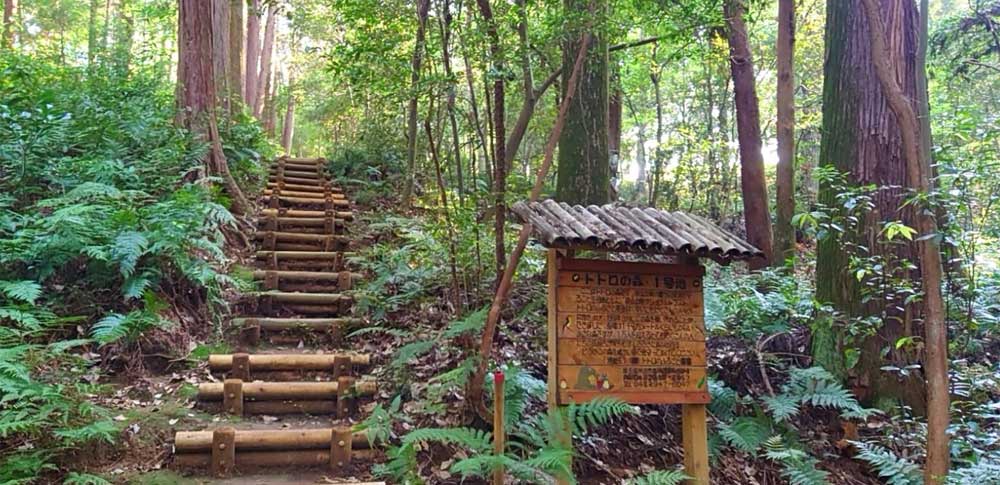
Within the park is a concert hall, said to be the model for the stage where the main characters perform a musical in the work. The expansive grounds are equipped with nature walks and sports facilities, allowing visitors to enjoy a leisurely stroll beyond just the sacred site pilgrimage.
The beauty of each season can be enjoyed—cherry blossoms in spring, fresh greenery in early summer, and autumn foliage in fall. The scenery at dusk is particularly atmospheric, exactly as depicted in the film, drawing many fans for photography.
Access: About 20 minutes by bus from Seibu Chichibu Station, or about 25 minutes by bus from Chichibu Station on the Chichibu Railway
Operating Hours: Always open (varies by facility)
Admission: Free (some facilities charge admission)
Chichibu Shrine
Chichibu Shrine appears in scenes where the main characters visit for New Year’s prayers. With a history of over 2,000 years since its founding, this shrine is cherished by local residents as the chief shrine of the Chichibu region.
The shrine grounds feature a main hall said to have been rebuilt by Tokugawa Ieyasu, with intricate carvings as highlights. Carvings such as the “Dragon of Binding” and “Tiger of Child-Rearing” are must-sees. In December, the Chichibu Night Festival is held, drawing many tourists as one of Japan’s three major float festivals.
Visiting Chichibu Shrine as part of the “Kokosake” sacred site pilgrimage allows you to experience the history and culture of Chichibu.
Access: 3 minutes on foot from Chichibu Station on the Chichibu Railway, 15 minutes on foot from Seibu Chichibu Station
Visiting Hours: Always available
Admission: Free
Chichibu Bridge
Chichibu Bridge is a red bridge spanning the Arakawa River, serving as the stage for an impressive scene in the work. It appears particularly in scenes where the main characters converse and at turning points in the story.
From the bridge, you can see a panoramic view of Chichibu’s mountains and the clear waters of the Arakawa River, making it an excellent photo spot where you can experience the world of “Kokosake.” The scenery at dusk is especially beautiful, evoking scenes from the film.
Near the bridge, nature walks are also developed, allowing visitors to enjoy scenic walks along the river while experiencing Chichibu’s nature.
Access: About 15 minutes on foot from Seibu Chichibu Station
Viewing: Free
Hitsujiyama Park
Hitsujiyama Park is located on a small hill overlooking the Chichibu city area, depicted as a place where the characters visit in the work.
Most notably famous is “Shibazakura Hill,” where in spring, approximately 400,000 moss phlox plants blanket the hillside in color. The colorful carpet created by pink, white, and purple shibazakura is spectacular and has become a spring symbol of Chichibu.
Within the park is also a viewing spot called “Hareyama Hill,” offering panoramic views of Chichibu’s city area and Mt. Bukoh. You can experience the world of “Kokosake” while savoring the natural beauty of Chichibu.
Access: About 20 minutes on foot from Seibu Chichibu Station, or about 20 minutes on foot from Ohanabatake Station on the Chichibu Railway
Park Hours: Always open
Admission: Free (admission charged during moss phlox blooming season)
Chichibu Municipal Hospital Area
The area surrounding Chichibu Municipal Hospital, said to be the model for the hospital depicted in the work, is another sacred site pilgrimage spot. However, as it is an active medical facility, when visiting, please confirm only the exterior quietly.
The atmosphere of the residential neighborhoods nearby is also faithfully reproduced in the work, allowing you to feel the daily lives of the main characters.
Caution: As the hospital is a medical facility, refrain from entering the premises or speaking loudly.
Various Stations on the Chichibu Railway
The stations and trains of the Chichibu Railway appear in the work. In particular, Ohanabatake Station (Shibazakura Station) and Chichibu Station are depicted as the characters’ school routes.
The retro atmosphere of the station buildings and the quiet trains running through rural landscapes are one of the key elements symbolizing the world of “Kokosake.” It’s recommended to actually ride the Chichibu Railway and enjoy the same scenery as the characters in the work.
The Chichibu Railway also operates the SL Paleo Express (on designated operating days), which is popular with train enthusiasts.
Chichibu City Center Shopping Streets
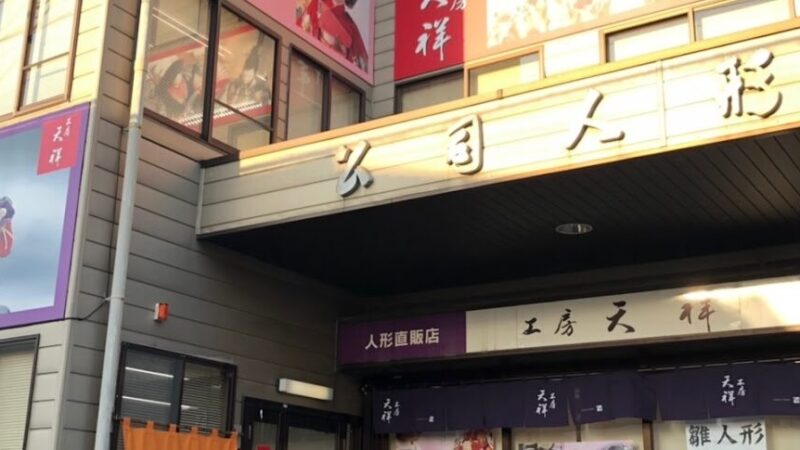
The Chichibu city center retains old-fashioned shopping streets that appear in the work as everyday scenery. Walking through Banba Street or Honmachi Street allows you to feel as if you’ve stepped into the world of “Kokosake.”
There are many local Japanese confectionery shops and restaurants, so you can enjoy Chichibu gourmet food during your sacred site pilgrimage. Be sure to taste Chichibu specialties such as waraji katsudon, Chichibu soba, and miso potato.
Sacred Site Pilgrimage Model Courses
Half-Day Course (approximately 4 hours)
- Arrival at Seibu Chichibu Station (9:00)
- Visit to Chichibu Shrine (9:30-10:00)
- Stroll at Chichibu Bridge (10:15-10:45)
- Lunch in Chichibu City Center (11:00-12:00)
- Hitsujiyama Park (12:30-13:30)
- Departure from Seibu Chichibu Station (14:00)
This course efficiently covers the main sacred sites and is recommended for those making their first sacred site pilgrimage.
Full-Day Course (approximately 8 hours)
- Arrival at Seibu Chichibu Station (9:00)
- Visit to Chichibu Shrine (9:30-10:00)
- Explore Chichibu City Center (10:00-11:00)
- Chichibu Bridge (11:00-11:30)
- Lunch (11:30-12:30)
- Hitsujiyama Park (13:00-14:00)
- Chichibu Muse Park (14:30-16:30)
- Bus or taxi recommended
- Hot springs and souvenir shopping at Seibu Chichibu Station (17:00-18:00)
- Departure from Seibu Chichibu Station (18:30)
With the full-day course, you can leisurely visit Chichibu Muse Park and fully appreciate the world of “Kokosake.”
Overnight Course (1 night, 2 days)
Day 1
- Morning: Arrive at Seibu Chichibu Station and visit sacred sites in the city center
- Afternoon: Chichibu Muse Park
- Evening: Stay at Chichibu hot springs
Day 2
- Morning: Hitsujiyama Park, Chichibu Shrine, etc.
- Afternoon: Travel to the Nagatoro area by Chichibu Railway for sightseeing, or visit Mitsuminé Shrine
With the overnight course, you can enjoy not only the sacred sites of “Kokosake” but also the entire charm of the Chichibu region.
Access Methods and Transportation Information
Access by Train
Using Seibu Railway
- Limited express “Chichibu” from Ikebukuro Station to Seibu Chichibu Station (approximately 80 minutes)
- Rapid train from Ikebukuro Station to Seibu Chichibu Station (approximately 120 minutes)
The Seibu limited express “Chichibu” is a reserved seat train offering comfortable travel. It can be crowded on weekends and holidays, so advance reservations are recommended.
Using JR and Chichibu Railway
- JR Takasaki Line from Ueno Station to Kumagaya Station (approximately 60 minutes)
- Transfer to Chichibu Railway to Chichibu Station or Ohanabatake Station (approximately 70 minutes)
Using the Chichibu Railway route is attractive because you can enjoy pastoral scenery during the journey.
Access by Car
Via Kan-Etsu Expressway
- About 50 minutes from Nerima IC to Hanazono IC
- About 30 minutes from Hanazono IC to Chichibu city center via National Route 140
Via Kanto-do Expressway
- About 60 minutes from Sayama-Hidaka IC to Chichibu city center via National Route 299
Traffic may be congested on weekends and during tourist season, so plan with extra time. There are multiple paid parking lots in Chichibu City, but as major tourist sites are within walking distance, it’s efficient to park near the station and explore on foot.
Transportation Within the City
Bus Routes
The city is served by Seibu Kanko Bus and Chichibu City Buses, connecting to major tourist destinations. Bus use is particularly convenient for accessing Chichibu Muse Park.
Bicycle Rental
Bicycles for rent are available at the Seibu Chichibu Station front tourist information office. Bicycles are convenient for exploring the city center, but electric-assist bicycles are recommended for places like Chichibu Muse Park with many slopes.
Taxi
Taxi stands are available at the station and are convenient when you want to efficiently visit multiple spots.
On Foot
The main sacred sites in the Chichibu city center are within walking distance. Places like Chichibu Shrine, Chichibu Bridge, and Hitsujiyama Park are approximately 15-20 minutes on foot from Seibu Chichibu Station.
Precautions and Etiquette for Sacred Site Pilgrimages
Consideration for Private Property and Residential Areas
The settings for “Kokosake” include general residential areas and private property. Please note the following when doing a sacred site pilgrimage:
- Do not trespass on private property
- Speak quietly in residential areas
- Avoid visiting in early morning or at night
- Do not interfere with residents’ daily lives
- Always take your trash with you
The sacred site pilgrimage is made possible by the understanding and cooperation of local residents. Follow proper etiquette and maintain good relationships with the community.
Photography Precautions
Photography is one of the pleasures of sacred site pilgrimages, but please note:
- Take photos only in places that don’t interfere with traffic
- Be considerate so other tourists and residents don’t appear in your photos
- Avoid photographing in dangerous locations
- Some facilities prohibit photography; check in advance
- If using a tripod, ensure it doesn’t block traffic
Especially at places like Chichibu Bridge with traffic, pay full attention to safety when photographing.
Consideration for Medical Facilities and Educational Institutions
The hospitals and schools depicted in the work are actual operating facilities.
- Absolutely avoid entering the premises
- Confirm only the exterior quietly
- Be considerate so patients and students are not disturbed
- Take photographs from public roads only, not aimed at the facilities
These facilities are not for sacred site pilgrimages but serve important community functions. Exercise maximum consideration.
“Kokosake” Related Events and Initiatives in Chichibu City
Initiatives in Anime Tourism
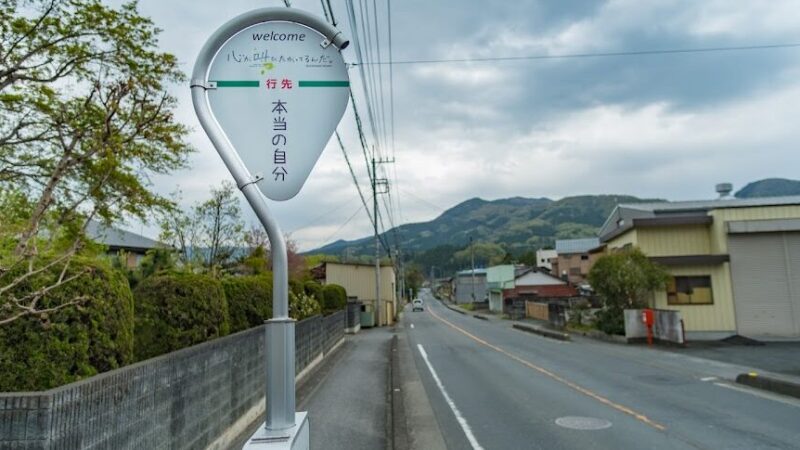
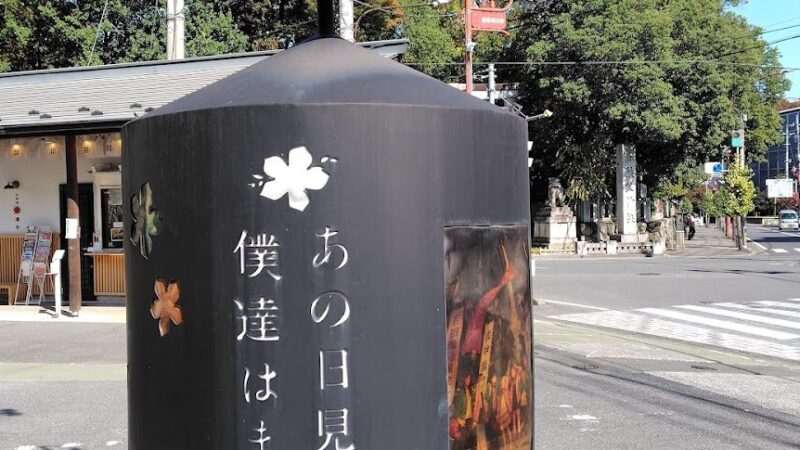
Chichibu City has actively engaged in anime tourism sparked by “Anohana” and “Kokosake.” Anime panels are displayed at various locations throughout the city, and sacred site pilgrimage maps are distributed.
The Seibu Chichibu Station front tourist information office provides information related to “Kokosake” and distributes pilgrimage maps. Staff can advise you on efficient pilgrimage routes and other matters.
Commemorative Events
Special events are sometimes held in Chichibu during film release anniversaries or commemorative occasions. In the past, voice actor talk shows, panel exhibitions, and stamp rallies have been held.
The latest event information can be found on the official website of the Chichibu Tourism Association and Chichibu City’s social media accounts.
Collaboration Products
Shops throughout Chichibu City sell merchandise collaborating with “Kokosake.” Clear files, key chains, postcards, and other products serve as mementos of sacred site pilgrimages.
The Seibu Chichibu Station Nakamise shopping street has stores selling anime merchandise, where you can purchase not only “Kokosake” goods but also “Anohana” related products.
Enjoying Chichibu Tourism Alongside Pilgrimage
Chichibu’s Three Famous Foods
Waraji Katsudon
A signature Chichibu specialty, this dish features two large cutlets arranged like straw sandals. Renowned restaurants include “Yasuda-ya” and “Nosaka” near Chichibu Shrine.
Chichibu Soba
Soba noodles grown in Chichibu’s clean water and cool climate are fragrant and flavorful. Hand-made soba restaurants are scattered throughout the city.
Miso Potato
Steamed potatoes are fried and topped with sweet and spicy miso sauce, a Chichibu local dish beloved by residents as a snack or light meal.
Chichibu Hot Springs
After a tiring walk during your sacred site pilgrimage, refreshing yourself at Chichibu hot springs is recommended. “Matsuri no Yu,” directly connected to Seibu Chichibu Station, is a popular day-use hot spring facility with a food court and souvenir shops.
There are several other day-use hot spring facilities and hot spring inns in Chichibu City, allowing you to stay overnight and enjoy Chichibu leisurely.
Chichibu Night Festival (December 2-3)
If you visit Chichibu in December, the Chichibu Night Festival, one of Japan’s three major float festivals, is a must-see. Lavish floats and palanquins parade through the city streets, and fireworks light the winter sky—a sight to behold.
However, the festival period is extremely crowded, so accommodate reservations should be made early.
Nagatoro Area
By traveling a short distance on the Chichibu Railway, you can enjoy the scenic beauty of Nagatoro Gorge. There are different charms here, including river line boat tours, strolls on scenic rock formations, and visits to Hodosan Shrine.
Mitsuminé Shrine
Located at an elevation of 1,100 meters, Mitsuminé Shrine is known as one of the Kanto region’s premier power spots. While about 1.5 hours from Chichibu city center by bus, it offers a mystical atmosphere and stunning views.
The Best Season for “Kokosake” Sacred Site Pilgrimage
Spring (March-May)
Spring is when Hitsujiyama Park’s moss phlox is in full bloom. The sight of the pink carpet spreading across the hillside coincides with “Kokosake’s” bright and hopeful message.
The mild temperature makes spring ideal for walking-based sacred site pilgrimages. However, early visits are recommended during peak bloom times when crowding increases.
Summer (June-August)
Fresh greenery is beautiful, and walks through Chichibu Muse Park are refreshing. However, afternoon temperatures are warm, requiring heat stroke precautions.
During summer vacation, tourist numbers increase, but weekdays remain relatively quiet for pilgrimage activities.
Autumn (September-November)
Autumn is foliage season, when Chichibu’s mountains turn spectacular colors. The views from Chichibu Muse Park and Hitsujiyama Park are particularly striking with the autumn leaves.
The weather is stable, making autumn one of the most suitable seasons for sacred site pilgrimages. Particularly from October to November, comfortable walks are possible.
Winter (December-February)
Winter in Chichibu gets cold, but the air is clear and scenery is beautifully visible. Particularly, the view from Chichibu Muse Park at dusk has a transparency unique to winter.
The December Chichibu Night Festival is a highlight of Chichibu tourism. Combined with “Kokosake” sacred site pilgrimages, it offers a valuable opportunity to experience traditional festivals.
Souvenir and Merchandise Information
“Kokosake” Related Merchandise
Along the Seibu Chichibu Station Nakamise shopping street and in souvenir shops throughout the city, original “Kokosake” merchandise is sold.
- Clear files
- Postcards
- Key chains
- Stickers
- Tin badges
These products are popular as mementos of sacred site pilgrimages.
Traditional Chichibu Souvenirs
Beyond “Kokosake” goods, Chichibu-specific souvenirs are recommended.
Chichibu Confectioneries
- Chichibu Mochi: Representative sweets of Chichibu
- Chichibu Karinto: Popular simple-flavored fried dough
- Chichibu Maple Syrup: Rare product made from Chichibu maple
Local Sake
Chichibu has Japanese sake brands like Bukou Masamune and Chichibu Nishiki, brewed with Chichibu’s renowned water. Chichibu whiskey has also recently gained attention.
Chichibu Textiles
Small items made from Chichibu chirimen, a traditional silk fabric, are also popular souvenirs.
“Kokosake” and Chichibu’s Future
Years have passed since “Kokosake’s” release, yet many fans continue to visit Chichibu. The universal message the work carries, combined with Chichibu’s appeal, makes it a sustainable tourism resource rather than a temporary boom.
Chichibu City positions anime tourism as an important pillar of regional revitalization and continues active initiatives. People who visit Chichibu prompted by sacred site pilgrimages discover multiple facets of Chichibu’s charm—its nature, history, culture, and gourmet—and increasingly become repeat visitors.
“Kokosake” is a story about protagonists facing their own hearts and regaining their words. Visiting Chichibu, the story’s setting, may provide an opportunity to understand the work more deeply and to face yourself.
Summary: Rediscover Chichibu’s Charm Through “Kokosake” Sacred Site Pilgrimage
Chichibu City, Saitama Prefecture, the sacred site of “Kokoro ga Sakebitagatterunda,” allows you to experience the work’s world while discovering the region’s abundant nature, history, culture, and gourmet—treasures of varied charm.
By visiting actual locations from the work such as Chichibu Muse Park, Chichibu Shrine, Chichibu Bridge, and Hitsujiyama Park, you can savor the story more deeply. The convenient access of approximately two hours from central Tokyo makes it ideal for sacred site pilgrimages.
When undertaking your sacred site pilgrimage, remember consideration for local residents and proper etiquette while fully enjoying Chichibu’s charm. While immersed in the world of “Kokosake,” a special experience available only in Chichibu awaits you.
Chichibu showcases different faces through each season—spring’s moss phlox, summer’s fresh greenery, autumn’s foliage, and winter’s clear skies. A destination with fresh discoveries on each visit, such is Chichibu’s alluring charm. Please confirm the setting of “Kokosake” with your own eyes and rediscover Chichibu’s appeal.