SHIROBAKO Musashisakai, Tokyo Complete Guide: Comprehensive Explanation of All Sacred Sites
SHIROBAKO, a masterpiece depicting the behind-the-scenes of the animation industry. The main stage of the story is the Musashisakai area in Musashino City, Tokyo. This article thoroughly explains all the essential spots for sacred site pilgrimages, including the headquarters of Musashino Animation that appeared in the work, the shopping streets where characters walked daily, and the restaurants they frequented.
The Relationship Between SHIROBAKO and Musashisakai
“SHIROBAKO” is an anime production by P.A.WORKS set in the animation industry, which aired from October 2014 to March 2015. It depicts five female protagonists, including the main character Aoi Miyamori, each involved in anime production from their respective positions.
The anime production company in the work, “Musashino Animation,” is set at the address “Kitamachi, Sakai, Musashino City, Tokyo,” and the actual Musashisakai area is faithfully depicted. Located about 20 minutes from Shinjuku on the JR Chuo Line, Musashisakai is known as the station next to Kichijoji and features a blend of quiet residential areas and shopping streets.
The actual model for the animation production company is the real company Actus (Momoi, Suginami Ward, Tokyo), but as the setting in the work, the Musashisakai area is the center, with many scenes featuring real landscapes.
Musashisakai Station and Access
Overview of JR Chuo Line Musashisakai Station
Musashisakai Station is a rapid-stop station on the JR Chuo Line, accessible in approximately 20 minutes from Shinjuku and approximately 40 minutes from Tokyo Station. It is located in the “Sakai” address section of Musashino City, Tokyo, with Kichijoji to the east and Higashi-Koganei to the west.
The station is elevated, with the current station building completed in 2009. In the work, the platform and station plaza are depicted multiple times in scenes of characters commuting.
Connection with Seibu Tamagawa Line
Musashisakai Station connects the JR Chuo Line with the Seibu Tamagawa Line. The Seibu Tamagawa Line is a local line starting from Musashisakai Station and connecting to Zaseishi Station, appearing frequently in the work. Particularly in Episode 6, a scene depicting the movement from the Musashisakai Station platform to the Seibu Line platform is shown, allowing visitors to confirm both station interiors during pilgrimages.
Characteristics Around the Station
Musashisakai Station is divided into north and south exits, each with different atmospheres. The north exit features commercial areas centered on “Skip Dori” shopping street, while the south exit has cultural facilities such as Musashino Place, creating a calm atmosphere.
The station building “Emio Musashisakai” also appears in the work, depicted as the station’s landscape in Episode 6. The building continues to operate as it did then, serving as a rest spot during sacred site pilgrimages.
Skip Dori: Representative Sacred Site of SHIROBAKO
Overview and History of Skip Dori
Skip Dori is a shopping street that opens directly in front of the north exit of Musashisakai Station. Its official name is “Musashisakai Station North Exit Shopping Street,” but locally it is affectionately known as “Skip Dori.” The approximately 300-meter street features approximately 80 stores including restaurants, accessory shops, and bookstores.
The name “Skip” is a coined term combining “Skip” and “Sukippui” (loving it), conveying the meaning of a fun shopping street to walk through. Although there is no arcade, the street is beloved by local residents for its wide path and walkability.
Appearances in the Work
Skip Dori is one of the most frequently appearing locations in SHIROBAKO. It is depicted multiple times as a everyday landscape, such as when Musashino Animation employees go out for lunch or shopping, or when they walk after work.
Particularly impressive is the scene where Aoi Miyamori runs about as a production assistant. The straight road extending from the entrance of the shopping street to the back, shop signs lined on both sides, and street trees are all faithfully recreated from actual scenery.
Current Skip Dori
Since 2020, as a collaboration project between Musashino City and SHIROBAKO, design manhole covers have been installed around Skip Dori. Manhole covers designed with the characters have attracted attention as new spots for sacred site pilgrimages.
The shopping street itself remains largely unchanged from the time of broadcast, with many stores that appeared in the work still operating. However, some stores have changed hands, so it is recommended to check for the latest information when visiting for a pilgrimage.
Model Site of Musashino Animation Headquarters
Musashino Fire Station Sakai Outpost
The location where the Musashino Animation headquarters building is depicted in the work is actually where the “Musashino Fire Station Sakai Outpost” is located. It is approximately 10 minutes on foot from the north exit of Musashisakai Station via Skip Dori.
While the building’s exterior differs from the work, the surrounding roads, intersection layout, and adjacent buildings are faithfully recreated. Due to the nature of a fire station, the interior cannot be visited, but viewing the exterior allows one to feel the atmosphere of the work.
Surrounding Landscape
The area around Musashino Fire Station Sakai Outpost is a mix of residential areas and small commercial facilities. Many everyday scenes appear in the work, such as the commute route employees walk, nearby intersections, and bus stops.
Particularly, the Sakura Bridge intersection on Musashisakai Street is an important location appearing in Episode 1 and several other episodes. The landscape viewed from the south in front of the Tokyo Metropolitan Waterworks Bureau Sakai Purification Plant is depicted in the work, and the scenery remains unchanged today.
Relationship with the Actual Actus Headquarters
As mentioned earlier, the actual model for Musashino Animation is Actus in Momoi, Suginami Ward. Under a cooperative relationship between P.A.WORKS and Actus, the atmosphere of the actual animation production site is reflected in the work.
However, since Musashisakai was chosen as the setting, the exterior of buildings and surrounding environment use real locations in the Musashisakai area. This separation of “model company” and “setting location” is a characteristic element in SHIROBAKO sacred site pilgrimages.
Food and Beverage Spots Featured in the Work
Patisserie Ulson Musashisakai Branch
The cake shop where Yutaka Honda works as depicted is “Patisserie Ulson Musashisakai Branch.” It is a real pastry shop located at Sakai 2-23-8, Musashino City, Tokyo, approximately 5 minutes on foot from the north exit of Musashisakai Station.
In the work, Yutaka Honda is shown working part-time, and the store’s exterior and interior are faithfully recreated. At the actual store, one can purchase pastries and bread, making it a popular rest spot during sacred site pilgrimages.
Ulson is a long-beloved pastry shop in the local area, with abundant limited seasonal products. Since SHIROBAKO’s broadcast, fan visits have increased, and product offerings reflecting the work’s connection are sometimes provided.
Musashisakai Tsubasa-ya (Ramen Shop)
The ramen shop visited by Taro Takanashi and other production staff in Episode 2 is “Tsubasa-ya.” It is a real ramen shop near Musashisakai Station, operating late into the night, so it is depicted in the work as a place where employees stop by on their way home from work.
The store’s exterior, counter seating arrangement, and menu are all faithfully recreated in detail, making it a must-see spot for ramen-loving fans. By actually visiting and ordering the same menu as the characters in the work, one can achieve a deeper immersive experience.
Tonkotsu-style ramen served at this establishment features rich broth and thick noodles, providing the perfect hearty meal for staff working at animation production sites deep into the night.
Sakai-tei (Izakaya)
The izakaya where employees hold wrap-up parties and drinking gatherings in the work is “Sakai-tei.” It is a real izakaya near Musashisakai Station, characterized by a homey atmosphere.
It appears in Episode 4 and several other episodes, depicted in scenes that deepen team bonds and celebrate project milestones. The seating arrangement and decoration inside the shop are also recreated in the work, and it is recommended to make a reservation and visit during a pilgrimage.
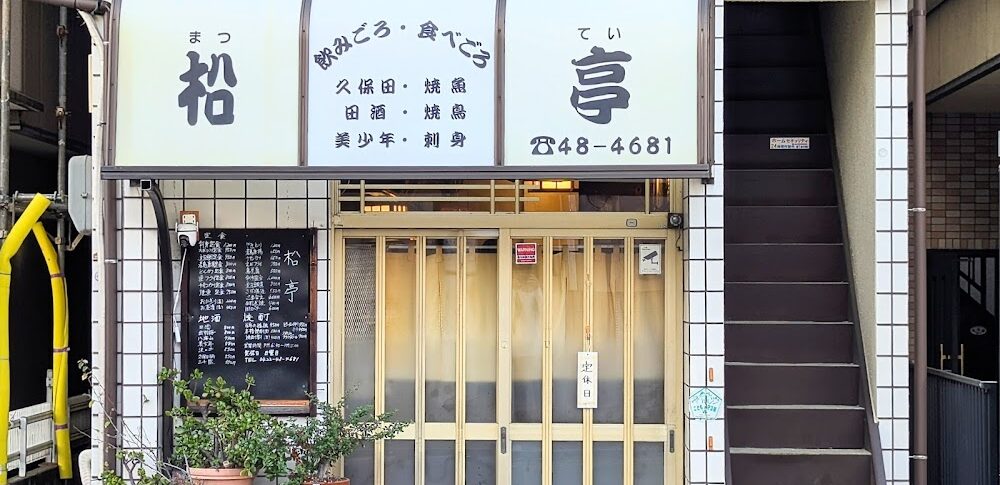
Matsu-tei – Kichijoji
The restaurant where Shizuka Sakaki, a new voice actress, works part-time, “Matsu-tei,” actually exists at Kichijoji Minami-cho 5-1-3, Musashino City, Tokyo. The nearest station is Kichijoji, one stop on the Chuo Line from Musashisakai.
In the work, Shizuka’s customer service and her worries about voice acting work are depicted. The actual establishment is a calm Japanese restaurant, making it a worthwhile stop during Kichijoji area pilgrimages.
Musashino Place and Kyounan Fureai Hiroba Park
Overview of Musashino Place
“Musashino Place,” located approximately 1 minute on foot from the south exit of Musashisakai Station, is a complex facility with four functions: library, lifelong learning support, citizen activity support, and youth activity support. It opened in 2011 as a relatively new facility and is known for its beautiful architectural design.
In the work, the exterior appears in Episode 13 and several other episodes. The distinctive building design is depicted as Musashisakai’s new landmark, serving as an element expressing the atmosphere of a modern city.
Kyounan Fureai Hiroba Park
“Kyounan Fureai Hiroba Park,” adjacent to Musashino Place, also appears in the work. The park features a spacious lawn plaza and play equipment area, serving as a gathering place for local residents.
In the work, it is depicted in scenes where characters rest or hold meetings. As Musashisakai’s south side’s representative open space, it is ideal as a rest spot during sacred site pilgrimages.
Characteristics of the South Exit Area
The south exit area of Musashisakai Station, in contrast to the north exit shopping street, features cultural facilities and parks, creating a calm atmosphere. Musashino Place’s library functions are well-equipped, with abundant materials on anime and manga, allowing one to search for SHIROBAKO-related materials.
Sacred Sites in the Kichijoji Area
The Relationship Between Kichijoji and SHIROBAKO
Kichijoji, the next station to Musashisakai, is also an important stage for SHIROBAKO. Located one station on the Chuo Line and approximately 20 minutes on foot, Kichijoji is known as a representative commercial district in Tokyo’s west.
In the work, it appears in various scenes, such as characters visiting for shopping and eating, and voice actor audition venues. By conducting sacred site pilgrimages combining Musashisakai and Kichijoji, one can have a more fulfilling experience.
Around Kichijoji Station
The area around Kichijoji Station is a bustling district densely packed with commercial facilities. Multiple scenes depicting Kichijoji appear in the work, such as the station’s roundabout and shopping street entrances.
Particularly in Episode 4, many Kichijoji shots appear, with characters’ walks through the city depicted in detail. Shopping streets like Sunroad and Diamond-gai, roads leading toward Inokashira Park, and other actual geographical relationships are faithfully recreated.
Inokashira Park
Inokashira Onshi Park, spanning Mitaka and Musashino cities, is an important location appearing in the work. In Episode 4, the park’s pond and walking paths are depicted, showing characters strolling through the park.
Inokashira Park is known as one of Tokyo’s premier cherry blossom viewing spots, attracting many flower-viewing visitors in spring. In the work, it is effectively used as background to express seasonality.
Other Featured Spots
Swing Road
“Swing Road,” another shopping street near Musashisakai Station, also appears in the work. Positioned parallel to Skip Dori, this shopping street features stores closely connected to local life.
In the work, it is depicted in scenes where characters use it as their commute route or visit for shopping. While it doesn’t appear as frequently as Skip Dori, it is a spot where one can feel Musashisakai’s everyday atmosphere.
Musashino Fishing Center
Featured in Episode 19, the fishing pond that appears in the work is modeled after “Musashino Fishing Center.” Located a bit away from Musashisakai Station, it is depicted as an important location in the work.
The scene where characters enjoy fishing is one of the most memorable scenes in the work, expressing the charm of fishing as a daily respite. The actual facility continues to operate, making it a worthwhile spot for fishing-loving fans to visit.
Japan Air Self-Defense Force Hamamatsu Public Relations Center (Air Park)
As a new stage appearing in Episode 13, the “Japan Air Self-Defense Force Hamamatsu Public Relations Center (Air Park)” in Hamamatsu City, Shizuoka Prefecture, exists. Though far from Musashisakai, it becomes the stage for an important episode.
The actual facility, open to the public, features aircraft displays and flight simulator experiences, allowing visitors to learn about the Air Self-Defense Force’s activities. As an advanced SHIROBAKO pilgrimage, it is worthwhile to venture there.
Practical Guide for Sacred Site Pilgrimages
Recommended Pilgrimage Routes
Sacred site pilgrimages in the Musashisakai area can be completed in half a day to a full day starting from Musashisakai Station. The following proposes an efficient pilgrimage route.
Morning Route:
- Arrival at JR Musashisakai Station (using Chuo Line express)
- Confirmation of station interior and platform (including Seibu Tamagawa Line platform)
- Confirmation of Emio Musashisakai exterior
- Heading to Skip Dori from the north exit
- Strolling through Skip Dori (searching for SHIROBAKO manhole covers)
- Musashino Fire Station Sakai Outpost (Musashino Animation model site)
- Musashisakai Street and Sakura Bridge intersection
Afternoon Route:
- Purchasing cake at Patisserie Ulson Musashisakai Branch
- Lunch at Musashisakai Tsubasa-ya
- Moving to the south exit
- Musashino Place and Kyounan Fureai Hiroba Park
- Moving to Kichijoji on the Chuo Line (one station)
- Exploring around Kichijoji Station and shopping streets
- Inokashira Park (if time allows)
Precautions During Pilgrimage
When conducting sacred site pilgrimages, please note the following:
Manners in Residential Areas: The area around Musashino Fire Station Sakai Outpost is a residential neighborhood. Avoid loud conversations and extended stays, being considerate of neighboring residents.
Photography Consideration: When photographing shops or facilities, be careful not to interfere with business and, if possible, ask staff before photographing.
Fire Station Characteristics: Musashino Fire Station Sakai Outpost is an actual operating fire facility. Maintain adequate distance to avoid obstructing emergency vehicles.
Confirmation of Business Hours: Restaurants and shops may have changed holidays or operating hours. It is recommended to check the latest information before visiting.
Necessary Items and Preparation
Items and preparation to enhance sacred site pilgrimage experiences:
- Work Materials: Saving screenshots of scenes from the work on a smartphone or tablet makes comparisons at the site easier.
- Map Application: Pre-marking main spots on map applications like Google Maps enables more efficient route navigation.
- Camera: Having a digital SLR or mirrorless camera allows for higher-quality documentation photography.
- Comfortable Walking Shoes: Since pilgrimage focus on walking, choose comfortable shoes.
- Beverages: Especially in summer, frequent hydration is necessary to prevent heat stroke.
SHIROBAKO Manhole Project
Background of Manhole Installation
In October 2020, design manhole covers were installed around Musashisakai Station as a collaboration project between Musashino City and SHIROBAKO. This initiative was implemented to strengthen the work’s connection to the region and create new attractions for sacred site pilgrimages.
Musashino City actively pursues regional development using content such as anime and manga, with the SHIROBAKO manhole project representing one such effort.
Locations and Types of Manholes
SHIROBAKO manholes are installed at multiple locations around Musashisakai Station. Primary installation locations are as follows:
- Near the southern end of Skip Dori
- Central part of Skip Dori
- North exit plaza of Musashisakai Station
Each manhole features illustrations of main characters, offering colorful, photogenic finishes. Manhole card distributions have been conducted, making these spots appealing to collectors.
Tips for Manhole Touring
Points for efficiently conducting manhole tours:
- Watch the Ground While Walking: Since manholes are installed on the ground, attention must be paid to the floor while walking.
- Time of Day Selection: Daytime with good lighting makes designs clearer and better for photography.
- Social Media Information Sharing: Searching hashtags like “#SHIROBAKOManhole” on Twitter (X) and Instagram provides the latest installation location information.
SHIROBAKO Movie and Musashisakai
Movie Release and Reception
The theatrical version “SHIROBAKO,” released February 29, 2020, also depicts the Musashisakai area as an important stage. Depicting the world four years after the TV series, the theatrical version shows grown characters again facing new projects at Musashino Animation.
The theatrical version also features Musashisakai’s scenery, including Skip Dori, offering fans both nostalgia and freshness. Fan visits to sacred sites have continued to increase following the theatrical release.
New Sacred Sites
The theatrical version depicts new spots not appearing in the TV series. As time progresses and the Musashisakai cityscape changes, new elements for sacred site pilgrimages emerge, including new character activity centers.
Viewing the theatrical version before conducting pilgrimages allows for deeper understanding and emotion. Observing Musashisakai from both the TV series and theatrical version perspectives heightens immersion in the work’s world.
Community and Fan Interaction
Musashino City’s Initiatives
Musashino City actively utilizes SHIROBAKO as a regional resource. Beyond the manhole project, various initiatives occur, including distribution of pilgrimage maps at the city’s tourism information office and regional event collaborations.
Local shopping streets also welcome SHIROBAKO sacred site pilgrimages, with some shops providing work-related goods and information. The positive relationship between the community and fans makes Musashisakai’s pilgrimage appeal distinctive.
Fan Events and Interaction
The SHIROBAKO fan community is active, with regular off-meetings and pilgrimage tours. Information exchange through SNS is vigorous, sharing new discoveries and information about changed locations.
Especially on work anniversaries and character birthdays, many fans visit Musashisakai, enjoying the work in their own ways. Interaction between fans represents one of pilgrimage’s greatest appeals.
Surrounding Accommodation and Access Information
Accommodation Facilities
Large hotels are scarce in the Musashisakai area, but numerous accommodations exist in neighboring Kichijoji and several stations away in Shinjuku and Tokyo directions on the Chuo Line. Visitors from distant areas typically stay in these areas and visit Musashisakai during daytime.
Recommended Accommodation Areas:
- Kichijoji: One station from Musashisakai, within walking distance
- Shinjuku: About 20 minutes on Chuo Line express, abundant accommodations
- Around Tokyo Station: About 40 minutes on Chuo Line, convenient as a tourism base
Transportation Access
Train Access:
- From Shinjuku Station: About 20 minutes on JR Chuo Line express
- From Tokyo Station: About 40 minutes on JR Chuo Line express
- From Haneda Airport: About 90 minutes combining Keikyuu Line, Yamanote Line, and Chuo Line
- From Narita Airport: About 120 minutes combining Narita Express and Chuo Line
Car Access:
Paid parking lots exist around Musashisakai Station, but spaces are limited. Public transportation use is recommended.
Conclusion: Charm of SHIROBAKO and Musashisakai
Musashisakai in Tokyo, the stage for SHIROBAKO, is a charming sacred site where one can feel the atmosphere of animation production. With diverse spots like Skip Dori shopping street, the Musashino Animation headquarters model site, and restaurants appearing in the work concentrated within walking distance, one can enjoy sacred site pilgrimages efficiently.
Musashisakai, conveniently located next to Kichijoji, maintains a calm atmosphere. The everyday scenes depicted in the work remain largely unchanged, and actually walking the paths the characters walked allows deeper understanding and empathy with the work’s world.
The positive relationship between the community and fans, ongoing collaboration projects, and love for the work make Musashisakai something beyond a mere filming location. For SHIROBAKO fans, sacred site pilgrimages to Musashisakai represent essential experiences for deeper work appreciation.
SHIROBAKO, depicting animation production’s passion and hardship and bonds between colleagues, has a message that resonates more deeply upon visiting Musashisakai. Please use this article as reference in planning Musashisakai sacred site pilgrimages.