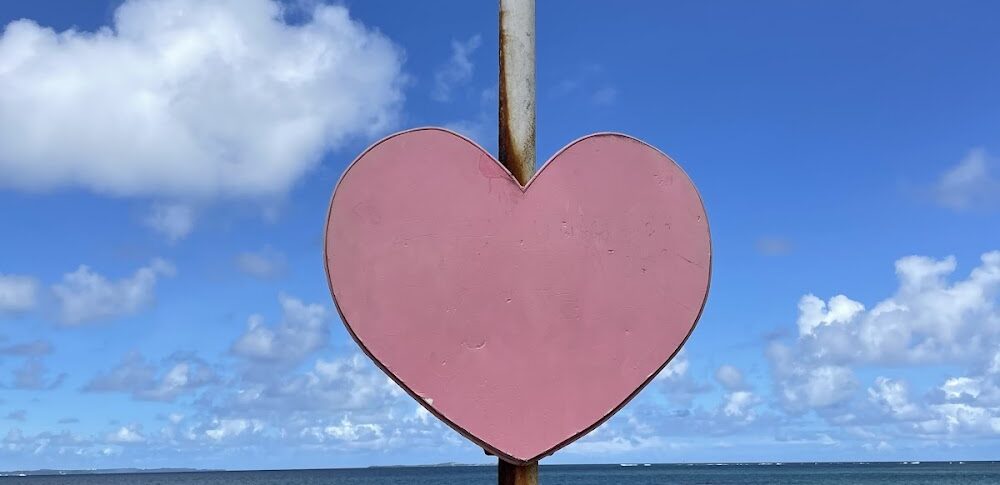
About “Aquatope on White Sand”
“Aquatope on White Sand” is an original anime produced by P.A.WORKS that aired for all 24 episodes from July to December 2021. Set against the backdrop of Okinawa’s beautiful sea and an aquarium, it is a coming-of-age ensemble drama depicting the growth of two girls: Miyazawa Fuka, a former idol who fled from Tokyo, and Kaisaki Kukuru, who is trying to protect an aquarium in Okinawa.
The greatest appeal of this work is its beautiful depiction of landscapes centered around the real Nanjo City, Okinawa Prefecture. Through its transparent background art and detailed expressions of marine life, it draws viewers into the world of Okinawa’s nature and culture. The locations that serve as the stage for the anime can actually be visited, and many fans have come on pilgrimage tours to these sacred sites.
Plot Summary
Miyazawa Fuka, who was active as an idol in Tokyo, escapes to Okinawa following a sudden setback. There she meets Kaisaki Kukuru, who works at a small aquarium called “Gamagama Aquarium” facing closure. Kukuru, with passion for the aquarium, and Fuka, seeking a place to belong, gradually deepen their bond.
The first half of the story depicts the two girls’ efforts to save Gamagama Aquarium. In the latter half, set at a new large-scale aquarium called “Aquarium Tingara,” their growth is carefully depicted as they face their individual dreams and reality.
[Sacred Site Pilgrimage] What are the locations in Okinawa’s Nanjo City featured in Aquatope on White Sand?
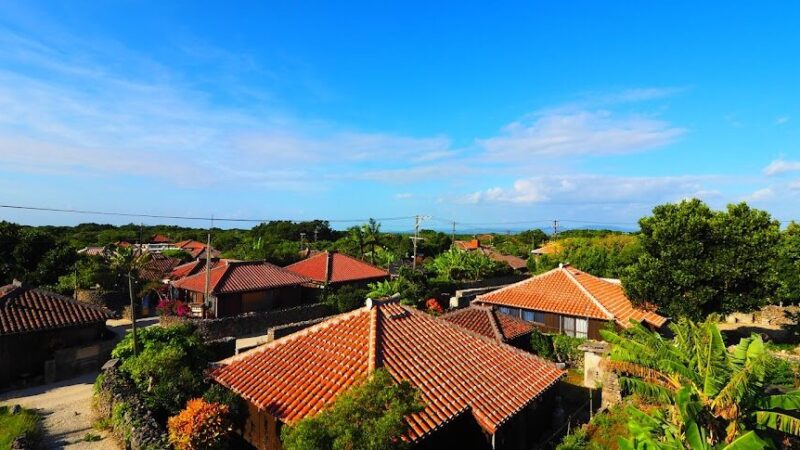
Nanjo City, Okinawa Prefecture, is the main setting for this work. Born from the merger of four towns and villages in 2006, it is a relatively new city located in the southern part of Okinawa Island. It has a beautiful coastline, rich nature, and numerous historically sacred sites continuing from the Ryukyu Kingdom era.
The specific location that served as the model for the fictional “Gamagama Aquarium” in the anime has not been identified, but many coastal landscapes of Nanjo City and tourist attractions scattered throughout the region appear in the work. While Nanjo City does not have a large-scale aquarium, its simple and beautiful seaside scenery forms the world view of the work.
Sacred Site 1 in Aquatope on White Sand: Azama Sunsan Beach
Azama Sunsan Beach is an important sacred site that appears most frequently in the work. It is the place where Kukuru and Fuka first meet in Episode 1, and it is a location where numerous symbolic scenes of the story were filmed.
Beach Characteristics and Highlights
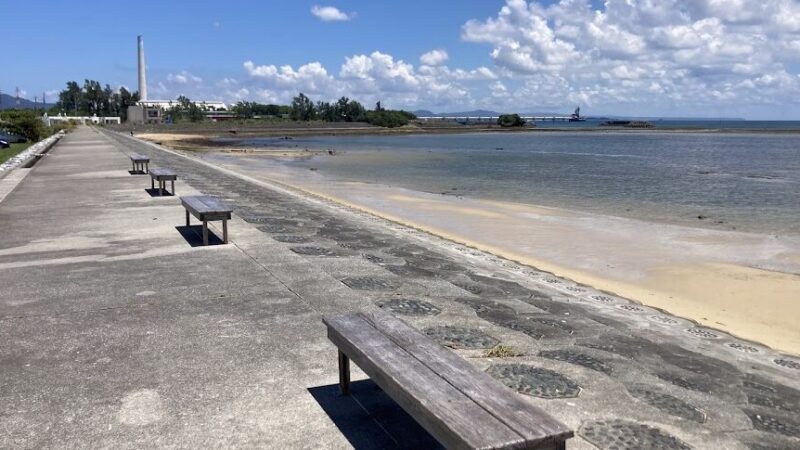
The actual Azama Sunsan Beach is an artificial beach located in Chinen, Aza Aza, Nanjo City. It is characterized by white sand and highly transparent emerald green water, making it a popular swimming beach among local residents. The beach has facilities depicted in the anime, such as a gazebo and swings, which actually exist, allowing for photography at the same angles.
In the work, it is depicted as a place of memories where Kukuru has frequented since childhood, and it becomes the setting for important conversation scenes with Fuka. In particular, the view from the gazebo remains as an impressive cut in many fans’ memories of the anime.
Access
From Naha Airport, it is about 40 minutes by car. From Naha Bus Terminal, take a route bus (No. 38 or 50 Shikiya Line) and get off at “Azama Sunsan Beach Entrance,” then walk about 10 minutes. The parking lot is paid, 500 yen during summer season (April-October) and free in winter.
Sacred Site 2 in Aquatope on White Sand: Nirai Kanai Bridge (National Route 331)
Nirai Kanai Bridge is a bridge approximately 1.2 km long on National Route 331 in Nanjo City, Okinawa, and it is a symbolic location that appears repeatedly in the anime’s opening sequence and main episodes.
The Bridge’s Charm and Photography Points
This elevated bridge connects two tunnels called Nirai Bridge and Kanai Bridge, offering a panoramic view of the Pacific Ocean from a height of approximately 80 meters above sea level. In the work, it serves as the setting for an impressive scene of Kukuru commuting by motorcycle and a moment where Fuka is moved by Okinawa’s beauty.
There is an observation platform below the bridge from which you can see the entire bridge and the sea. To photograph the same angle as the anime, photography from this observation platform is recommended. Particularly on clear days, the contrast between the blue sea and sky is spectacular, allowing one to truly appreciate the beautiful background art of the anime.
Notes When Visiting
Parking is prohibited on the bridge, so be sure to use the observation platform’s parking lot below. Access to the observation platform is achieved by turning around after crossing the bridge. The road has many curves, so careful driving is necessary.
Sacred Site 3 in Aquatope on White Sand: Hyakumei Beach and Yahara Zukasa Area
Hyakumei Beach is a natural beach in Tamaki, Hyakumei, Nanjo City, and it serves as the setting for important scenes in the work. In particular, the rocky area called Yahara Zukasa was the site of an impressive scene.
Beach Characteristics
Hyakumei Beach is an undeveloped natural beach where local residents visit for a quiet seaside experience. At low tide, you can walk out to offshore areas and observe marine life in tide pools. This natural atmosphere matches well with the world of Gamagama Aquarium.
Yahara Zukasa is a sacred site from Ryukyuan creation mythology, said to be the place where Amamikyo, the creator god of Ryukyu, descended. In the work as well, this sacred atmosphere is depicted as an important element of the story.
Access and Precautions
It is about a 15-minute walk from Hyakumei Bus Terminal. Since parking is limited, public transportation is recommended. The path down to the beach is not fully developed in some places, so wearing comfortable walking shoes is essential. Also, remembering that this is a sacred site, visit with appropriate respect.
Sacred Site 4 in Aquatope on White Sand: Hyakumei Bus Terminal
Hyakumei Bus Terminal is the place where Fuka first arrives in Nanjo City as depicted in the work. Though a small bus stop, it is an important sacred site symbolizing the beginning of the story.
The Bus Terminal Atmosphere
The actual Hyakumei Bus Terminal is just a small bus stop with a simple waiting area. However, the benches and surrounding scenery that appeared in the anime actually exist, allowing you to recall the scene of Fuka sitting there with an anxious expression.
The area around the bus terminal is a residential neighborhood with the everyday scenery of Okinawa spreading out. This very ordinary everyday landscape symbolizes the beginning of a new world for Fuka, who fled from Tokyo.
Bus Route Information
From Naha Bus Terminal, take the No. 38 or 50 Shikiya Line for about 1 hour. With only 1-2 buses per hour, checking the timetable in advance is recommended. Using the bus schedule as a basis for planning your sacred site pilgrimage tour will be efficient.
Chinen Cape Park
Chinen Cape Park is a spectacular scenic spot with a panoramic view of the Pacific Ocean, and it appears in multiple scenes in the work. Located at the eastern end of Nanjo City, it is an observation park from which Takao Island can be seen.
Park Attractions
The park has an observation platform from which the horizon and blue sea are exactly like the beautiful background art of the anime. In the work, it serves as the setting for scenes where characters discuss their futures and sort out their feelings.
The park is free and open 24 hours. It is especially beautiful during sunrise and sunset hours. Beyond anime fans, it has become popular with local residents and tourists alike.
Nearby Facilities
Near the park is Seifa Utaki. As the highest sacred site of the Ryukyu Kingdom and registered as a World Heritage Site, this location also appears in the work as a setting bearing important significance. If you have time, it is recommended to visit it as well.
Kude Takei Beach
Kude Takei Beach is a quiet beach in Tamaki, Okutake, Nanjo City, appearing in the work as the setting for casual everyday scenes. With few tourists, it is a place where you can feel the local atmosphere.
Beach Characteristics
Though smaller in scale compared to Azama Sunsan Beach, it is a beautifully maintained beach in its natural state. In the work, it is used in scenes where characters observe marine life and visit during breaks from work.
At low tide, you can play in the rocky areas and actually observe small fish and crabs. This experience offers a valuable opportunity to re-experience the everyday lives of the characters who work at the aquarium.
Sacred Sites in Naha City
In the latter half of the story, many scenes within Naha City appear. In particular, the model for the new aquarium “Aquarium Tingara” is the Churaumi Aquarium (Motobu Town), but everyday landscapes in Naha City also serve as important settings.
International Street
International Street is a 1.6 km long street in the center of Naha City, known as the “Miracle of One Mile,” and is a famous tourist spot. In the work, it appears in scenes where Fuka and Kukuru shop and walk through the city.
The actual International Street is lined with souvenir shops and restaurants where one can feel Okinawa’s culture. While specific shops featured in the anime have not been identified, the street’s atmosphere is faithfully recreated.
Naha Bus Terminal
Naha Bus Terminal is a major transit hub for route buses on Okinawa Island. In the work, it appears as an important transportation hub where characters travel between Nanjo City and Naha City.
The waiting area and bus platform scenery inside the terminal are faithfully recreated in the anime, making it worthwhile to visit as either a starting point or end point for sacred site pilgrimage tours. Since route buses to Nanjo City also depart from here, it is also important in practical terms.
Naha Airport
Naha Airport appears in Episode 1 as the place where Fuka arrives from Tokyo to Okinawa. The airport’s exterior and the arrival lobby are depicted, symbolizing Fuka’s mixed feelings of anxiety and hope.
Motobu Town and Churaumi Aquarium Area
The “Aquarium Tingara” that becomes the setting for the latter half of the story is modeled after the Okinawa Churaumi Aquarium in Motobu Town in the northern part of Okinawa Island. With a world-class main tank called “Kuroshio Sea,” it is one of Japan’s premier aquariums, and many of the aquarium scenes in the work were drawn with reference to it.
Churaumi Aquarium
Churaumi Aquarium is a large aquarium within the Ocean Expo Park, famous for its large tank where whale sharks and manta rays swim. In the work, it is depicted as the aquarium where Kukuru and Fuka work at their new workplace.
While the actual Churaumi Aquarium differs from the facility’s layout and exhibits depicted in the anime, the aquarium’s atmosphere and love for marine life overlap with the work’s world view. It is worthwhile to visit to deepen understanding of the profession of aquarium caretaker.
Bise Fukugi Tree-Lined Avenue
Near Churaumi Aquarium is Bise Fukugi Tree-Lined Avenue, which serves as the setting for scenes where characters stroll in the work. This beautiful village is lined with fukugi trees several hundred years old and allows you to feel Okinawa’s traditional scenery.
Cape Kahou (Nuchimasu Tourism Salt Manufacturing Factory)
Cape Kahou is a scenic spot in Uruma City with the meaning “Cape of Happiness.” It appears in the work’s later episodes and is depicted as a place symbolizing the emotional turning point of the characters.
The view of the Pacific Ocean from the approximately 120-meter-high cliff is spectacular, and the contrast between the emerald green sea and white sandy beach is beautiful. It is located within the Nuchimasu Tourism Salt Manufacturing Factory premises, where salt making can be observed.
Seifa Utaki
Seifa Utaki is the highest sacred site of the Ryukyu Kingdom era and is registered as a World Heritage Site. In the work, it holds important significance as a place symbolizing Okinawa’s spirituality and history.
Significance as a Sacred Site
It is the place where state rituals of the Ryukyu Kingdom were held, particularly the installation ceremony of the “Kikoe-Okimi,” a female high priestess. In the work, it appears in scenes where Kukuru contemplates her roots and Okinawa’s culture, embodying the work’s theme of “connections between places and people.”
Visiting Etiquette
It remains a place revered by local residents as a sacred site. When visiting, avoid wearing revealing clothing and observe quiet viewing behavior. Admission is 300 yen for adults, and guided tours are also available.
Traditional Culture of Nanjo City, Okinawa
Nanjo City is a region with rich traditional culture continuing from the Ryukyu Kingdom era. To deeply understand the work, it is also important to know the cultural background of this region.
Ryukyu Glass
Ryukyu glass workshops are scattered around Nanjo City. Beginning after the war with the recycling of discarded bottles from military bases, Ryukyu glass has become a representative traditional craft of Okinawa. The work also contains references to local traditional crafts, expressing Okinawa’s cultural richness.
Eisa
Eisa, a traditional performance art of Okinawa, is performed in various places during the Okinawan lunar mid-August festival. Nanjo City also has its own unique Eisa for each community, appearing in the work’s festival scenes. The powerful drumming and dancing evoke the life force of Okinawan people.
Ryukyuan Cuisine
Okinawa Prefecture, including Nanjo City, has developed its own food culture. Goya champloo, soki soba, sata andagi, and other dishes appear in scenes where characters eat in the work. When on sacred site pilgrimage, trying local flavors at neighborhood eateries is also recommended.
Model Courses for Sacred Site Pilgrimage
We introduce model courses for efficiently visiting sacred sites. Since Nanjo City has limited public transportation, renting a car is the most efficient option.
One-Day Course (with Rental Car)
Morning
- 9:00 Depart from Naha Airport
- 9:40 Nirai Kanai Bridge Observation Platform (30 minutes)
- 10:30 Azama Sunsan Beach (60 minutes)
- 12:00 Lunch in Nanjo City
Afternoon
- 13:00 Chinen Cape Park (30 minutes)
- 13:45 Seifa Utaki (60 minutes)
- 15:00 Hyakumei Beach/Hyakumei Bus Terminal (45 minutes)
- 16:00 Kude Takei Beach (30 minutes)
- 17:00 Move to Naha City, stroll International Street
Two-Day Course (Including Motobu Town)
First day follows the above Nanjo City course, and the second day visits Churaumi Aquarium in Motobu Town and Bise Fukugi Tree-Lined Avenue. Since Motobu Town is about 2 hours by car from Naha, a well-planned schedule is necessary.
Practical Information for Sacred Site Pilgrimage
Transportation
Rental Car: Offers the most freedom and allows for efficiently visiting sacred sites. Many rental car companies are located around Naha Airport.
Route Bus: The No. 38 and 50 Shikiya Lines connect the main sacred sites of Nanjo City, but checking the timetable is essential due to infrequent service.
Taxi: From Naha City to Nanjo City costs approximately 5,000 to 7,000 yen one way. It becomes an option for multiple people traveling together.
Accommodation
While there are resort hotels and private lodges in Nanjo City, it is common to stay in Naha City and make day trips. With many restaurants and tourist facilities in Naha, this is convenient.
Best Season
Okinawa has a warm climate year-round, but the best seasons for sacred site pilgrimage are April-June and October-November. July-September have intense heat and typhoon risks. Winter (December-March) is relatively cool with fewer tourists, making it a hidden gem.
Items to Bring
- Sunscreen, hat, sunglasses (UV protection)
- Comfortable walking shoes (for walking on beaches and rocky areas)
- Camera, smartphone (to record sacred site pilgrimage)
- Image data from the work (for comparison photography)
- Drinking water (few vending machines in some areas)
Reviews from Those Who Have Done Sacred Site Pilgrimage
From fans who have actually done sacred site pilgrimage tours, comments like “felt like entering the anime world” and “moved by the beauty of Okinawa’s nature” are often heard.
Particularly at Azama Sunsan Beach, reviews include “was able to completely recreate the first episode’s scene” and “sitting in the gazebo gazing at the sea, it feels like you can hear Kukuru and Fuka’s conversation.” This shows how real-life locations enhance the work’s appeal.
Regarding Nirai Kanai Bridge, many evaluate it as “even more beautiful than the anime” and “the view from the observation platform is a must-see,” with the actual scenery’s excellence further elevating the anime’s charm.
On the other hand, practical opinions like “traveling is difficult with few buses” and “summer heat is beyond expectations” point to the importance of advance planning.
About the Gamagama Aquarium Memorial Monument
In 2022, a “Gamagama Aquarium Memorial Monument” was installed in Nanjo City. This was set up as part of a collaboration between the work and Nanjo City, and has become a new sacred site drawing attention from fans.
The monument bears artwork from the work and a message, and has become popular as a commemorative photography spot for sacred site pilgrimage tours. The exact location can be confirmed through Nanjo City’s tourism information.
About Marine Life Featured in the Work
“Aquatope on White Sand” features diverse marine life, with each being an important element of the story. Penguins, dolphins, sea turtles, tropical fish, and other creatures found in actual Okinawa seas and aquariums are depicted with care.
By visiting Churaumi Aquarium, you can see many of the marine creatures featured in the work in person, deepening your understanding of the characters’ work. The large tank where whale sharks swim is particularly a place where you can experience the work’s world view.
Conclusion
Sacred site pilgrimage for “Aquatope on White Sand” is a wonderful journey allowing you to experience Okinawa’s beautiful nature and culture. By visiting numerous real locations featured in the anime centered on Nanjo City—Azama Sunsan Beach, Nirai Kanai Bridge, Hyakumei Beach, Chinen Cape Park, and more—your understanding of and attachment to the work will deepen even further.
When planning a sacred site pilgrimage, renting a car is recommended, though major sacred sites can also be visited by route bus. Checking timetables in advance and planning with adequate time margins are key to success.
Okinawa’s beautiful sea, rich nature, and warm-hearted people are exactly the world depicted in the anime. By rediscovering Okinawa’s appeal through the work and actually visiting, you can re-experience the emotions that Kukuru and Fuka felt.
Sacred site pilgrimage is not merely tourism but a special experience connecting the work, the region, and fans with one another. Enjoy the “Aquatope on White Sand” world fully while touching the beautiful scenery and culture of Nanjo City, Okinawa Prefecture.