“Spirited Away,” Studio Ghibli’s immortal masterpiece released in 2001. The luxurious bathhouse “Yubaba’s Bathhouse” that appears in this work has attracted the attention of fans worldwide as a model for Dogo Onsen in Matsuyama City, Ehime Prefecture. This article provides a detailed explanation of the relationship between “Spirited Away” and Dogo Onsen, the truth as an actual model location, and how to enjoy pilgrimage to sacred sites.
Why Dogo Onsen is Said to be the Model for the Bathhouse
The Historic Architectural Beauty of Dogo Onsen Honkan
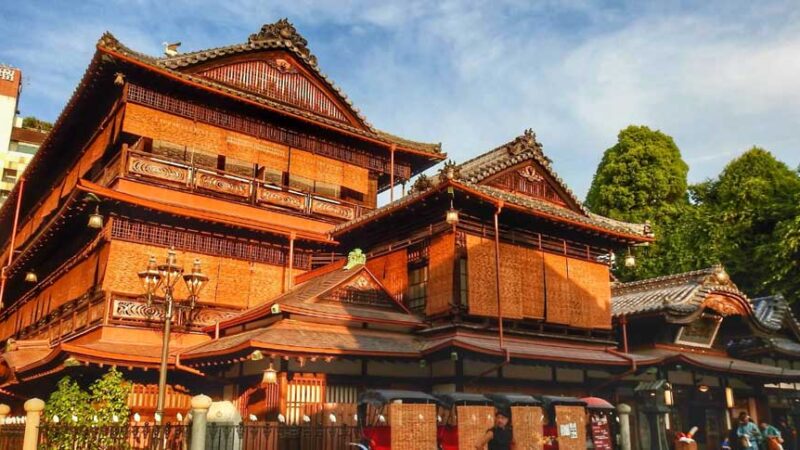
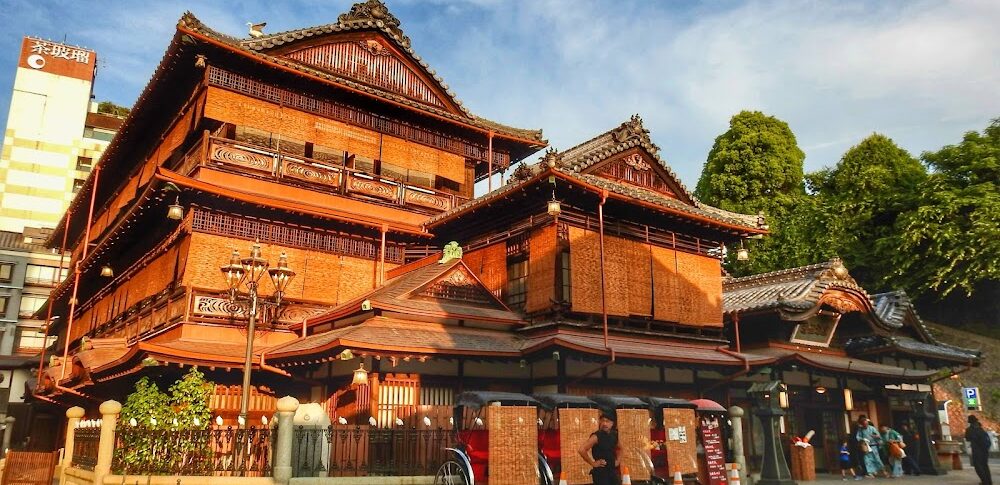
Dogo Onsen Honkan is a representative public bathhouse in Japan, built in 1894 (Meiji 27). The three-story wooden structure is designated as a National Important Cultural Property, and its dignified appearance shares many commonalities with the exterior of the bathhouse depicted in “Spirited Away.”
When lit up at night, the sight of the main building is exactly like the world of the film. The red railings, the intricately overlapping roof structure, and the fantastical atmosphere unique to hot spring towns overlap with the image of the bathhouse.
Director Hayao Miyazaki’s Connection to Dogo Onsen
It is known that Hayao Miyazaki, director of Studio Ghibli, conducted research at various hot spring locations throughout Japan when creating the work. Dogo Onsen is believed to be one of those candidate locations, and in particular, the architectural style and hot spring culture are thought to have influenced the construction of the work’s world.
However, the official Ghibli has not explicitly stated any specific location as the “sole model.” The bathhouse was created as a fictional building inspired by multiple hot spring areas and architectural structures. Nevertheless, the presence of Dogo Onsen Honkan carries the persuasive power that makes many fans feel “this is the bathhouse.”
The History and Cultural Background of Dogo Onsen
One of Japan’s Oldest Hot Springs
Dogo Onsen is one of Japan’s oldest hot springs, with a history of approximately 3,000 years. It appears in the “Nihon Shoki” and “Man’yōshū,” and was visited by renowned historical figures such as Prince Shōtoku and Natsume Soseki.
The hot spring culture nurtured by this long history and the tradition of gods visiting perfectly align with the concept depicted in “Spirited Away” of “a bathhouse where the eight million gods come to soothe their fatigue.”
The Atmosphere and Mystique of the Hot Spring Town
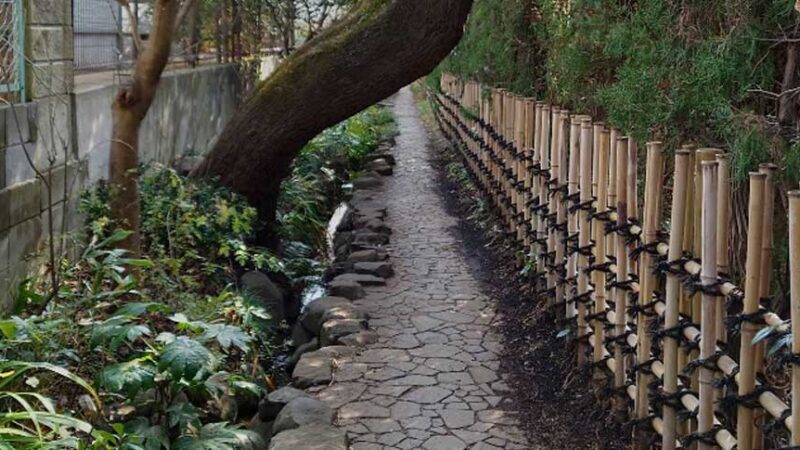
The Dogo Onsen town features old shopping streets and inns, retaining a Showa retro atmosphere. The stone-paved roads, lantern lights, and scenes of steam rising from hot springs evoke the strange world into which Chihiro wandered in the film.
Particularly from dusk to night around Dogo Onsen Honkan, the area is enveloped in a unique atmosphere where the boundary between reality and fantasy becomes ambiguous.
Specific Similarities with “Spirited Away”
Commonalities in Architectural Style
Three-story structure
Dogo Onsen Honkan has a complex structure with three floors above ground, and similarities with the multi-layered architectural design of the bathhouse have been noted.
Red railings and decorative details
The red railings and decorative details of the main building evoke the luxurious external design of the bathhouse.
Overlapping roofs
The complex structure of multiple overlapping roofs is a characteristic of traditional Japanese hot spring architecture and is reflected in the design of the bathhouse.
Commonality as Hot Spring Culture
In the film, the bathhouse is depicted as “a place where gods rest and heal their fatigue.” Dogo Onsen has also been called “the waters of the gods” since ancient times and has been regarded as a sacred place. This alignment of spirituality is not mere coincidence but represents the essence of Japan’s hot spring culture.
Points of Interest at Dogo Onsen Honkan
Kami no Yu (Gods’ Bath)
“Kami no Yu,” located on the first floor of Dogo Onsen Honkan, is a large public bath available to general visitors. The alkaline simple spring water is gentle on the skin and is also known as a “beautiful skin bath.”
Bathing in this historic bathhouse provides an experience that feels like stepping into the world of the film.
Rei no Yu (Spirit Bath)
Located on the second floor, “Rei no Yu” is a quieter and more serene bathhouse. Located near the exclusive imperial bath “Yūshindan,” it conveys a sense of high elegance.
Yūshindan (Imperial Bath)
A private bathhouse created for Emperor Meiji; currently open for viewing only. The lavishly decorated interior evokes the luxury of Yubaba’s room on the top floor of the bathhouse.
Sacred Site Pilgrimage Spots Around Dogo Onsen
The Shopping Street in Front of Dogo Onsen Honkan
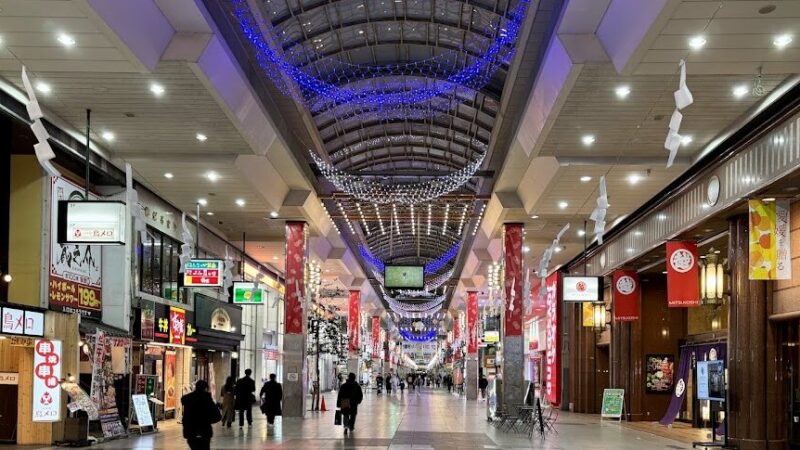
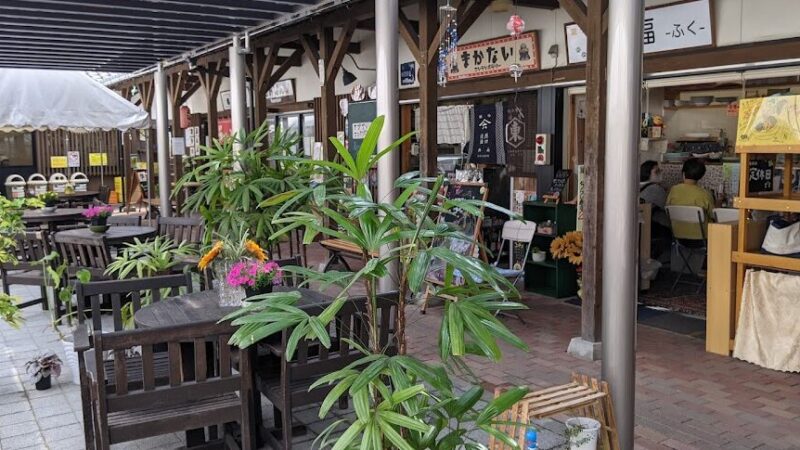
“Dogo Haikara Street,” which continues from the main building, is a lively street lined with souvenir shops and restaurants. It has an atmosphere reminiscent of the dining district street where Chihiro walked with her parents in the film.
Dogo Park (Remains of Yugei Castle)
A park located a five-minute walk from Dogo Onsen, situated on the site of the former Yugei Castle. The nature-rich environment connects with the lush worldview that served as the stage of the film.
Isaniwa Shrine (伊佐爾波神社)
A shrine that has been worshipped since ancient times as the guardian deity of Dogo Onsen. The main hall, reached after climbing 135 stone steps, is designated as a National Important Cultural Property as one of Japan’s three greatest Hachiman-style shrines. It is a sacred place that aligns with the theme of the film depicting a world of gods.
Botchan Train
An observation train that runs through Matsuyama City, restored from a steam locomotive of the Meiji era. Its retro atmosphere matches the worldview of the film.
Recommended Plans for Sacred Site Pilgrimage
Day Trip Plan
10:00 Arrival at Matsuyama Station
Travel to Dogo Onsen by city tram (approximately 25 minutes)
11:00 Viewing and bathing at Dogo Onsen Honkan
First photograph the exterior, then enjoy bathing
13:00 Lunch and souvenir shopping at Dogo Haikara Street
Enjoy local cuisine
14:30 Visit to Isaniwa Shrine
Climb the stone steps to the shrine
15:30 Stroll through Dogo Park
17:00 Dogo Onsen Honkan photography at dusk
The time when illumination begins is especially recommended
Overnight Plan
There are many inns and hotels in the Dogo Onsen town. An overnight stay allows you to slowly enjoy the fantastical nighttime atmosphere. The quiet hot spring town in the early morning also has its own unique charm.
Photography Spots and Best Timing
Front of Dogo Onsen Honkan
The most popular photography spot. Since there are many tourists during the day, early morning (6:00-7:00) or evening is recommended.
Illumination Time
The illuminated main building after sunset most evokes the “bathhouse” atmosphere. Particularly during winter dusk (around 16:30-17:30), the combination of steam and light creates a fantastical scene.
The Drum at Shinrokaku (Drum Tower)
At the Shinrokaku on the top of the main building, a drum is struck 3 times a day (6:00, 12:00, 18:00). These time periods are especially atmospheric.
“Spirited Away” Model Location Candidates Other Than Dogo Onsen
Meguro Gajoen (Tokyo)
Its lavishly decorated interior is said to be one of the models for the inside of the bathhouse.
Shibu Onsen (Nagano Prefecture)
The stone-paved hot spring town and wooden inns align with the worldview of the film.
Ginzan Onsen (Yamagata Prefecture)
The hot spring town brimming with Taishō-era romanticism is one of the sacred sites visited by many fans.
Edo-Tokyo Museum
Known as a place where Director Miyazaki actually conducted research, early Showa period buildings are preserved here.
These places are also said to be sources of inspiration for “Spirited Away,” but the presence and historical weight of Dogo Onsen Honkan is particularly special.
Regarding Restoration Work at Dogo Onsen Honkan
Restoration work at Dogo Onsen Honkan has been underway since 2019 (scheduled completion in 2024). Some bathing facilities continue to operate during the construction period, and the exterior remains viewable.
While some parts are covered by construction scaffolding, the dignity of the historic structure remains undiminished. Rather, it could be said to be a rare opportunity to see the construction process.
For the latest operational status, it is recommended to check the official Dogo Onsen website.
Access Information
By Train
- From Matsuyama Airport: Limousine bus to Matsuyama City Station (approximately 15 minutes), city tram to Dogo Onsen Station (approximately 25 minutes)
- From JR Matsuyama Station: Approximately 30 minutes by city tram
- From Matsuyama City Station: Approximately 20 minutes by city tram
By Car
- Approximately 30 minutes from “Matsuyama IC” on the Matsuyama Expressway
- Parking: Multiple paid parking lots in the Dogo Onsen area
Bathing Fees and Operating Hours
Kami no Yu (First Floor)
- Adults: 420 yen
- Operating hours: 6:00-23:00 (Final entry 22:30)
Kami no Yu (2nd Floor Seating)
- Adults: 840 yen (includes tea and crackers)
- Operating hours: 6:00-22:00 (Final entry 21:00)
Rei no Yu (2nd Floor Seating)
- Adults: 1,280 yen (includes tea and crackers)
- Operating hours: 6:00-22:00 (Final entry 21:00)
Rei no Yu (3rd Floor Private Room)
- Adults: 1,680 yen (includes tea, crackers, and yukata)
- Operating hours: 6:00-22:00 (Final entry 20:40)
※Fees and operating hours may change. Please check the official website for the latest information.
Important Notes When Visiting Dogo Onsen
Avoid Peak Times
Golden Week, Obon, and year-end holidays are particularly crowded. Weekday mornings and late afternoons are relatively quieter.
Bringing Towels
While towels can be rented at a fee at the main building, it is convenient to bring your own.
Managing Valuables
Lockers in the changing room are coin-operated (100 yen return type). Keep valuables to a minimum.
Photo Etiquette
Photography of the exterior is permitted, but photography inside the bathing areas is prohibited. Also, do not forget consideration for other bathers and local residents.
Ways to Enjoy Dogo Onsen: Attractions Beyond the Hot Spring
Local Cuisine
Jako-ten
A local Ehime dish of small fish paste that is deep-fried. Available for food stalls on Dogo Haikara Street.
Tai-meshi (Sea Bream Rice)
Ehime is a region famous for sea bream. Authentic tai-meshi can be enjoyed at restaurants around Dogo Onsen.
Mandarin Orange Sweets
Ehime is famous for mandarin oranges. Mandarin orange soft-serve ice cream and mandarin orange juice are must-tries.
Foot Bath “Hōjōen”
A free foot bath spot near Dogo Onsen Honkan. Ideal for soothing travel fatigue.
Dogo Onsen Annex “Asuka no Yu”
A new hot spring facility that opened in 2017. It is a space where modern facilities and traditional atmosphere are fused.
Special Experiences for “Spirited Away” Fans
Night Walk Through Dogo Onsen
Walking through the hot spring town lit by lanterns after dark allows you to experience the otherworldly atmosphere into which Chihiro wandered.
Strolling the Hot Spring Town in Yukata
Borrowing a yukata from your inn and strolling through the hot spring town also has its charm. You can experience feeling like a character from the film.
Enjoying Early Morning Silence
Shortly after opening at 6 a.m., with few tourists around, you can see the original state of the hot spring as used by local residents.
The Cultural Value of Dogo Onsen
Value as a National Important Cultural Property
Dogo Onsen Honkan was designated as a National Important Cultural Property in 1994. It is an extremely rare case for a public bathhouse to receive cultural property designation while remaining in active use.
A Symbol of Japanese Hot Spring Culture
Dogo Onsen can be said to be a living museum transmitting Japan’s hot spring culture and hot spring cure culture to the present day. The concept depicted in “Spirited Away” of “a place where gods are healed” precisely expresses the essence of such Japanese hot spring culture.
Summary: Experiencing the World of “Spirited Away” at Dogo Onsen
Whether Dogo Onsen Honkan is the sole model for the bathhouse in “Spirited Away” has not been officially stated. However, its historic architectural beauty, the depth of its hot spring culture, and its fantastical nighttime atmosphere are undoubtedly deeply connected to the worldview of the film.
Visiting Dogo Onsen means more than just a sacred site pilgrimage. It is a journey to touch the essence of Japan’s hot spring culture and experience the spirituality that “Spirited Away” sought to convey.
Immersing yourself in a hot spring with a history of approximately 3,000 years, gazing at the beauty of wooden architecture, losing track of time in the steam—such an experience is the ultimate “Spirited Away” experience that Dogo Onsen provides.
Once the restoration work is completed, you will be able to see Dogo Onsen Honkan reborn even more beautifully. For film fans, of course, but also for those interested in Japanese culture, hot spring lovers, and everyone alike, Dogo Onsen is a special place worth visiting.
By all means, actually visit and experience the mysterious and enchanting world of the hot spring that Chihiro experienced with your own eyes and skin.