
Introduction: Why Hirayama Eye Clinic is Attracting Attention as a Sacred Site for Uma Musume
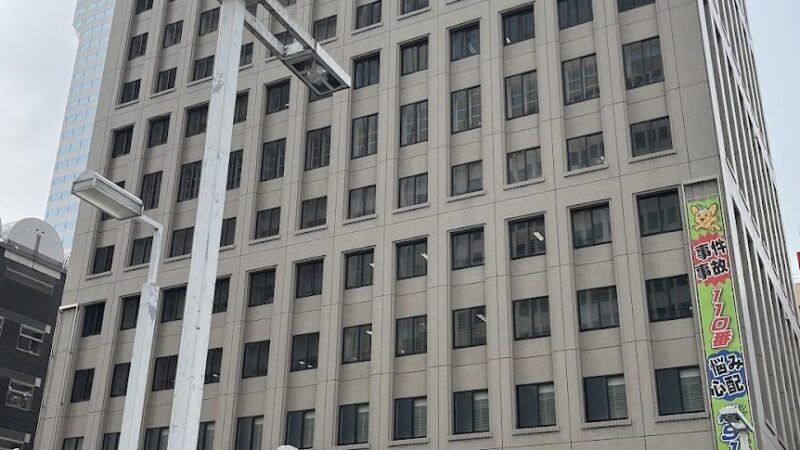
In the anime and games of “Uma Musume: Pretty Derby,” Fuchu City in Tokyo is featured as a major setting. Among these locations, the area in front of Hirayama Eye Clinic has become an important sacred site spot around Fuchu Station where many fans visit.
This article comprehensively explains all the information necessary for exploring the sacred sites, centered around Hirayama Eye Clinic, including details of scenes that appeared in the anime, access methods, photography tips, and surrounding sacred site information.
Uma Musume: Pretty Derby Explained
Overview of the Work
“Uma Musume: Pretty Derby” is a multimedia content project developed by Cygames. It features high popularity as a work that brings familiarity to the world of horse racing, with the premise that “Uma Musume”—humanoid versions of real racehorses—aim for victory in races called the Twinkle Series.
Anime Series Development
- Season 1: Special Week (nicknamed “Speuchan”) plays the main protagonist
- Season 2: The story of Tokai Teio and Mejiro Mcqueen
- Season 3: Centered on Kitasan Black
- Theatrical Version “Doors of a New Era”: New challenges for the Uma Musume
Through these works, numerous actual locations centered on Fuchu City in Tokyo appear, becoming pilgrimage sites for fans.
Basic Information About Hirayama Eye Clinic
Location and Access
Address: 1-chome Miyaminishi-cho, Fuchu, Tokyo (around Fuchu Station North Exit)
Nearest Stations:
- Approximately 2-minute walk from Fuchu Station North Exit on the Keio Line
- Approximately 15-minute walk from Fuchu Honcho Station on the JR Musashino Line/Nanbu Line
After exiting Fuchu Station’s north exit and heading left, you can quickly find it in a convenient location. Since it’s a very short distance from the station, many fans visit this as their first sacred site pilgrimage spot.
Appearances in the Anime
Hirayama Eye Clinic appears in the background when Uma Musume characters walk through the streets of Fuchu or in daily life scenes. Particularly when depicting the townscape around Fuchu Station, you can confirm the characteristic buildings and signage of this location.
The anime faithfully reproduces the actual location, with detailed descriptions of even the position of signs and the layout of surrounding buildings, making it a spot where visitors feel a strong sense of “This is it!”
Precautions When Photographing
Since Hirayama Eye Clinic is located near an active medical facility, the following points require attention:
- Be considerate not to interfere with operations
- Avoid loud conversations and noise
- Avoid long stays
- Photograph from positions that don’t obstruct pedestrians
- Do not enter private property
- Always take your trash with you
Sacred site pilgrimage is made possible by the understanding of local residents and facilities. Let’s follow proper etiquette and make it an enjoyable pilgrimage.
Complete Guide to Sacred Sites Around Fuchu Station
If you’re visiting Hirayama Eye Clinic, it’s recommended to also explore nearby sacred sites. Multiple sacred sites are concentrated within walking distance around Fuchu Station.
Fuchu Station North Exit Area
Fuchu Station North Exit
The Fuchu Station North Exit that appeared in Season 3 of the anime is depicted in a scene where Uma Musume use the station. It’s an important spot right after exiting the ticket gates, on the way to Hirayama Eye Clinic.
KURURU (Fuchu City Civic Activity Center)
The complex facility “KURURU” right next to Fuchu Station’s north exit appears in the anime with its distinctive exterior. It’s a modern glass-clad building and one of the landmarks symbolizing Fuchu’s townscape.
Fuchu Station South Exit Area
Former Nomura Securities Fuchu Branch
This building located around Fuchu Station’s south exit also appears in the anime’s background. It’s depicted as an important element in Fuchu’s townscape.
Okuunitama Shrine (Ookunitama Jinja)
Located about a 5-minute walk from Fuchu Station’s south exit, this historic shrine is also a model in the game version of Uma Musume. The atmosphere of the shrine grounds and the appearance of the approach are reflected in the work. As the Soja (headquarters shrine) of Musashi Province, it boasts a history of over 1,900 years.
Baba-Daimon Zelkova Avenue
The approach leading from Fuchu Station to Okuunitama Shrine is famous for its zelkova avenue designated as a national natural treasure. It appeared in Season 3 of the anime, and the “Statue of Minamoto Yoshiie (Hachiman Taro)” is also one of the sacred sites.
The zelkova avenue changes its appearance with the seasons—fresh green in spring, deep green in summer, autumn leaves in fall, and fallen leaves in winter—offering beautiful scenery no matter when you visit.
Sacred Sites in the Tokyo Racecourse Area
Access to Tokyo Racecourse
From Fuchu Station, where Hirayama Eye Clinic is located, you can access Tokyo Racecourse, the most important stage for Uma Musume, as follows:
Using the Keio Racecourse Line:
- Board the Keio Racecourse Line from Fuchu Station
- Get off at Fuchu Racecourse Seigomon Station (approximately 2 minutes)
- About 2 minutes walk from the station to Tokyo Racecourse
By Walking:
- Head from Fuchu Station toward Higashi-Fuchu Station
- About 10 minutes walk from Higashi-Fuchu Station to Tokyo Racecourse
- Total distance approximately 2.5 km, about 30 minutes on foot
The protagonist of Season 1 anime, Special Week, has a memorable scene descending at Higashi-Fuchu Station toward Tokyo Racecourse.
Higashi-Fuchu Station
Higashi-Fuchu Station on the JR Musashino Line is the memorable place where Special Week arrived in Episode 1 of Season 1 of the anime. The station’s exterior, ticket gates, and platform appearance are depicted in detail, making it an important sacred site pilgrimage spot for fans.
Fuchu Racecourse Seigomon Station
Fuchu Racecourse Seigomon Station, the terminal of the Keio Racecourse Line, is a station dedicated to Tokyo Racecourse and is crowded with horse racing fans on race days. In the anime, it’s an important location where Uma Musume head toward races.
Sacred Sites Within Tokyo Racecourse
There are numerous spots within Tokyo Racecourse that appear in the anime:
Paddock
The paddock where Uma Musume appear before races is an important scene in the anime. It faithfully reproduces the actual racecourse paddock, with the atmosphere of blaring fanfares reflected in the work.
Winning Post
The straight before the goal and the winning post are the stage where Uma Musume engage in intense races. The Tokyo Racecourse’s course layout is depicted with accuracy.
Stands
Scenes from the perspective of viewing the course from the spectator seats frequently appear. The vast stands atmosphere of Tokyo Racecourse enhances the intensity of the anime.
Other Sacred Sites in the Kanto Region
Nakayama Racecourse (Chiba Prefecture)
Nakayama Racecourse in Funabashi, Chiba Prefecture is also an important stage for Uma Musume. It appears in the work especially as the venue where major races like the Arima Memorial are held.
Access:
- Bus to Nakayama Racecourse from JR Sobu Line “Funabashi Station”
- About 15 minutes walk from “Nishi-Funabashi Station” on JR Sobu Line
- About 3 minutes walk from “Nakayama Station” on the Keisei Main Line
Nakayama Racecourse has different characteristics from Tokyo Racecourse and is known as a difficult course with steep slopes. This characteristic is depicted in the anime as well.
Tamagawa Riverbed
The riverbed of the Tamagawa River flowing through Fuchu appears in scenes where Uma Musume undergo training. The open atmosphere of the vast riverbed gives realism to the training scenes.
Tachikawa Area
Locations in Tachikawa City near Fuchu appear in the work. The townscape and commercial facilities around Tachikawa Station are depicted in the background.
Kichijoji Area
In the game version of Uma Musume, locations in Kichijoji’s townscape are also modeled. The atmosphere of shopping streets and the station area are reflected in the work.
Sacred Sites in the Kansai Region
Kyoto Racecourse (Kyoto Prefecture)
Kyoto Racecourse in Fushimi, Kyoto, appears as the venue for races like the Kyoto Daishoten and the Tenno Sho (Spring).
Characteristics:
- Japan’s longest straight (over 3,000m)
- Two courses: inner and outer
- Historic atmosphere at the racecourse
Hanshin Racecourse (Hyogo Prefecture)
Hanshin Racecourse in Takarazuka, Hyogo Prefecture also appears in important race scenes. It’s the venue for G1 races like the Takarazuka Kinen and the Sakura Blossom Award.
Sacred Sites in Osaka Prefecture
There are locations in Osaka Prefecture that appear in Uma Musume’s daily life scenes. Urban townscapes are depicted as backgrounds.
Sacred Sites in Shiga Prefecture
Natural scenery in Shiga Prefecture also appears in some scenes. It’s sometimes depicted in training camp episodes.
Efficient Sacred Site Pilgrimage Routes
One-Day Fuchu Station Area Course
A model course to explore sacred sites around Fuchu Station, including Hirayama Eye Clinic, in one day:
Morning (9:00-12:00)
- Fuchu Station North Exit meeting point (9:00)
- Hirayama Eye Clinic (9:10-9:30)
- KURURU area (9:35-9:50)
- Fuchu Station South Exit area (10:00-10:30)
- Okuunitama Shrine visit (10:40-11:30)
- Baba-Daimon Zelkova Avenue tour (11:30-12:00)
Lunch (12:00-13:00)
- Lunch at a restaurant near Fuchu Station
Afternoon (13:00-17:00)
- Move to Higashi-Fuchu Station (13:00-13:30)
- Higashi-Fuchu Station area (13:30-14:00)
- Walk to Tokyo Racecourse (14:00-14:30)
- Visit Tokyo Racecourse (14:30-16:30)
※Admission fee required on race days; free viewing may be available on non-race days
- Return from Fuchu Racecourse Seigomon Station to Fuchu Station (16:40-17:00)
Two-Day In-Depth Course
Day 1: Thorough Exploration of Fuchu Area
- Morning: Sacred sites around Fuchu Station (Hirayama Eye Clinic, KURURU, Okuunitama Shrine, etc.)
- Afternoon: Tokyo Racecourse and surrounding areas
- Evening: Experience training scenes at the Tamagawa riverbed
Day 2: Expanded Surrounding Areas
- Morning: Tachikawa area or Kichijoji area
- Afternoon: Expedition to Nakayama Racecourse (Chiba Prefecture)
Special Plan Coordinated with Race Days
When visiting coordinated with Tokyo Racecourse race days, it’s possible to experience sacred site pilgrimage with more intensity:
- Day before race day: Sacred site pilgrimage around Fuchu Station (including Hirayama Eye Clinic)
- Race day: Watch actual races at Tokyo Racecourse
- After watching races: Compare anime scenes with actual locations
Photography Tips and Best Timing
Photography Points at Hirayama Eye Clinic
Recommended Photography Times:
- Morning (9:00-11:00): Soft morning light allows for good photography
- Evening (16:00-18:00): Golden hour when the sun illuminates buildings beautifully
Photography Angles:
- Full view from the front
- Angle incorporating the direction toward Fuchu Station in the background
- Close-up centered on the signage
Seasonal Variations:
- Spring: Beautiful contrast between fresh green and blue sky
- Summer: Strong sunlight makes shadows stand out clearly
- Autumn: Comfortable light for easy photography
- Winter: Clear air makes distant views crisp
Comparative Photography with Anime Scenes
By displaying anime screenshots on a smartphone or tablet while photographing the same angle, more accurate comparisons become possible.
Recommended Apps:
- Sacred site exploration app (Butai Meguri, etc.)
- Map apps for location confirmation
- Camera app grid feature usage
Preparation and Items for Sacred Site Pilgrimage
Essential Items
- Smartphone: Essential for maps, anime image confirmation, and photography
- Mobile battery: Important for backup power during long explorations
- Transit IC card: For smooth transportation
- Beverages: Especially important in summer for heat stroke prevention
- Comfortable walking shoes: Exploration around Fuchu Station centers on walking
Useful Items to Have
- Camera: For higher quality recordings than smartphone photos
- Tripod or mini tripod: For group photos or night-scene photography
- Notebook and pen: To record visits and observations
- Rain gear: Folding umbrella or raincoat
- Sunscreen/hat: Sun protection measures for summer
Pre-Visit Preparation
- Check relevant anime scenes: Understand which scenes are from which locations
- Confirm route on map app: Plan an efficient pilgrimage route
- Check weather forecast: Confirm if weather is suitable for photography
- Confirm opening hours/closure dates: Some facilities may not be available certain days
- Check public transportation schedules: Especially important for return trains
Importance of Etiquette and Rules
Consideration for Local Residents
Hirayama Eye Clinic and other sacred sites are places where people actually live and work. Always follow these points:
- Don’t make noise: Loud conversations and shouting are strictly prohibited
- Don’t trespass on private property: Unauthorized entry is a crime, even for photography
- Take trash with you: It’s fans’ responsibility to keep sacred sites clean
- Follow traffic rules: Don’t get so focused on photography that you run into traffic
- Don’t interfere with business: Avoid long stays in front of shops or facilities
Precautions When Photographing
- Be mindful of people appearing in photos: Be careful about portrait rights
- Avoid flash photography: To avoid bothering others
- Check surroundings when using tripods: Ensure they don’t obstruct pedestrian traffic
- Get permission for commercial use: Be careful with uses other than personal records
Consideration When Posting on SNS
When posting sacred site pilgrimage records on SNS, also pay attention to these points:
- Avoid posting precise location information: Keep it to general area names
- Blur other people’s faces and vehicle license plates: Protect privacy
- Don’t spread negative information: Protect sacred sites’ image
- Don’t post content that encourages rule violations: Maintain exemplary pilgrimage standards
Charm of Fuchu City and Tourism Information
About Fuchu City
Located near the center of Tokyo, Fuchu City is a historic town where the provincial headquarters of Musashi Province was once located. Currently, it develops as a residential city with approximately 260,000 residents.
Main Characteristics:
- Historical and cultural heritage centered on Okuunitama Shrine
- Horse racing culture from Tokyo Racecourse
- Natural environment of the Tamagawa River
- Convenient transportation (Keio Line, JR Musashino Line/Nanbu Line)
Fuchu Gourmet
Fuchu’s gourmet information you can enjoy during sacred site pilgrimage:
Fuchu Specialties:
- Fuchu Burger: Local gourmet burger using regional ingredients
- Fuchu-grown vegetables: Fresh vegetables from local production for local consumption
- Racecourse gourmet: Diverse dining options inside Tokyo Racecourse
Dining Around the Station:
- Dining shop mall in Fuchu Station Building “Le Signe”
- Shopping streets at Fuchu Station North and South exits
- Dining establishments along the Okuunitama Shrine approach
Annual Events
Kurayami Festival:
- Held April 30 to May 6 annually
- Annual festival of Okuunitama Shrine
- One of the three greatest oddities in the Kanto region
Fuchu Keyaki Festival:
- Citizen’s festival held in autumn
- Zelkova avenue is illuminated
Major Races at Tokyo Racecourse:
- Japanese Derby (May)
- Yasuda Kinen (June)
- Japan Cup (November)
- Arima Memorial (December, Nakayama Racecourse)
Uma Musume Fan Community
Online Communities
For information exchange about sacred site pilgrimages and interaction with other fans, the following communities are available:
- Twitter: Hashtags “#ウマ娘聖地巡礼” “#ウマ娘舞台探訪”
- Instagram: Photo-centered sacred site pilgrimage record sharing
- Butai Meguri App: Sacred site exploration app utilizing location information
- Fan sites/Blogs: Detailed pilgrimage reports
Offline Events
There are irregular Uma Musume-related events and fan-organized pilgrimage tours. Check official sites and fan communities for information.
Methods of Recording Sacred Site Pilgrimages
Recording by Photography
How to Create Comparative Photos:
- Prepare anime screenshots
- Take photographs from the same angle
- Use image editing apps to display both images side by side for comparison
Recommended Compositions:
- Same angle as anime
- Memorial photo including yourself
- Landscape photography incorporating seasonal elements
- Close-up capturing details
Pilgrimage Notebook/Diary
Recording visit dates and times, weather, impressions, etc. makes memories stand out when reviewing later.
Sample Recording Items:
- Date and time of visit
- Weather and temperature
- Companions
- Corresponding episode/scene in anime
- Observations and impressions at the site
- Challenges and reasons for revisiting next time
SNS Posting
Posting records of sacred site pilgrimages on SNS creates interaction with other fans. However, be mindful of proper etiquette mentioned earlier.
Tips for Effective Posting:
- Using appropriate hashtags
- Comparative images with anime
- Concise and clear explanatory text
- Information about visit period and time
- Access hints
Highlights by Season
Spring (March to May)
Highlights:
- Cherry blossoms at Okuunitama Shrine
- Fresh green of zelkova avenue
- Spring flowers at Tamagawa riverbed
- Japanese Derby racecourse event
Clothing:
Mornings and evenings can be cool, so bring something to wear over. Daytime is warm—wear comfortable, easy-to-walk-in clothing.
Summer (June to August)
Highlights:
- Deep green zelkova avenue
- Summer racecourse events
- Waterside scenery of the Tamagawa
Precautions:
- Heat stroke prevention is essential (hydration, hats, sunscreen)
- Early morning or evening cooler hours are recommended
- Take breaks in shaded areas periodically
Autumn (September to November)
Highlights:
- Zelkova avenue autumn foliage (mid to late November)
- Autumn racecourse big races (Japan Cup, etc.)
- Fuchu Keyaki Festival
- Photography in clear air
Best Season:
Autumn has stable weather and beautiful foliage, making it the optimal season for sacred site pilgrimage.
Winter (December to February)
Highlights:
- Dignified appearance of leafless zelkova avenue
- Distant scenery photography in clear winter air
- Year-end Arima Memorial (Nakayama Racecourse)
- Illuminations
Precautions:
- Take proper cold-weather precautions
- Plan extra pilgrimage time as sunset comes early
- Note facility closures during year-end holidays
Frequently Asked Questions
Visiting Hirayama Eye Clinic
Q: Can I enter inside Hirayama Eye Clinic?
A: Since Hirayama Eye Clinic is an active medical facility, those who aren’t patients cannot enter for viewing purposes. Please limit yourself to photographing the exterior.
Q: What’s the best time for photography?
A: Morning (9:00-11:00) or evening (16:00-18:00) is recommended. Special care is needed during business hours.
Sacred Site Pilgrimage Around Fuchu Station
Q: Can I explore all sacred sites around Fuchu Station in one day?
A: Main spots like Hirayama Eye Clinic, KURURU, and Okuunitama Shrine are within walking distance and can be explored in 3-4 hours. Including Tokyo Racecourse takes a full day.
Q: Can I do pilgrimage on rainy days?
A: It’s possible, but photography quality will be inferior to clear days. Also, it’s better to avoid outdoor spots like Okuunitama Shrine and the riverbed on rainy days.
Tokyo Racecourse
Q: Can I visit Tokyo Racecourse even if I’m not interested in horse racing?
A: You can visit on race days if you pay admission. On non-race days, only portions of the facility may be viewable. It’s recommended to check the JRA official website beforehand.
Q: Can I take photographs inside the racecourse?
A: Personal record photography is allowed, but commercial use or photography that disturbs other visitors is prohibited. There may also be restrictions on photographing horses and jockeys.
Access
Q: Is vehicle access possible?
A: There are paid parking lots around Fuchu Station, but spaces are limited. Public transportation use is strongly recommended. On race days, the racecourse parking lot gets congested.
Q: How long is it from the nearest station?
A: Hirayama Eye Clinic is an extremely short 2-minute walk from Fuchu Station North Exit. All major sacred sites around Fuchu Station are within a 10-minute walk.
Conclusion: The Appeal of Sacred Site Pilgrimage Starting From Hirayama Eye Clinic
Hirayama Eye Clinic is one of the important sacred site spots in the Fuchu Station area for Uma Musume Pretty Derby sacred site pilgrimages. With its convenient location just a 2-minute walk from the station and multiple sacred sites concentrated nearby, it’s the perfect starting point for an efficient pilgrimage.
Key Points of Hirayama Eye Clinic Pilgrimage
- Excellent accessibility: 2-minute walk from Fuchu Station North Exit
- Proximity to surrounding sacred sites: KURURU, Okuunitama Shrine within walking distance
- Faithful anime reproduction: High degree of correspondence between actual location and anime
- Easy to photograph: Photography possible from public roads
- Good starting point for pilgrimage: Easy expansion to other sacred sites from here
To Make Your Sacred Site Pilgrimage Successful
- Don’t skimp on preparation: Check anime scenes, plan routes, verify weather
- Follow proper etiquette: Be considerate of residents, observe photography rules
- Plan with breathing room: Avoid tight schedules and allow time to enjoy
- Keep records: Make memories tangible through photos, notes, SNS
- Enjoy revisiting: New discoveries await when visiting in different seasons
Experience the World of Uma Musume
By visiting sacred sites like Hirayama Eye Clinic, the world of anime and games feels closer. Walking the roads where Uma Musume walked (in the story), seeing the same views they see—this deepens understanding and affection for the work even further.
Uma Musume Pretty Derby is a work that brings familiarity to the world of horse racing. By actually visiting Fuchu city, the stage of this work, you can surely discover new facets of the work’s charm.
May your sacred site pilgrimage at Hirayama Eye Clinic be a wonderful experience that enriches your Uma Musume life. Remember to follow etiquette and express gratitude to local residents. Enjoy your sacred site pilgrimage!
Umappyoi!
—
※Information in this article is current as of writing. Before visiting, it’s recommended to confirm the latest information on official websites. Also, sacred sites are places where people actually live. Please follow proper etiquette while enjoying your pilgrimage.