
About Hisatomi Inari Shrine|The Guardian Shrine of Sakura-shimmachi and Holy Site of Demon Slayer
Hisatomi Inari Shrine (Hisatomi Inari Jinja), located in Sakura-shimmachi, Setagaya Ward, Tokyo, is a shrine that has long been cherished as the tutelary deity of the local community. Also known by its alternate name “Shinmachi Inari Shrine,” it serves as the guardian shrine of the Sakura-shimmachi area and has attracted the faith of local residents.
In recent years, the popular manga “Demon Slayer” official fanbook “Demon Slayer Corps Observation Record” documented that Rengoku Kyojuro, the Flame Pillar, originated from “former Tokyo Prefecture, Ebara District, Komatsawa Village (Setagaya, Sakura-shimmachi),” making it a pilgrimage site for Demon Slayer fans as the tutelary shrine of Rengoku Kyojuro.
History and Origin of Hisatomi Inari Shrine
While the founding year of Hisatomi Inari Shrine is unclear, it is a historic shrine that has served as the guardian deity of the Sakura-shimmachi area since the Edo period. As an Inari shrine, it is said to bring blessings such as prosperity in business, abundant harvests, and family safety.
Though compact, the shrine grounds are well-maintained and offer a serene space that makes one forget the hustle and bustle of the city. As a shrine rooted in the community, it has accompanied the milestones in the lives of local people, such as New Year’s visits, Shichigosan celebrations, and baby shrine visits.
The Charm of Sakura-shimmachi
Sakura-shimmachi is a quiet residential area located in Setagaya Ward, Tokyo. This area is also known as the place where Hasegawa Machiko, the creator of “Sazae-san,” lived during her lifetime, and features Sazae-san-related spots such as the “Hasegawa Machiko Museum of Art” and “Sazae-san Street.”
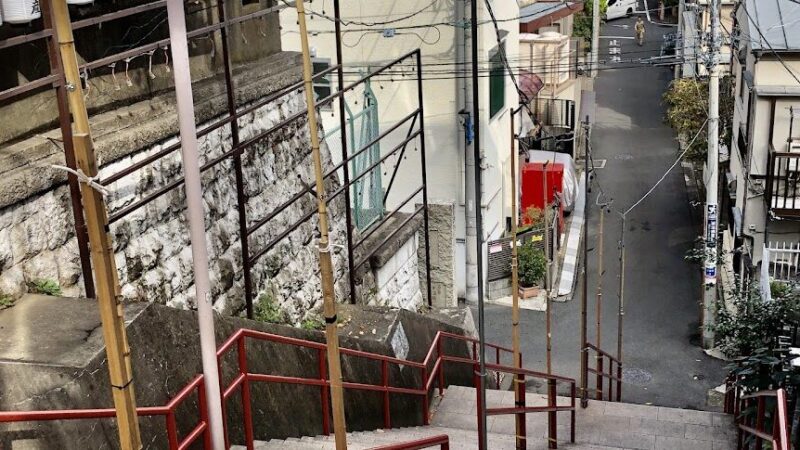
A shopping street spreads around the station, lined with community-oriented shops that characterize the town with its warm atmosphere. Hisatomi Inari Shrine is located at the center of Sakura-shimmachi and is cherished as a symbolic presence in the community.
The Relationship Between Rengoku Kyojuro and Hisatomi Inari Shrine|Understanding the Holy Site from Official Settings
Rengoku Kyojuro’s Profile and Birthplace Setting
Rengoku Kyojuro is one of the “Pillars,” the highest rank of the Demon Slayer Corps in “Demon Slayer,” and the Flame Pillar who uses Flame Breathing. He is a beloved character among many fans due to his cheerful and straightforward nature, strong sense of justice, and caring personality toward his subordinates.
According to the “Demon Slayer Official Fanbook: Demon Slayer Corps Observation Record,” Rengoku Kyojuro’s birthplace is explicitly stated as “former Tokyo Prefecture, Ebara District, Komatsawa Village (Setagaya, Sakura-shimmachi).” This official setting has established Sakura-shimmachi as a place connected to Rengoku Kyojuro.
Hisatomi Inari Shrine as Tutelary Deity
The term “tutelary deity” refers to a deity that protects the people living in that area. Since Rengoku Kyojuro originates from Sakura-shimmachi, Hisatomi Inari Shrine, which is the guardian shrine of Sakura-shimmachi, serves as his tutelary deity.
Among Demon Slayer fans, visiting the shrine in a character’s hometown through pilgrimage to holy sites has become popular, as it allows them to feel a connection with that character. Hisatomi Inari Shrine holds a special meaning for Rengoku Kyojuro fans.
Growing Attention as a Demon Slayer Holy Site
As the popularity of “Demon Slayer” has increased, the number of fans visiting Hisatomi Inari Shrine has also grown. In particular, following the release of the film “Demon Slayer the Movie: Mugen Train,” many fans moved by Rengoku Kyojuro’s heroic deeds visited, making it a major pilgrimage destination.
The shrine welcomes visitors warmly, and anyone can visit the place connected to Rengoku Kyojuro by offering quiet prayers. However, as it is ultimately a community shrine, visitors are expected to observe proper etiquette.
Omamori Information at Hisatomi Inari Shrine|The Appeal of Monthly Changing Designs
Regular and Limited Edition Omamori
Hisatomi Inari Shrine distributes omamori to visitors. A major appeal of Hisatomi Inari Shrine’s omamori is that the design changes monthly. Different designs are prepared each month, characterized by beautiful designs full of seasonal atmosphere.
In addition to regular omamori, seasonal limited edition omamori are sometimes distributed. During special times such as the cherry blossom season, autumn foliage season, and New Year, limited edition omamori with special designs may appear, earning high popularity among omamori collectors.
Omamori Reception Hours and Initial Offering
Omamori reception hours are limited to times when the shrine’s office is open. Generally, around 9 AM to 5 PM is the guideline, though there may be times when the shrine priest is absent due to other duties. If you wish to receive an omamori for certain, it is recommended to confirm in advance.
The initial offering (omamori fee) follows general market rates, typically around 300 to 500 yen. Limited edition omamori may have slightly different prices. Direct writing in an omamori book is standard practice, though written copies may be offered depending on how busy the shrine is.
Etiquette When Receiving Omamori
An omamori is received as proof of your visit. Always complete your prayer first before receiving an omamori. Additionally, it is basic etiquette to bring an omamori book.
The shrine is a sacred place for quiet prayer. Avoid speaking loudly or running around the grounds, and do not forget to be considerate of other visitors. Photography is permitted only in designated areas; refrain from taking pictures inside the main hall or other prohibited locations.
Highlights of the Grounds|A Compact yet Charming Space
Main Hall and Worship Hall
Hisatomi Inari Shrine’s main hall is built in the typical style of an Inari shrine. After passing through the vermillion torii gate, a purification basin comes into view, beyond which the worship hall can be seen. Although the shrine grounds are compact, they are kept clean, and despite being in the city, one can feel a serene atmosphere.
Visitors offer prayers before the worship hall using the ritual of two bows, two claps, and one bow. Many Rengoku Kyojuro fans visit and offer prayers with their feelings for the character in mind.
Fox Stone Statues and Inari Worship
Fox stone statues, symbols of Inari shrines, are positioned throughout the grounds. Foxes, considered messengers of the Inari deity, have long been worshipped as symbols of business prosperity and abundant harvests.
The fox statues at Hisatomi Inari Shrine stand as if gently watching over visitors and are also popular photography spots. However, being sacred objects, they should be treated with respect.
The Grounds’ Appearance Through the Seasons
True to its name Sakura-shimmachi, the surrounding area is also known as a cherry blossom viewing spot. In spring, cherry blossoms bloom in profusion, and the shrine grounds convey the arrival of spring.
In autumn, the foliage is beautiful, and in winter, the serene atmosphere deepens. The grounds present different faces with each season, and each visit offers new discoveries.
Access Information|Within Walking Distance of Sakura-shimmachi Station
Access by Train
The nearest station to Hisatomi Inari Shrine is Sakura-shimmachi Station on the Tokyu Den-en-toshi Line. It is in a very convenient location, approximately a 5-minute walk from Sakura-shimmachi Station.
From Shibuya Station to Sakura-shimmachi Station is about 10 minutes on the Den-en-toshi Line, and from Futako Tamagawa Station is about 5 minutes, providing good access from central Tokyo.
Directions from the Station
Upon exiting the Sakura-shimmachi Station ticket gate, head toward Sazae-san Street. Continue through the shopping street and enter the residential area, where the torii gate of Hisatomi Inari Shrine will come into view. Directional signs are posted along the way, so first-time visitors are unlikely to get lost.
Using a smartphone map application will help you arrive even more reliably.
Access by Car and Parking Information
For those arriving by car, it is about 10 minutes from the “Sangencha Exit” on the Metropolitan Expressway Route 3 Shibuya Line. However, the shrine does not have its own parking lot, so you will need to use nearby coin parking.
Several coin parking lots are available around Sakura-shimmachi Station, though they may become crowded on holidays. Using public transportation is recommended.
Nearby Attractions|Enjoying Holy Site Pilgrimage Along with Sightseeing
Hasegawa Machiko Museum of Art
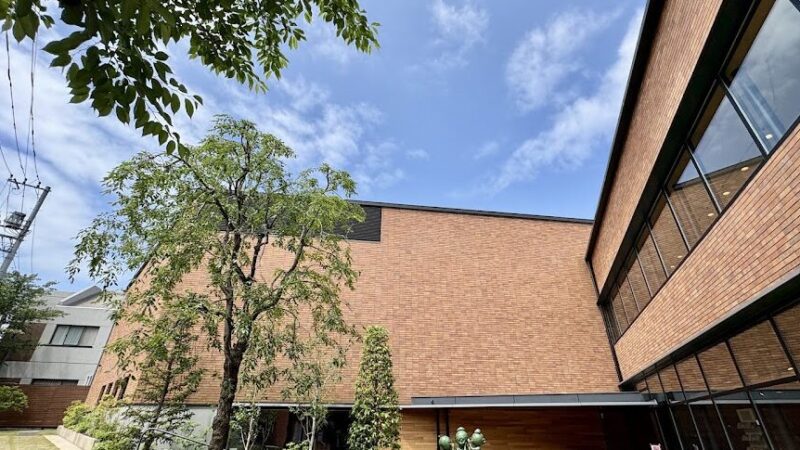
A representative sightseeing spot in Sakura-shimmachi is the “Hasegawa Machiko Museum of Art.” It displays works by Hasegawa Machiko, creator of “Sazae-san,” and art pieces from her collection. Located within walking distance of Hisatomi Inari Shrine, it is also recommended to visit along with holy site pilgrimage.
Sazae-san Street
The shopping street extending from Sakura-shimmachi Station is called “Sazae-san Street,” where character statues and monuments from Sazae-san are scattered throughout. As a character loved by the community, you can encounter the Sazae-san family all around the area.
Komatsawa Olympic Park
Venturing a bit further, you will find Komatsawa Olympic Park, which hosted the 1964 Tokyo Olympics. The vast grounds contain gymnasiums, a track and field stadium, tennis courts, and other facilities, serving as a green oasis cherished by citizens.
Comparison with Other Demon Slayer Holy Sites|Holy Site Pilgrimage in Tokyo
Locations Associated with Tomioka Giyu (Nogata, Nakano Ward)
The birthplace of Tomioka Giyu, the Water Pillar, is listed as “former Tokyo Prefecture, North Toshima District, Nogata Village (Nakano Ward, Nogata).” Though several shrines exist in Nogata, none are clearly established as his tutelary shrine. Nevertheless, many fans visit the Nogata area, making it a pilgrimage destination.
Locations Associated with Kocho Shinobu (Takinogawa, Kita Ward)
The birthplace of Kocho Shinobu, the Insect Pillar, is listed as “former Tokyo Prefecture, North Toshima District, Takinogawa Village (Kita Ward, Takinogawa).” The Takinogawa area features “Takinogawa Hachiman Shrine,” which has become a pilgrimage site as Shinobu’s tutelary shrine.
Locations Associated with Agatsuma Zenitsu (Ushigome, Shinjuku Ward)
The birthplace of Agatsuma Zenitsu, a Thunder Breathing user, is listed as “former Tokyo Prefecture, Ushigome Ward (Shinjuku Ward, Ushigome).” The Ushigome area has multiple shrines, and various interpretations exist among fans.
Locations Associated with Kanao Tsuyuri (Terajima, Sumida Ward)
The birthplace of Kanao Tsuyuri, a Flower Breathing user, is listed as “former Tokyo Prefecture, South Katsushika District, Terajima Village (Sumida Ward, Terajima).” The Terajima area is characterized by picturesque streets along the Sumida River, with multiple shrines scattered throughout.
Holy Site Pilgrimage Tips for Demon Slayer Fans
Advance Preparation and Route Planning
To make your pilgrimage fulfilling, advance preparation is important. Confirm the operating hours and omamori reception times of shrines you wish to visit, and plan an efficient route.
Consulting official fanbooks and related publications to confirm each character’s birthplace and creating a list of sites related to your favorite character is also part of the enjoyment.
Prayer with Proper Etiquette
The most important aspect of holy site pilgrimage is observing proper etiquette. Shrines are places of faith for local residents, not tourist attractions. Offer your prayers quietly and be considerate of other visitors and community members.
Speaking loudly or running around the grounds is strictly forbidden. Additionally, avoid trespassing on private property or taking photos in areas where photography is prohibited.
Caution When Posting on Social Media
When posting about your pilgrimage on social media, be careful not to capture personal information or other visitors in your photos. It is also important to convey accurate information about the shrine.
While you can connect with fans who share your interests through hashtags, be cautious about spreading misinformation.
The Relationship Between Hisatomi Inari Shrine and the Manga “Gingitsune”
Another Aspect as a Holy Site
Before gaining attention as a holy site for “Demon Slayer,” Hisatomi Inari Shrine was already known as a holy site for the manga “Gingitsune.” “Gingitsune” is a manga work by Ochiai Sayori featuring a story centered around an Inari shrine.
The shrine “Saiki Inari Shrine” that appears in the story is said to be modeled after Hisatomi Inari Shrine, and it has been cherished as a pilgrimage destination by “Gingitsune” fans.
A Shrine Beloved by Multiple Works
The fact that Hisatomi Inari Shrine serves as a holy site for both “Gingitsune” and “Demon Slayer” is proof of its charm and appeal. When fans of different works visit the same place, new connections and exchanges can form.
Best Seasons to Visit and Event Information
Cherry Blossom Season in Spring
True to its name Sakura-shimmachi, spring is when cherry blossoms are beautiful. From late March through early April, cherry blossoms bloom magnificently in the surrounding area, enveloped in a splendid atmosphere. The omamori during this season often features cherry blossom motifs and are particularly popular.
New Year Season
The New Year visiting season draws both local residents and holy site pilgrimage fans. Limited edition New Year omamori are sometimes distributed, attracting many visitors. However, crowding is expected, so it is recommended to visit with time to spare.
Autumn Foliage Season
Autumn is a season when foliage is beautiful and visitors can offer their prayers in a calm atmosphere. From October to November, the weather is also pleasant, making it an ideal time for holy site pilgrimage.
Practical Guide for Visiting Hisatomi Inari Shrine
Prayer Etiquette
Let us review the basic etiquette for shrine visits. First, bow once in front of the torii gate and proceed along the edge of the shrine approach (the center is considered the deity’s passage).
Purify yourself at the water purification basin. Hold the ladle with your right hand and rinse your left hand, switch hands and rinse your right hand, switch again to rinse your left hand, take water in your left hand to rinse your mouth, and finally stand the ladle upright to rinse its handle.
Before the worship hall, quietly place a monetary offering, ring the bell if there is one, and offer your prayers using the ritual of two bows, two claps, and one bow.
Amulets and Offerings
Hisatomi Inari Shrine offers various amulets and talismans. You can receive typical Inari shrine amulets for business prosperity, family safety, and safe travel.
It is also nice to receive an amulet as a memento of your pilgrimage. However, amulets are considered manifestations of the deity and should be treated with care.
Ema Wish Plaques
The shrine grounds have an ema stand where visitors can write their wishes on wooden plaques and donate them. Many Demon Slayer fans write their feelings for Rengoku Kyojuro and their own wishes on ema.
Avoid writing too much personal information on ema, and respect the etiquette of not reading other visitors’ plaques or photographing them without permission.
To Fully Enjoy the Charm of Hisatomi Inari Shrine
Taking Your Time
Though not a large shrine, Hisatomi Inari Shrine allows visitors to savor it thoroughly. Rather than rushing through your prayer, take time to absorb the atmosphere of the grounds.
Imagining that Rengoku Kyojuro grew up in this area and taking a stroll through Sakura-shimmachi is part of the joy of holy site pilgrimage.
Experiencing Local Culture
Sakura-shimmachi is connected to Hasegawa Machiko and is also known as the town of Sazae-san. Combined with your visit to Hisatomi Inari Shrine, you can have a deeper experience by touching the culture and history of the area.
Shopping at local stores or taking a break at a café also contributes to the local economy.
The Joy of Visiting Multiple Times
Hisatomi Inari Shrine, with its appealing monthly changing omamori designs, offers the pleasure of visiting multiple times. Many fans make regular pilgrimages, looking forward to the shrine’s changing seasonal appearance and the monthly omamori designs.
Rather than visiting once, returning multiple times allows you to develop a deeper connection with the shrine.
Conclusion|Hisatomi Inari Shrine, Cherished as the Tutelary Deity of Rengoku Kyojuro
Hisatomi Inari Shrine, located in Sakura-shimmachi, Setagaya Ward, Tokyo, has become a beloved holy site for many fans as the tutelary shrine of Rengoku Kyojuro, the Flame Pillar of “Demon Slayer.” The official fanbook “Demon Slayer Corps Observation Record” states Rengoku Kyojuro’s birthplace as “former Tokyo Prefecture, Ebara District, Komatsawa Village (Setagaya, Sakura-shimmachi),” making Hisatomi Inari Shrine, the guardian shrine of Sakura-shimmachi, an important pilgrimage destination.
The appeal of Hisatomi Inari Shrine is not limited to being connected to Rengoku Kyojuro. Its monthly changing beautiful omamori, well-maintained grounds, and warm atmosphere rooted in the community captivate all who visit. Additionally, it is known as a holy site for the manga “Gingitsune,” serving as a shrine cherished by multiple works.
The convenient location, just a 5-minute walk from Sakura-shimmachi Station on the Tokyu Den-en-toshi Line, is another appealing feature. Nearby attractions such as the Hasegawa Machiko Museum of Art and Sazae-san Street allow visitors to enjoy the town of Sakura-shimmachi along with their pilgrimage.
When visiting as a pilgrimage, remember that the shrine is a place of faith for local residents and practice proper etiquette. Offer your prayers quietly and be considerate of other visitors and community members.
With Rengoku Kyojuro’s words “Set your heart ablaze” in your heart, why not experience a connection with the character through your prayers at Hisatomi Inari Shrine? This charming shrine, with its monthly changing omamori and seasonal beauty, is sure to draw you back for return visits.
For Demon Slayer fans, Hisatomi Inari Shrine is not merely a tourist attraction but a special place where you can feel a connection to the beloved character Rengoku Kyojuro. As an easily accessible holy site within Tokyo, please visit at least once. Your love for the work is sure to deepen through your pilgrimage.