
Mount Hinodes, located on the border between Ome City and Hinode Town in Tokyo, has become a sacred pilgrimage site for fans as the birthplace of Gyomei Himejima, the Hashira of Stone in the popular anime “Demon Slayer: Kimetsu no Yaiba.” At 902 meters elevation, this mountain is popular not only among anime fans but also hiking enthusiasts, as it offers relatively easy climbing suitable for beginners.
This article comprehensively explains the appeal of Mount Hinodes as a sacred site, detailed hiking routes, access methods, and nearby Demon Slayer-related spots for those planning a pilgrimage.
Why Mount Hinodes is Considered a Demon Slayer Sacred Site
The Relationship Between Gyomei Himejima and Mount Hinodes
According to the official Demon Slayer fanbook, the birthplace of Gyomei Himejima, the Stone Hashira, is listed as “Tokyo Prefecture, Mount Hinodes.” Himejima is the strongest Hashira among the Demon Slayer Corps and is known as a practitioner of Stone Breathing. As the birthplace of the character who, despite being blind, played a crucial role in the final battle against Muzan Kibutsuji, Mount Hinodes holds special significance for Demon Slayer fans.
Character Traits and Mountain Relevance
Gyomei Himejima is a swordsman who practices Stone Breathing, with combat characteristics featuring overwhelming power and a sense of weight. By setting his birthplace at Mount Hinodes, a real mountain, the “unshakeable strength” and “stability rooted in the earth” that characterize the character’s fighting style converge with the presence of an actual mountain, creating a sacred pilgrimage site that resonates deeply with fans.
Official Settings and the Spread of Pilgrimage Culture
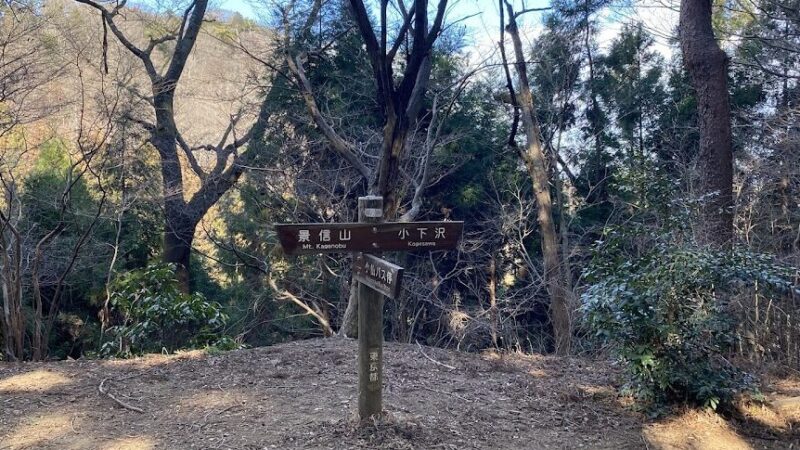
In Demon Slayer, actual mountains within Tokyo Prefecture are designated as the birthplaces of characters, including Mount Kumotori (2,017 meters), the birthplace of protagonist Tanjiro Kamado; Mount Ohdake for Inosuke Hashibira; and Mount Kageshina for Muichiro Tokito. Visiting these mountains has become a popular activity among anime fans, with Mount Hinodes serving as an important spot in this pilgrimage culture.
Basic Information About Mount Hinodes
Geographical Features and Elevation
Mount Hinodes is a 902-meter mountain located in western Tokyo, on the border between Ome City and Hinode Town in Nishi-Tama County. Forming part of the Okutama Mountain Range and located at the eastern end of the Kanto Mountains, the summit offers views of Tokyo Skytree and the Tokyo cityscape. On clear days, the view extends to Mount Fuji, the Tanzawa Mountains, and the Chichibu Mountains.
At 902 meters, Mount Hinodes is of medium height for Tokyo mountains, nearly the same elevation as the nearby Mount Mitake (929 meters). With minimal snowfall and relatively easy winter climbing, the mountain attracts many hikers year-round.
History and Cultural Background
The name Mount Hinodes derives from the beautiful sunrise visible from the summit. Since ancient times, the mountain has been revered as a place of worship and, along with the adjacent Mount Mitake, served as a training ground for mountain priests (yamabushi). Today, a small shrine stands near the summit, continuing to receive local devotion.
Difficulty Level and Time Required
Mount Hinodes is known as a beginner to intermediate mountain. Using the most common route via Mount Mitake with cable car service significantly reduces elevation gain, making actual climbing time approximately 1.5 to 2 hours each way. With ridgeline hiking as the main terrain and relatively little elevation change, the mountain is accessible to those lacking confidence in fitness and to hiking beginners.
Day hiking is standard, with 4 to 5 hours total expected for round trip. However, if including time for photography and scenery viewing as part of pilgrimage activities, a schedule allowing 6 hours is recommended.
Access Methods to Mount Hinodes
Access by Train and Cable Car
The most common access route to Mount Hinodes starts from Mitake Station on the JR Ome Line.
Detailed access procedure:
- From JR Shinjuku Station to Mitake Station: Take the JR Chuo Line to Tachikawa Station and transfer to the Ome Line, exiting at Mitake Station (approximately 1 hour 30 minutes)
- From Mitake Station by bus: Take West Tokyo Bus to “Cable Lower” stop, approximately 10 minutes
- Mitake Mountain Railway Cable Car: Travel from Takimoto Station to Mitake Mountain Station, approximately 6 minutes (ascending to 831 meters elevation)
- From Mitake Mountain Station to Mount Hinodes: Approximately 1.5 to 2 hours on foot
Cable car operating hours vary seasonally but typically run from approximately 7:30 AM to 6:00 PM. Fares are 600 yen one-way, 1,130 yen round-trip (as of 2024).
Vehicle Access and Parking Information
By car, traveling approximately 30 minutes from the Aome IC on the Chuo Ring Expressway reaches the Takimoto Station area of Mitake Mountain Railway. Multiple paid parking lots surround Takimoto Station, available at approximately 1,500 yen per day. Early arrival is recommended for weekends, holidays, and especially during fall foliage season due to congestion.
Alternative Hiking Routes
Mount Hinodes has multiple hiking routes beyond the Mount Mitake route:
- Tsuru-Tsuru Hot Spring Course: Access from Hinode Town side with opportunities to enjoy hot springs after descent
- Shiraiwa Falls Course: Direct ascent from Ome City side, slightly more demanding
- Hinode Town Hall Course: Most direct route but with significant elevation gain, for experienced hikers
For pilgrimage visits, the Mount Mitake route is most recommended as it allows enjoyment of scenery while hiking safely.
Recommended Hiking Routes in Detail
[Beginner-Friendly] Mount Mitake Route
The most popular route, ideal for Demon Slayer sacred pilgrimage visits.
Route overview:
- Total distance: Approximately 6km (round trip)
- Time required: 3 to 4 hours (excluding rest stops)
- Elevation gain: Approximately 100m (with cable car)
- Difficulty: Beginner
Detailed itinerary:
- Mitake Mountain Station (831m elevation): After exiting the cable car, explore the Mitake Mountain settlement. Visiting Musashi Mitake Shrine is also possible
- Musashi Mitake Shrine (929m elevation): Climb long stone steps to the shrine. Follow trail markers toward Mount Hinodes
- Near Mount Mitake summit: Enjoy the observation platform views before descending toward Mount Hinodes
- Ridgeline hiking: From Mount Mitake to Mount Hinodes features generally level ridgeline hiking. A pleasant course passes through beech and Japanese oak forests
- Mount Hinodes summit (902m elevation): The summit has a shelter providing optimal rest. Enjoy a 360-degree panoramic view
Route highlights:
The ridgeline section is relatively flat and easy to walk, allowing enjoyment of forest bathing. Well-marked trails minimize confusion. However, caution is necessary as the route becomes slippery during rain.
[Intermediate] Tsuru-Tsuru Hot Spring Loop Route
Recommended for those wishing to enjoy a hot spring after descent.
Route overview:
- Total distance: Approximately 8km
- Time required: 4 to 5 hours
- Elevation gain: Approximately 700m
- Difficulty: Intermediate
Detailed itinerary:
- Tsuru-Tsuru Hot Spring (approximately 400m elevation): Starting point
- Steep ascent section: Initial steep climbing eases after approximately 30 minutes
- Mount Hinodes summit: Arrives at summit in approximately 2 hours
- Via Mount Mitake: Traverse ridgeline to Mount Mitake
- Cable car: Descend from Mitake Mountain Station via cable car and return to Tsuru-Tsuru Hot Spring by bus
This route requires considerable fitness due to significant elevation gain, but the post-hike hot spring eases fatigue.
Seasonal Highlights and Precautions
Spring (March–May):
- Fresh green vegetation is beautiful, with mountain wildflowers like violets and dogtooth violets visible
- Stable temperatures make this an optimal hiking season
- Golden Week brings crowds; early departure is recommended
Summer (June–August):
- Deep green forest bathing is enjoyable
- High temperatures require adequate water intake
- Afternoon thunderstorms possible; early activity recommended
Autumn (September–November):
- Fall foliage is beautiful, the most popular season
- Peak foliage period from late October to early November
- Weekday visits recommended due to crowds
Winter (December–February):
- Clear air and distant visibility; Mount Fuji beautifully visible
- Minimal snowfall but icy conditions require attention
- Early sunset necessitates schedules with ample time
Mount Hinodes Summit Highlights
Summit Views and Scenery
Mount Hinodes’ summit, being open terrain, offers 360-degree panoramic views. East shows Tokyo Skytree and downtown high-rise buildings, southwest displays Mount Fuji, north shows the Chichibu Mountains, and west shows a chain of Okutama peaks. Particularly on clear winter days, the clear air allows extensive visibility, providing spectacular scenery.
A shelter and benches at the summit provide ideal rest and lunch spots. Many hikers enjoy meals here while appreciating the views.
Sacred Pilgrimage Photography Locations
Mount Hinodes summit serves as a popular location for Demon Slayer fans to take commemorative photos honoring Gyomei Himejima’s birthplace. Photography in front of the summit marker is standard, while photos with Tokyo’s cityscape as backdrop are also popular.
Recommended shooting locations:
- In front of the summit marker (902m elevation display)
- View toward Mount Fuji from the shelter
- Mountain scenery looking back toward Mount Mitake from the ridgeline
- Sunrise or sunset times (for early morning hikes or overnight stays)
Attaching hashtags like “#DemonSlayerPilgrimage,” “#MountHinodes,” and “#GyomeiHimejima” when posting to social media helps connect with fellow fans.
Facilities and Rest Areas Near the Summit
The summit has no restroom facilities; it is recommended to use facilities near Mitake Mountain Station. The shelter provides wind and rain protection but is cold in winter, requiring appropriate clothing.
No water sources exist; bring necessary drinking water from lower elevations. Always pack out all trash to help preserve the natural environment.
Nearby Demon Slayer Sacred Pilgrimage Sites
Mount Kumotori (Tanjiro’s Birthplace)
Mount Kumotori, the birthplace of protagonist Tanjiro Kamado and Tokyo’s highest peak at 2,017 meters, is not directly accessible from Mount Hinodes but deserves a pilgrimage visit as a significant Okutama area site.
Mount Kumotori involves serious mountaineering requiring a typical two-day itinerary. Summit views are remarkable, with the sunrise-illuminated sea of clouds being particularly impressive. The mountain attracts both Demon Slayer fans and general mountaineering enthusiasts.
Access: From JR Okutama Station via bus to Kamosawa bus stop, then on foot to trailhead
Time required: 2 days (day hikes possible but for experienced hikers)
Difficulty: Intermediate to advanced
Mount Ohdake (Inosuke’s Birthplace)
Mount Ohdake (1,266 meters), the birthplace of pig-mask-wearing Inosuke Hashibira and one of Okutama’s representative mountains, is accessible to experienced hikers via ridge traverse from Mount Hinodes through Mount Mitake.
The summit features rocky terrain with 360-degree views, particularly beautiful views of Mount Fuji that match Inosuke’s wild character personality.
Access: From Mitake Mountain Station via hiking trail
Time required: 4 to 5 hours round trip from Mount Mitake
Difficulty: Intermediate
Mount Kageshina (Muichiro’s Birthplace)
Mount Kageshina (727 meters), the birthplace of Mist Hashira Muichiro Tokito, sits in the Takao Mountain area, away from Mount Hinodes but valuable as a Tokyo sacred site.
The summit has a tea house offering specialty miso ramen and oden. Positioned along the ridge traverse route between Takao Mountain and Jinba Mountain, it is relatively easy to climb.
Access: From JR Takao Station or Keio Line Takao Sangu Station via bus
Time required: 3 to 4 hours round trip from trailhead
Difficulty: Beginner to intermediate
Mount Mitake and Musashi Mitake Shrine
Mount Mitake, located along the hiking route to Mount Hinodes, is itself a historic sacred mountain. Musashi Mitake Shrine sits near the summit, having served as a center of mountain worship since ancient times.
Lodges and souvenir shops line the shrine area, creating a unique atmosphere. Visitors experience traditional Japanese mountain worship philosophy that resonates with Demon Slayer’s worldview. Those collecting shrine stamps (goshuin) should definitely visit.
Preparation and Equipment for Hiking
Essential Equipment
Although Mount Hinodes caters to beginners, it remains mountainous terrain requiring proper equipment. Prepare the following essential items:
Basic equipment:
- Hiking boots or trekking shoes (sneakers prohibited)
- Backpack (20–30L)
- Waterproof jacket (separated upper and lower pieces)
- Warm layer (fleece or down jacket)
- Hat (sun protection and warmth)
- Gloves
- Headlamp (with spare batteries)
- Map and compass (smartphone map apps also effective)
- Cell phone with power bank
- First aid kit (adhesive bandages, disinfectant, pain reliever, etc.)
Food and drink:
- Water (1–1.5L)
- Trail snacks (rice balls, bread, chocolate, nuts, etc.)
- Emergency food (Calorie Mate, etc.)
Other:
- Garbage bags (take everything out)
- Toilet paper (remove cardboard core)
- Sunscreen
- Insect repellent spray (summer)
- Towel or handkerchief
- Trekking poles (optional but helpful)
Clothing Recommendations
Mountain clothing basics involve “layering” to adapt to temperature changes and perspiration. Wear easily removable clothing.
Recommended clothing:
- Base layer: Quick-dry inner wear (avoid cotton)
- Middle layer: Fleece or thin down jacket
- Outer layer: Wind and waterproof jacket
- Pants: Stretch-friendly hiking pants
- Socks: Thick mountaineering socks
Jeans and cotton t-shirts are unsuitable as moisture-soaked clothing causes dangerous body heat loss. Always choose synthetic or wool materials.
Weather Checking and Hiking Plans
Always check weather forecasts before hiking and change plans if bad weather is expected. Pay particular attention to the following:
Weather check points:
- Current day and previous day forecasts
- Wind speed (strong winds reduce visibility and lower perceived temperature)
- Precipitation probability (rain increases fall hazard)
- Temperature (temperature drops approximately 0.6 degrees per 100 meters elevation)
Submit a hiking plan (notification of intent) for emergency preparedness. Online submission services are available.
Safety Considerations for Responsible Hiking
Hiking Etiquette and Nature Conservation
Mount Hinodes attracts many hikers. Follow these rules for everyone to enjoy hiking comfortably:
Basic etiquette:
- Ascending hikers have priority when encountering others
- Exchange greetings (“Konnichiwa,” etc.)
- Pack out all trash
- Do not collect plants
- Stay on designated trails (shortcuts prohibited)
- Avoid loud noise
- Refrain from playing music while hiking
Health Management and Emergency Response
Constant awareness of personal physical condition and avoiding overexertion during climbing is paramount.
Health management tips:
- Frequent hydration (drink before thirst)
- Regular rests (approximately 10 minutes per hour)
- Energy replenishment with trail snacks
- Rest early when fatigue is felt
Emergency contacts:
- Police (mountain rescue): 110
- Fire department (ambulance): 119
- Ome Police Station: 0428-22-0110
If lost, do not wander; return the way you came or stay in place awaiting rescue.
Wildlife Encounters
Mount Hinodes’ surroundings host wild boars, deer, and bears. Bear sightings have increased recently, requiring caution.
Wildlife safety measures:
- Carry bear bells or whistles
- Avoid solo hiking
- Extra caution during early morning and dusk
- If encountered, retreat slowly without panic
- Avoid food odors
Tips for Deeper Pilgrimage Enjoyment
Experiencing the Demon Slayer Worldview
Enhance Mount Hinodes pilgrimage through these approaches:
Recommended enjoyment methods:
- Review Gyomei Himejima’s anime scenes before hiking
- Recite Stone Breathing technique names while walking
- Listen to Demon Slayer themes at the summit (using earphones)
- Exchange information with fellow fans (if encountered)
- Share hiking records on social media
Photography Tips
Preserve pilgrimage memories beautifully through photography techniques:
Photography points:
- Early morning light provides beautiful conditions
- Respect queuing etiquette for summit marker photos
- Use wide-angle lenses for expansive mountain views
- Include people with awareness of scenic breadth
- Wait for cloud and light changes for dramatic photographs
Combination Plans with Other Sacred Sites
Tour Tokyo Demon Slayer pilgrimage sites efficiently:
1-day plan (beginner-friendly):
- Morning: Mount Hinodes hike (via Mount Mitake)
- Afternoon: Musashi Mitake Shrine visit and stamp collection
- Evening: Relax at Tsuru-Tsuru Hot Spring
2-day plan (intermediate):
- Day 1: Mount Hinodes–Mount Ohdake ridge traverse, overnight temple lodge
- Day 2: Mount Kageshina hike and Takao Mountain area exploration
3-day plan (advanced):
- Day 1: Mount Kumotori hike (mountain lodge overnight)
- Day 2: Descend and move to Mount Hinodes
- Day 3: Mount Hinodes–Mount Ohdake ridge traverse
Nearby Tourism and Dining Information
Recommended Hot Springs After Descent
Hot spring facilities to relieve hiking fatigue:
Shogai Seishun no Yu Tsuru-Tsuru Hot Spring:
- Day-use hot spring in Hinode Town
- Popular for alkaline hot spring water benefits
- Many post-hike visitors
- Fee: 860 yen for adults
- Operating hours: 10:00–20:00 (final admission 19:00)
Moegi no Yu:
- Day-use hot spring near Okutama Station
- Convenient after Mount Kumotori hikes
- Fee: 780 yen for adults
- Operating hours: 9:30–20:00
Local Cuisine and Souvenirs
Regional delicacies and souvenirs:
Recommended cuisine:
- Okutama soba: Hand-made buckwheat noodles using local flour
- Mountain vegetable dishes: Local seasonal cuisine
- Venison: Popular game meat
- Craft beer: Okutama beer, etc.
Souvenirs:
- Wasabi pickle: Using local Okutama wasabi
- Local sake: Sawanoi and other local breweries’ Japanese alcohol
- Woodcraft: Traditional crafts sold near Mitake area
- Mountain badges: Commemorative badges for Mount Hinodes and Mount Mitake
Accommodation Information
For early morning hikes or consecutive climbing:
Mount Mitake temple lodges:
- Multiple lodges near Musashi Mitake Shrine
- Experience Buddhist vegetarian cuisine and morning prayers
- Fee: 8,000 yen and up including two meals
- Reservations essential (especially weekends)
Ome City area hotels and inns:
- Business hotels near JR Ome Station
- Fee: 5,000 yen and up per night
- Convenient access to trailheads
Conclusion: Experience the Demon Slayer World at Mount Hinodes
Mount Hinodes, the birthplace of Stone Hashira Gyomei Himejima from Demon Slayer, attracts many devoted fans. Despite its relatively modest 902-meter elevation, the summit view is spectacular, extending from Tokyo’s cityscape to Mount Fuji.
The Mount Mitake route through cable car use makes this an accessible mountain for beginners while delivering the pleasure of ridgeline hiking. Surrounding peaks designated as birthplaces of other characters—Mount Kumotori (Tanjiro), Mount Ohdake (Inosuke), and Mount Kageshina (Muichiro)—establish Mount Hinodes as an ideal pilgrimage base.
Hiking represents an outdoor activity within nature. Remember appropriate equipment, adequate preparation, and safety considerations while experiencing the Demon Slayer worldview and enjoying the remarkable experience at Mount Hinodes. Breathing the air of the mountain where Gyomei Himejima grew strong and sensing the source of his strength during this journey will undoubtedly create unforgettable memories.
Through pilgrimage activities, experience the special convergence of anime worldview and actual nature at Mount Hinodes.