Introduction: The Relationship Between Uma Musume and the Former Nomura Securities Fuchu Branch
“Uma Musume Pretty Derby” is an extremely popular content featuring beautiful girl characters who are personifications of racehorses. In anime and games, many real racecourse-related facilities and buildings appear, and among fans, “sacred site pilgrimages” are actively conducted.
Among these, the former Nomura Securities Fuchu Branch, which actually exists in Fuchu City, Tokyo, holds special significance as one of the sacred sites for Uma Musume fans. This building is sometimes depicted in the work as an important element that constitutes the landscape around Fuchu Racecourse.
In this article, we will provide comprehensive explanations of the former Nomura Securities Fuchu Branch, covering its historical background, access methods, sacred site pilgrimage points, and surrounding tourist spots.
About the Former Nomura Securities Fuchu Branch
Building Overview and History
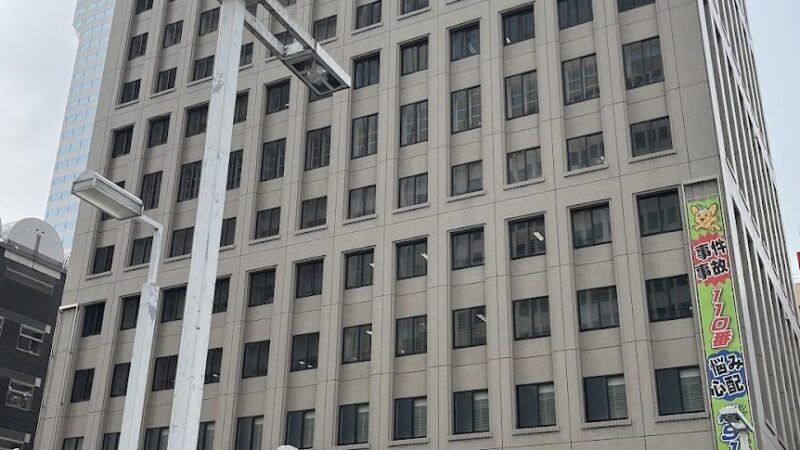
The former Nomura Securities Fuchu Branch was a branch building of a securities company located in Fuchu City, Tokyo. Fuchu City is known for being home to Tokyo Racecourse (Fuchu Racecourse), and is deeply connected to horse racing culture.
Nomura Securities is one of Japan’s leading securities companies and formerly had a branch in Fuchu City. This building was positioned along the road from Fuchu Station heading toward Tokyo Racecourse, and was a familiar landmark for those visiting the racecourse.
The building’s exterior possesses the typical style of securities company branches from the Showa to Heisei periods, serving as a valuable reminder of the streetscape of that era.
The Relationship Between Fuchu City and Horse Racing
Fuchu City is the location of Tokyo Racecourse, operated by the Japan Racing Association (JRA), making it one of the centers of horse racing culture in Japan. Major races representing Japanese horse racing, such as the Japan Derby (Tokyo Yushun) and Japan Cup, are held at Tokyo Racecourse.
Against this background, within Fuchu City there exist numerous horse racing-related facilities, restaurants and lodging establishments frequented by racing fans, and more. The former Nomura Securities Fuchu Branch, as part of this horse racing cultural sphere, has long been a component of Fuchu’s cityscape.
Appearances in Uma Musume Works
Depictions in the Work
“Uma Musume Pretty Derby” faithfully reproduces actual racecourses and related facilities. The former Nomura Securities Fuchu Branch building sometimes appears as part of the background when depicting the landscape around Fuchu Racecourse.
Within the work, real buildings and scenery are finely detailed in scenes where Uma Musume head toward races at Fuchu Racecourse or walk around the racecourse area. This attention to detail creates the joy of “sacred site pilgrimages” for fans.
Meaning for Fans
For Uma Musume fans, visiting real locations that appear in the work is a special opportunity to experience the work’s world more deeply. Seeing actual buildings like the former Nomura Securities Fuchu Branch allows fans to realize that the scenery they saw in anime and games exists in reality, deepening their affection for the work.
In particular, the area around Fuchu Racecourse forms the core of the Uma Musume world view, and the former Nomura Securities Fuchu Branch, as one element constituting that landscape, has become a sacred site visited by many fans.
Access Methods and Location Information
Basic Information
Location: Fuchu City, Tokyo (We recommend confirming the detailed address on-site)
Nearest Stations:
- Keio Line “Fuchu Racecourse Main Gate Station”
- Keio Line “Fuchu Station”
- JR Musashino Line / Nambu Line “Fuchu Honmachi Station”
Train Access
From the Shinjuku Area
- From Shinjuku Station on the Keio Line, take an express or semi-express train for approximately 25 minutes to “Fuchu Station”
- Or get off at “Fuchu Racecourse Main Gate Station” (some trains only stop here on racing days)
- From the station, walk toward Fuchu Racecourse
From Tokyo Station Area
- Take the JR Chuo Line to Tachikawa Station (approximately 40 minutes)
- Transfer to the Nambu Line and get off at “Fuchu Honmachi Station” (approximately 10 minutes)
- Alternatively, take the Chuo Line to Shinjuku Station and transfer to the Keio Line
Walking Access
The building is located along the road heading from Fuchu Station toward Tokyo Racecourse. There are plenty of signposts to the racecourse, so you’re unlikely to get lost.
From Fuchu Station: Approximately 15–20 minutes on foot
From Fuchu Racecourse Main Gate Station: Approximately 10–15 minutes on foot
Access by Car
It takes approximately 10 minutes from the Chuo Expressway “Chofu IC.” However, the surrounding roads become extremely congested on racing days, so public transportation is strongly recommended.
Regarding parking, the building’s own parking lot is likely unavailable, so you would need to use nearby coin parking.
Sacred Site Pilgrimage Points
Photography Spots
Here are photography spots to consider when visiting the former Nomura Securities Fuchu Branch.
Building Exterior
Photographing from the front of the building is the basic approach. An angle that captures the entire building from across the road is recommended. However, if it’s a road with heavy traffic, please pay careful attention to safety.
Combination with Surrounding Scenery
By photographing with a composition that includes surrounding buildings and street trees as part of the landscape along the path to Fuchu Racecourse, you can capture photos that more closely resemble the atmosphere in the work.
Precautions When Visiting
Observing Etiquette
- No Entry to Private Property: The building and its grounds are private property. Absolutely avoid entering the grounds without permission.
- Consideration for Noise: The surroundings are residential or commercial areas. Please refrain from loud conversation or noise.
- Take Trash With You: Always take trash with you to preserve the area’s appearance.
- Obey Traffic Rules: Avoid running into the road out of excitement about photography and ensure you don’t obstruct traffic.
Photography Considerations
- Be considerate of the privacy of building residents or users, and be careful not to include people in your photos
- Avoid staying for long periods and be considerate of other visitors
- Keep tripod usage short in areas where it won’t impede pedestrians
Recommended Visit Times
Racing Days
When horse racing is held at Tokyo Racecourse, the entire town of Fuchu is enveloped in a racing atmosphere, allowing you to feel the Uma Musume world view more strongly. However, it will be very crowded, so you may want to avoid it if you want to photograph leisurely.
Weekdays
Weekdays have relatively light foot traffic, allowing you to enjoy photography and sightseeing in a calm environment. However, some surrounding restaurants and shops may be closed.
Seasons
Spring (cherry blossom season) and autumn (autumn foliage season) are beautiful times in Fuchu’s landscape and good periods for photogenic shots. Particularly during the Japan Derby in spring, the area is bustling with racing fans and Uma Musume fans.
Nearby Sacred Sites and Tourist Attractions
Tokyo Racecourse
When you visit the former Nomura Securities Fuchu Branch, you definitely should stop by Tokyo Racecourse.
Facility Overview
Tokyo Racecourse is one of Japan’s largest racecourses, hosting numerous races throughout the year. For Uma Musume fans, it is the very stage of the work and the most important sacred site.
Uma Musume-Related Exhibitions
Depending on the time period, collaboration events with Uma Musume are occasionally held within the racecourse. These include merchandise sales, life-size panel displays, and voice actor talk shows—welcome events for fans.
Entry Methods
- On Racing Days: Admission fee required (approximately 200 yen for general admission)
- Non-Racing Days: Generally not open to the public (except during special events)
Fuchu Municipal Forest Museum
A museum where you can learn about Fuchu’s history and culture. Exhibits include information about how Fuchu developed and its connection to the racecourse, allowing you to deepen your understanding of the region.
Access: Approximately 10 minutes by bus from Fuchu Station
Ōkunitama Shrine
An ancient shrine with over 1,900 years of history, located a 5-minute walk from Fuchu Station. As the chief shrine of Musashi Province, it holds high status and is crowded during New Year visits and the “Kurakami Festival” annual festival.
Many racing fans visit to pray for racing success, and it is also popular among Uma Musume fans as a spot to pray for “luck in competition.”
Shopping Streets Around Fuchu Station
Around Fuchu Station, there are well-developed shopping streets lined with restaurants, cafes, bookstores, and more. It’s perfect for taking a break or eating during your sacred site pilgrimage.
On racing days, some restaurants offer special menus for racing fans, allowing you to experience horse racing culture firsthand.
Sacred Site Pilgrimage Model Courses in the Fuchu Area
Half-Day Course (Approximately 4 hours)
9:00 Arrival at Fuchu Station
↓ 5-minute walk
9:05–9:30 Ōkunitama Shrine Visit
Pray for luck in competition
↓ 15-minute walk
9:45–10:15 Former Nomura Securities Fuchu Branch
Exterior photography and neighborhood exploration
↓ 10-minute walk
10:25–12:30 Tokyo Racecourse
(On racing days) Watch races, explore the grounds, purchase merchandise
↓ 15-minute walk
12:45–13:30 Lunch Near Fuchu Station
Eat at a shopping street restaurant
13:30 Depart from Fuchu Station
Full-Day Course (Approximately 8 hours)
In addition to the above half-day course, add the following:
14:00–15:30 Fuchu Municipal Forest Museum
Travel by bus and learn about Fuchu’s history
↓ Travel by bus
16:00–17:00 Cafe Time Around Fuchu Station
Organize merchandise, check photos
17:00–18:00 Purchase Souvenirs at Shopping Street
18:00 Depart from Fuchu Station
Gourmet Information for the Fuchu Area
Racecourse Gourmet
There are numerous restaurants within Tokyo Racecourse where you can enjoy cuisine unique to the racecourse.
- Tuffy: Menus featuring “Tuffy,” the racecourse’s official mascot
- Lucky Meals: Bowls and set meals with auspicious names
- Stand Gourmet: Light food that’s easy to eat
Around Fuchu Station
Long-Established Soba Restaurants
Fuchu has several historic soba restaurants where you can enjoy authentic Edo-style soba noodles.
Cafes and Tea Houses
Cafes are scattered around the station, perfect for taking a break during your sacred site pilgrimage.
Izakayas and Restaurants
On racing days, many izakayas are lively with horse racing talk, allowing you to experience horse racing culture.
Information for Uma Musume Fans in Fuchu
Event Information at the Racecourse
Uma Musume collaboration event information is announced on the JRA official website and Tokyo Racecourse’s official Twitter. Check these in advance to plan your visit.
Merchandise Purchase Spots
Within the Racecourse
- UMAJO SPOT: Merchandise corner for female racing fans
- Tuffy Shop: Official racecourse merchandise
- Special Shops During Collaboration Events: Uma Musume merchandise may be sold
Around Fuchu Station
- Bookstores: Uma Musume-related products may be handled in anime and game sections
Accommodation Information
Fuchu City has multiple business hotels available as bases for sacred site pilgrimages. However, during major G1 races, rooms often sell out quickly, so early reservations are necessary.
Nearby Chofu City, Kokubunji City, and Tachikawa City have plenty of accommodation options with convenient train access.
Current Status of the Former Nomura Securities Fuchu Branch
Current State of the Building
The former Nomura Securities Fuchu Branch may have changed its use after ceasing operations as a Nomura Securities branch. We recommend confirming the latest information before visiting.
There is a possibility that the building may have been demolished or undergone major renovations, so those planning sacred site pilgrimages should gather the latest information from SNS and fan communities beforehand.
Possibility of Redevelopment
Fuchu City is an area where development continues within Tokyo, and redevelopment projects may proceed in the station area and around the racecourse.
There is a non-zero possibility that buildings that have become sacred sites could become targets for redevelopment, so visiting while possible is recommended.
Making Sacred Site Pilgrimages More Enjoyable
Previewing the Work
Before your visit, review episodes of “Uma Musume Pretty Derby” anime or play through racecourse scenes in the game to make your sacred site pilgrimage more enjoyable.
In particular, confirming episodes depicting major races held at Tokyo Racecourse (Japan Derby, Japan Cup, Tenno Sho Autumn, etc.) will increase the emotional impact of being on-site.
Basic Horse Racing Knowledge
Since Uma Musume is a work inspired by horse racing, having basic knowledge of horse racing will deepen your understanding of the work.
- Types of Races: G1, G2, G3, and other grading systems
- Distances: Short distance, mile, middle distance, long distance
- Track Conditions: Good, slightly heavy, heavy, poor
- Racecourse Characteristics: Tokyo Racecourse is a left-turning course with a long straightaway (525.9m)
Information Sharing on SNS
Sharing your sacred site pilgrimage experiences on Twitter, Instagram, and other SNS allows you to interact with other fans. Utilize hashtags like “#UmaMusume,” “#SacredSitePilgrimage,” and “#FuchuRacecourse.”
However, be careful with location sharing and protect your privacy and security.
Contributing to the Community
By patronizing restaurants in the areas you visit during sacred site pilgrimages or purchasing souvenirs, you contribute to the local economy.
By visiting with proper etiquette, you help build positive relationships between local residents and fans, maintaining an environment where sacred site pilgrimages remain welcome.
History and Culture of the Fuchu Area
History of Fuchu
Fuchu City has flourished since ancient times when it served as the site of the provincial government of Musashi Province, functioning as the political and economic center. The name “Fuchu” derives from “the center of the provincial government.”
It developed as a town in front of Ōkunitama Shrine, and during the Edo period, it also thrived as a post station on the Koshu Kaido.
History of the Racecourse
Tokyo Racecourse was established in 1933 (Showa 8). Initially operated as Meguro Racecourse, it was relocated to Fuchu in 1907, becoming the current Tokyo Racecourse.
Following the establishment of the Japan Racing Association (JRA) in the postwar period, it has developed as a central racecourse in Japanese horse racing.
Fuchu and Horse Racing Culture
Fuchu City has formed a unique culture through the presence of the racecourse. On racing days, many racing fans visit, and the entire town is enveloped in racing excitement.
Local shopping streets coexist with racing culture, with numerous shops providing services and products catering to racing fans.
The Relationship Between Uma Musume and Real Horses
Real Horses as Models
Characters in “Uma Musume Pretty Derby” are based on real racehorses. Many famous horses that competed at Tokyo Racecourse have been reimagined as characters.
- Tokai Teio: Winner of the 1991 Japan Derby
- Mejiro Mcqueen: Famous horse with consecutive Emperor’s Cup (Spring) victories
- Oguri Cap: “Monster of gray hair” who became popular
- Deep Impact: Undefeated triple crown winner (appears in game version)
Creating Memories at the Racecourse
When visiting Tokyo Racecourse, by actually observing races, you can watch current racehorses galloping on the same course where the real horses that served as models for Uma Musume characters raced.
This experience not only deepens understanding of the work but also provides an opportunity to discover the appeal of horse racing itself.
Conclusion: The Former Nomura Securities Fuchu Branch and Sacred Site Pilgrimage
The former Nomura Securities Fuchu Branch is an important element that constitutes the landscape around Fuchu Racecourse as one of the sacred sites of “Uma Musume Pretty Derby.”
Visiting this building carries meaning beyond simply “seeing the background of an anime.” It is an opportunity to experience the town of Fuchu, where horse racing culture thrives, to visit the stage where real racehorses galloped, and to deepen understanding of the Uma Musume world view.
Sacred Site Pilgrimage Key Points Review
- Pre-Visit Preparation: Confirm the latest information and plan your visit
- Observing Etiquette: Never forget consideration for local residents and other visitors
- Utilizing Surrounding Facilities: Visit nearby sacred sites such as Tokyo Racecourse and Ōkunitama Shrine
- Contributing to the Community: Use local restaurants and shops to support the local economy
- Recording Memories: Document with photos and videos, sharing on SNS (with privacy considerations)
Special Experiences Offered by Fuchu
The town of Fuchu possesses a unique charm where horse racing culture and history converge. For Uma Musume fans, visiting this town is a special experience that brings you closer to the work’s world.
Sacred site pilgrimage beginning with a single building, the former Nomura Securities Fuchu Branch, expands to emotions at Tokyo Racecourse, prayers at Ōkunitama Shrine, and encounters within the streets of Fuchu.
Final Thoughts
Sacred site pilgrimages for Uma Musume provide an invaluable opportunity for fans to create precious memories. When visiting the former Nomura Securities Fuchu Branch, refer to the information introduced in this article to realize a safe and enjoyable sacred site pilgrimage.
Then, fully savor the charm of Fuchu and experience the Uma Musume world view more deeply. I hope your sacred site pilgrimage becomes a wonderful memory.
Run forward, Trainer! The streets of Fuchu await you!