“My Dress-Up Darling” (hereafter referred to as “Kisekoi”) is a popular anime series that aired its first season in January 2022 and its second season in July 2025. The romantic comedy following Wakana Gojo, who aspires to become a hinaningyo (Japanese doll) craftsman, and Marin Kitagawa, a cosplay enthusiast, has captivated many fans.
The greatest feature of this work is that it faithfully depicts real locations, centering on Iwatsuki Ward, Saitama City, Saitama Prefecture. Iwatsuki is known as the “City of Dolls,” a tradition continuing from the Edo period, and the model for the doll shop that is Gojo’s family home actually exists. This article provides detailed explanations of sacred sites primarily within Saitama Prefecture, including routes for actual pilgrimages, access methods, and precautions.
The Reason Sacred Sites of Kisekoi are Concentrated in Saitama Prefecture
The reason the work’s setting is centered on Iwatsuki Ward, Saitama Prefecture, is that the original author, Shinichi Fukuda, conducted meticulous location scouting and used real locations as models. In particular, Iwatsuki, as the “City of Dolls” with over 400 years of history, perfectly matches the setting where Gojo aspires to become a hinaningyo craftsman.
Many doll shops still line the streets of Iwatsuki, and townscapes where traditional crafts continue to thrive remain. In the anime, this historical background and contemporary youth culture are beautifully fused, creating a realistic setting.
Main Sacred Sites in the Iwatsuki Area
Around Iwatsuki Station
Iwatsuki Station on the Tobu Urban Park Line is an important location serving as the starting point for Kisekoi sacred site pilgrimages. The station appears multiple times in the work as the one used by Gojo and Marin for their commute to school. The exterior of the station building, areas around the ticket gates, and the appearance of the platforms are depicted faithfully to the anime.
Iwatsuki Station is on the Tobu Urban Park Line (formerly the Noda Line), approximately 15 minutes by ordinary train from Omiya Station. The station front features a sign reading “Iwatsuki, Town of Dolls,” adding to the atmosphere of sacred site pilgrimage.
Gojo’s Family Home Model: Doll Shops in Iwatsuki
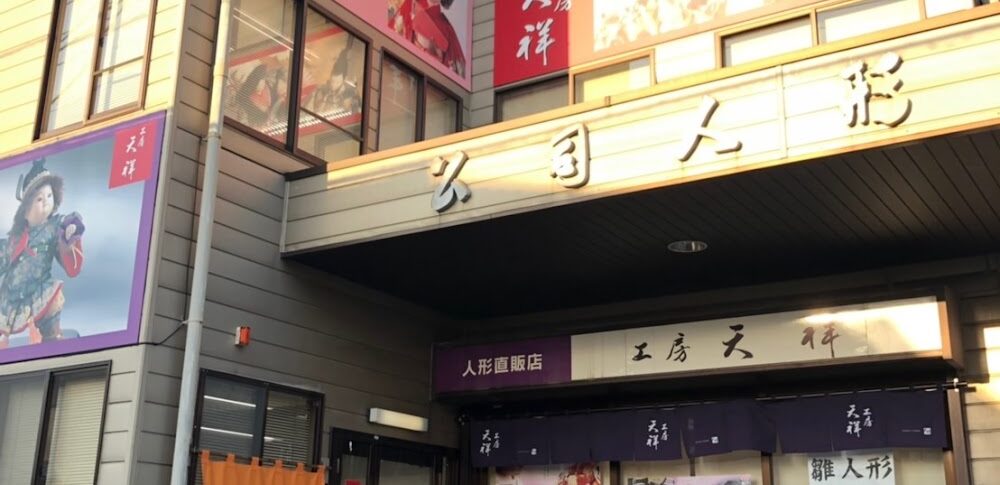
The model for “Gojo Dolls,” Gojo’s family business, is an established doll shop that actually exists in Iwatsuki. Specifically, it is said that multiple doll shops such as Suzuki Ningyou and Kojo Ningyou served as models.
These doll shops, scattered within walking distance from Iwatsuki Station, retain traditional architectural styles continuing from the Edo period and allow you to fully experience the atmosphere of the anime. However, these are actual operating businesses, so when viewing them, consideration is necessary—limiting yourself to photographing the exteriors without interfering with business.
Visiting the Iwatsuki Doll Museum alongside these shops allows you to gain deeper understanding of the world of hinaningyo that Gojo studies.
Gojo’s Commute Route
The roads appearing in scenes where Gojo cycles to school are based on real streets in the Iwatsuki Station area. You can compare and tour particularly around Jionji Bridge and the roads passing through Iwatsuki’s residential neighborhoods with the anime scenes.
The commute scenes depict flat roads characteristic of Saitama and scenery of houses lining the streets. Many fans actually tour by bicycle, and it has become a popular route where you can experience Gojo’s feelings. However, as these are residential roads, follow traffic rules and show consideration for residents while touring.
Higashi-Iwatsuki Station
Higashi-Iwatsuki Station, the station next to Iwatsuki Station, is also an important location appearing in the work. It is used in scenes where Gojo and Marin meet up, with the station’s exterior and surrounding scenery faithfully recreated.
Higashi-Iwatsuki Station is smaller than Iwatsuki Station but sits in a quiet residential neighborhood, allowing you to feel the everyday atmosphere of the work.
Sacred Sites in the Omiya Area
Around Omiya Station
Omiya Station on the Tobu Urban Park Line occupies an important position as the gateway to Iwatsuki. It connects with JR Omiya Station, and many fans visiting from afar pass through here.
Around the station, various locations serving as models for scenes where Gojo and Marin go shopping are scattered throughout.
Near Excellent Omiya Building
Near Excellent Omiya Building, within walking distance from the east exit of Omiya Station, appears in scenes where the two go to buy cosplay costume materials. The atmosphere of Omiya’s shopping district is reflected in the work, with modern urban scenery fused with the work’s worldview.
This area has many commercial facilities and restaurants, making it suitable for taking breaks during pilgrimages.
Sacred Sites in the Yashio and Shin-Misato Areas
Yashio Abandoned Hospital Studio
The location used for filming scenes where Marin does her shoots is the Yashio Abandoned Hospital Studio. Though actually operated as a filming studio, it is not open to the public, but its exterior can be confirmed.
Tsukuba Express Yashio Station is the nearest station, but attention is necessary for access as there is distance from the station. As this facility is private property, trespassing on the grounds is strictly prohibited.
Shin-Misato Station
Shin-Misato Station, a station on the JR Musashino Line, is the nearest station to locations modeled after scenes where the two visit shopping malls. Large commercial facilities are concentrated around the station, and you can experience the atmosphere of the shopping scenes in the work.
With Lalaport Shin-Misato and IKEA present, you can actually enjoy searching for cosplay costume materials.
Other Sacred Sites Within Saitama Prefecture
Kashiwa-no-ha Area (Chiba Prefecture Border)
Strictly speaking in Chiba Prefecture’s Kashiwa City, the area around Kashiwa-no-ha Campus Station, near the Saitama border, is also one of the sacred sites. In particular, a school that served as a model for Kashiwa-no-ha High School (the official name of the educational institution is different) was used as the exterior of the school the two attend.
Tsukuba Express Kashiwa-no-ha Campus Station is the nearest station. However, as the school is an actual educational institution, limit viewing to outside the grounds to avoid interfering with classes.
Urawa and Kawaguchi Areas
Areas around Urawa Station and Kawaguchi Station also appear in some scenes. Urban scenery and commercial facilities are particularly depicted, reflecting the diverse aspects of Saitama Prefecture in the work.
Proposed Efficient Sacred Site Pilgrimage Routes
As Kisekoi’s sacred sites are scattered across a wide area of Saitama Prefecture, it is difficult to tour all of them in one day. I propose model routes for efficient touring.
One-Day Course: Iwatsuki-Focused Route
Morning
- Gather at Omiya Station (9:00)
- Travel to Iwatsuki Station by Tobu Urban Park Line (arrival 9:30)
- Photography around Iwatsuki Station
- Tour doll shops modeled after Gojo’s family home
- Visit Iwatsuki Doll Museum
Afternoon
- Tour Gojo’s commute route by bicycle or rental bike
- Around Higashi-Iwatsuki Station
- Return to Omiya Station and visit near Excellent Omiya Building
This route allows you to tour the main sacred sites without difficulty.
Two-Day Course: All of Saitama Prefecture Route
Day 1: Iwatsuki and Omiya Areas
- Same as the one-day course above
Day 2: Yashio, Shin-Misato, and Kashiwa-no-ha Areas
- Confirm exterior of abandoned hospital studio from Yashio Station
- Around Shin-Misato Station commercial facilities
- Around Kashiwa-no-ha Campus Station (school model)
This route allows you to cover almost all sacred sites within Saitama Prefecture that appear in the work.
Access Methods and Transportation
By Train
From the Tokyo Area
- JR Keihin-Tohoku, Utsunomiya, or Takasaki Lines to Omiya Station
- From Omiya Station by Tobu Urban Park Line to Iwatsuki Station (approximately 15 minutes)
From the Chiba Area
- Direct access to Iwatsuki Station via Tobu Urban Park Line
Along Tsukuba Express Lines
- Direct access to Yashio Station, Shin-Misato Station, and Kashiwa-no-ha Campus Station
By Car
There are several paid parking lots around Iwatsuki, but their number is limited. There may be congestion on weekends, so public transportation is recommended.
Iwatsuki IC on the Tohoku Expressway is the nearest interchange, but there is some distance to the city center.
Rental Bicycles
Rental bicycle services are available around Iwatsuki Station, and touring by bicycle like Gojo is popular. The flat terrain makes cycling comfortable. However, follow traffic rules and pay attention to safety.
Manners and Precautions for Sacred Site Pilgrimages
No Trespassing on Private Property
Many sacred sites such as doll shops, schools, and residences are private property or operating facilities. Absolutely avoid trespassing without permission on the grounds, and photograph from public roads, respecting the rights of owners and users.
Consideration for Noise
Iwatsuki is a quiet residential neighborhood. Loud conversations and pilgrimages in early morning or late night become a nuisance to nearby residents. Especially on living streets like Gojo’s commute route, aim to tour quietly.
Take Trash Home
Littering garbage around sacred sites is strictly prohibited. Always take home any garbage from food or dispose of it in designated bins. Keeping sacred sites clean is also an important role as a fan.
Don’t Interfere with Business
At operating locations such as doll shops and commercial facilities, be careful not to interfere with customers or employees. Obtain permission before photographing inside stores and avoid prolonged stays.
Obey Traffic Rules
When touring by bicycle, strictly obey traffic rules. Cycling on sidewalks, running red lights, and riding side-by-side are dangerous and inconvenience local residents.
Charms of Iwatsuki That Can Be Enjoyed Alongside Sacred Site Pilgrimages
Iwatsuki Doll Museum
The Iwatsuki Doll Museum, which opened in 2020, is a facility comprehensively introducing Japanese doll culture. You can deeply understand the world of hinaningyo that Gojo learns, and your appreciation of the work deepens. Besides permanent exhibitions, special exhibitions are held periodically.
Iwatsuki Castle Ruins Park
A park developed from the ruins of Iwatsuki Castle, it is also known as a cherry blossom viewing spot. In spring, approximately 600 cherry trees bloom brilliantly, and the area bustles with flower-viewing visitors. A place where you can stroll while feeling history.
Iwatsuki Traditional Cuisine
Iwatsuki has local dishes and Japanese sweets passed down from ancient times. In particular, dishes using “Iwatsuki leeks” and ningyo-yaki (doll-shaped pastries) from long-established confectioneries are local gourmet foods you can enjoy during pilgrimage breaks.
Touring Doll Shops
Beyond just sacred site pilgrimages, visiting actual doll shops to observe craftsman techniques is also recommended. Many shops display and sell hinaningyo and May dolls, allowing you to feel the excellence of traditional crafts up close.
Sacred Sites That Newly Appeared in Season 2
In the second season that began airing in July 2025, new sacred sites have also appeared. In addition to locations depicted in Season 1 within Saitama Prefecture, locations from a broader range are being used.
Detailed locations will become clear as broadcasts progress, but Saitama Prefecture, centered on Iwatsuki, continues to be the primary stage. Revisiting in conjunction with Season 2’s broadcast to seek new discoveries is also enjoyable.
Accommodation Information for Sacred Site Pilgrimages
When visiting from afar, securing accommodations is important. As there are few large hotels around Iwatsuki, it is recommended to use hotels around Omiya Station or Urawa Station as your base.
Hotels Around Omiya Station
Around Omiya Station, diverse accommodations from business hotels to city hotels are available. Access to Iwatsuki is good at approximately 15 minutes by Tobu Urban Park Line.
Hotels Around Urawa Station
The area around Urawa Station is also well-equipped with accommodations, and access to Omiya Station is convenient. A relatively quiet area where you can rest comfortably.
Packing Checklist for Sacred Site Pilgrimages
Prepare the following items for a comfortable sacred site pilgrimage.
- Smartphone/Camera: Essential for photographing sacred sites. A backup battery is reassuring
- Maps/Pilgrimage Map: Confirm sacred site locations in advance and plan an efficient route
- Work Materials: Screenshots from the anime or original manga make comparisons enjoyable
- Drinks and Light Snacks: Prepare in advance as there are areas around Iwatsuki with few convenience stores
- Comfortable Walking Shoes: For long-distance walking, sneakers or other comfortable shoes are recommended
- Sunscreen and Hat: Heat stroke precautions are important for summer pilgrimages
- Raincoat and Umbrella: Prepare for weather changes
- Eco Bag: Convenient when making souvenir purchases
Ways to Enjoy Sacred Site Pilgrimages by Season
Spring (March to May)
Cherry blossoms at Iwatsuki Castle Ruins Park come into bloom, allowing you to enjoy flower viewing and sacred site pilgrimages simultaneously. In doll shops, the display transitions from hinaningyo to May dolls, allowing you to feel the passage of the seasons.
Summer (June to August)
Overlapping with the second season’s broadcast period, it is a season when many fans visit. Take thorough heat countermeasures and be careful of heat stroke while touring.
Autumn (September to November)
Pleasant weather makes this the optimal season for sacred site pilgrimages. Autumn leaves are also beautiful, and it’s a recommended time for photography.
Winter (December to February)
The same season as the first season’s broadcast, allowing for an experience closer to the work’s atmosphere. Doll shops begin displaying hinaningyo, and this is the time when you can most strongly feel Gojo’s world.
History of Kisekoi Sacred Site Pilgrimages and Regional Revitalization
“My Dress-Up Darling” was first selected in 2024 by the Japan Anime Tourism Association in “88 Japanese Anime Sacred Sites Worth Visiting.” This means Iwatsuki Ward, Saitama City was officially recognized as an “anime sacred site.”
In Iwatsuki Ward locally, various initiatives are being undertaken to leverage this opportunity for regional revitalization. Collaboration projects with doll shops and creation of tourism maps are expanding, with fans and the community working together to boost the work.
The fusion of Iwatsuki’s traditional doll-making industry and contemporary anime culture realizes a new form of cultural transmission. Through sacred site pilgrimages, rediscover the charms of this historically rich town.
Sacred Site Pilgrimage Communities and SNS Utilization
The enjoyment of sacred site pilgrimages also lies in exchanges between fans who love the same work. Share your pilgrimage records using hashtags like “#Kisekoi Sacred Sites” “#My Dress-Up Darling” on SNS.
By referencing posts from other fans, you can discover new sacred sites and learn efficient routes. However, when posting on SNS, be mindful of privacy and copyright, and avoid causing trouble for others.
Conclusion: Rediscover Saitama’s Charms Through Kisekoi Sacred Site Pilgrimages
Sacred site pilgrimages for “My Dress-Up Darling” are not merely visits to anime filming locations. It is a precious opportunity to experience Iwatsuki Ward of Saitama Prefecture, a historic “City of Dolls,” and feel the world of traditional crafts that Gojo seeks to inherit.
By touring sacred sites scattered across a wide area centered on Iwatsuki, including Omiya, Yashio, and Shin-Misato, you can discover the diverse faces of Saitama Prefecture. Plan efficient routes and remember to show consideration for local residents, enjoying sacred site pilgrimages while observing proper etiquette.
With the broadcast of Season 2, it is expected that even more fans will visit. Why not take this opportunity to embark on a journey immersed in the work’s worldview while discovering new charms of Saitama Prefecture? Tracing the paths walked by Gojo and Marin will surely deepen your love of the work.