
What Kind of Work is “Kokuhaku” (The Cry of the Heart)? Its Deep Connection to Chichibu
“Kokuhaku” (officially titled “Kokoro ga Sakebitagatterunda.”) is an animated film released on September 19, 2015. It became a hot topic as a youth ensemble drama created by the reunion of the production team behind “Anohana: The Flower We Saw That Day” (Anohana), with the golden trio of director Nagae Tatsuyuki, screenwriter Okada Marika, and character designer Tanaka Masuga.
Chichibu City and Yokoze Town as the Story’s Setting
The main setting of this work is Chichibu City, Saitama Prefecture, and the neighboring Yokoze Town in Chichibu District. In fact, it is the second work set in Chichibu following “Anohana,” and together with “The Boy Who Knew the Sky’s Blue” released later, it is called the “Chichibu Trilogy.” Yokoze Town in particular serves as the main stage, with many real locations that form the core of the story, including the school attended by the protagonist Naruse Jun, temples appearing in important scenes, and station buildings.
The Work’s Theme and Chichibu’s Scenery
This work depicts the growth story of Jun Naruse, a girl who has sealed her words due to childhood trauma and suffers from stomach pain when speaking. The quiet townscape surrounded by Chichibu’s mountains serves as an important directorial element reflecting the delicate emotions of the characters bearing wounds in their hearts. The majestic nature of Chichibu, including Mount Bukoh, and the scenery conveying people’s lives through retro station buildings and shopping streets add depth to the story.
“Kokuhaka” Pilgrimage Sites: A Complete Guide to Must-Visit Locations
Saisho Temple No. 10, Daiji Temple (Yokoze Town)
Known as the most important pilgrimage site, Saisho Temple No. 10, Daiji Temple in Yokoze Town is the setting where Jun confesses to Takumi Sakakami about the “egg curse,” a crucial scene in the story that appears multiple times in the work.
- Address: 5151 Yokoze, Yokoze Town, Chichibu District, Saitama Prefecture
- Access: About 15 minutes on foot from Yokoze Station on the Seibu Chichibu Line
- Highlights: The stone steps in front of the main hall and the atmosphere of the grounds match the depiction in the work, making it a sacred site visited by many fans. As one of the pilgrimage routes of Chichibu temples, you can also receive a commemorative seal.
- Photography Points: The angle looking up at the main hall from the gate, the scenery overlooking Yokoze town from the grounds
Yokoze Station (Seibu Chichibu Line)
Yokoze Station is the model for the station used by Jun and her friends for commuting. The retro wooden station building is faithfully reproduced in the work, appearing in various scenes including the exterior, platforms, and level crossings.
- Address: 4091 Yokoze, Yokoze Town, Chichibu District, Saitama Prefecture
- Access: About 5 minutes by Seibu Chichibu Line from Seibu Chichibu Station
- Highlights: The wooden station building retaining Showa-era atmosphere, the station front scenery, and the view of Mount Bukoh from the platform
- Photography Points: The front of the station building, from platform toward the ticket gate, the station front rotary, and the level crossing on the north side of the station
- Pilgrimage Base: Many sacred sites are concentrated around Yokoze Station, making it an ideal starting point for pilgrimage.
Hitsujiyama Park, Mihirashi no Oka (Chichibu City)
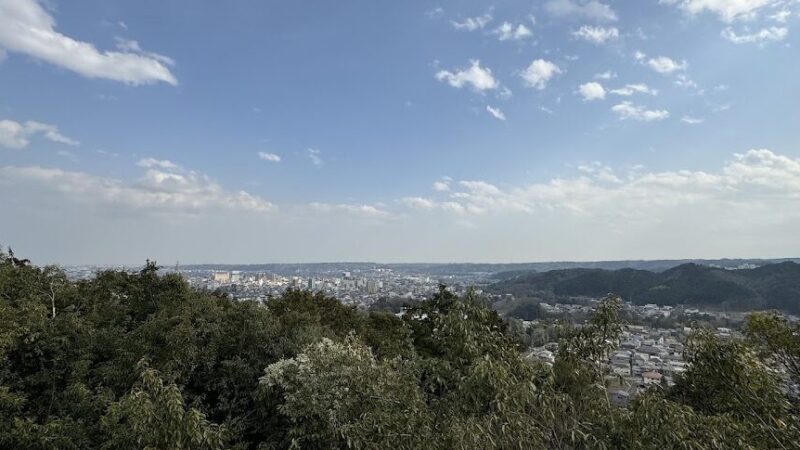
The location that served as the model for the “castle on the mountain,” which plays an important role in the work, is near Mihirashi no Oka within Hitsujiyama Park. The silhouette of the castle visible from Jun’s house and the view from the observation deck were used as references.
- Address: 6360 Omiya, Chichibu City, Saitama Prefecture
- Access: About 20 minutes on foot from Seibu Chichibu Station or Chichibu Station
- Highlights: An observation deck offering a panoramic view of Chichibu City, famous in spring as a shibazakura (moss phlox) flower site
- Photography Points: The view of Chichibu City from Mihirashi no Oka, landscapes with Mount Bukoh in the background
- Visit Tips: Since there are many slopes, comfortable shoes are recommended. Spring during shibazakura season (mid-April to early May) offers particularly beautiful scenery.
Chichibu Municipal Hanano-ki Elementary School Area
The residential neighborhood around Chichibu Municipal Hanano-ki Elementary School was used as reference for the area where Naruse Jun’s home is located. While the actual elementary school is not a filming location, the atmosphere of the surrounding townscape and roads is reflected in the work.
- Address: Banba-cho Area, Chichibu City, Saitama Prefecture
- Access: About 10 minutes on foot from Seibu Chichibu Station
- Highlights: The atmosphere of a residential area, a townscape with slopes
- Caution: Since this is a residential area, care must be taken not to cause inconvenience to residents.
Ofukuhata Station (Chichibu Railway)
Ofukuhata Station on the Chichibu Railway is also one of the station models appearing in the work. The exterior of the station building and the atmosphere of the surrounding shopping street have been incorporated into the work.
- Address: 18-11 Higashi-cho, Chichibu City, Saitama Prefecture
- Access: About 5 minutes on foot from Seibu Chichibu Station (directly connected by connecting passage)
- Highlights: A retro station building, Chichibu Railway vehicles, and the shopping street in front of the station
- Photography Points: The front of the station building, views from the platform
Banba-cho Community Hall / Community Center Front
The scenery around the Naruse household was referenced using the road in front of Banba-cho Community Hall and the scenery in front of the community center. A public facility within a residential neighborhood, it is a place where you can feel the everyday scenery of Chichibu.
- Address: Banba-cho, Chichibu City, Saitama Prefecture
- Access: About 12 minutes on foot from Seibu Chichibu Station
- Highlights: Scenery conveying the sense of community life
Jonathan’s Chichibu Store Area
The area around Jonathan’s Chichibu Store was used as reference for the family restaurant appearing in the work. The parking lot layout and building arrangement have been reflected in the work.
- Address: Banba-cho, Chichibu City, Saitama Prefecture (along National Route 140)
- Access: About 15 minutes on foot from Seibu Chichibu Station
- Highlights: The atmosphere of a suburban restaurant, scenery along the national route
Still More! A Detailed Guide to “Kokosake Spots” That Still Exist Today
Chichibu Station Area
The area around Chichibu Station on the Chichibu Railway also appears throughout the work. The shopping street in front of the station, the route toward Chichibu Shrine, and other central Chichibu scenery are depicted.
- Chichibu Station: The main station of the Chichibu Railway, characterized by a retro-style station building
- Chichibu Station Front Shopping Street: A shopping street retaining Showa-era atmosphere
- Around Chichibu Shrine: The area around Chichibu Shrine, about 3 minutes on foot from the station, is also recommended for exploration
Seibu Chichibu Station
Seibu Chichibu Station, serving as the gateway to access from the Tokyo area, is also an important location appearing in the work. The station plaza and surrounding scenery have been referenced.
- Address: 1-16-15 Nosaka-cho, Chichibu City, Saitama Prefecture
- Facilities: “Matsuri no Yu” hot spring facility directly connected to the station, food court
- Pilgrimage Starting Point: Convenient access from the Tokyo area, with a tourist information center also available
Yokoze Town Hall Area
The area around town hall in the center of Yokoze Town also appears as a background in the work. An area where public facilities of the town are concentrated, where you can feel Yokoze’s everyday scenery.
National Route 299 / Chichibu Kaido
The scenery along National Route 299 connecting Chichibu City and Yokoze Town appears throughout the work. The view of the road with Mount Bukoh in the background is impressive as scenery characteristic of Chichibu.
Mount Bukoh Viewpoints
Mount Bukoh, a symbol of Chichibu, is depicted in the background throughout the work. You can enjoy the majestic figure of Mount Bukoh from various locations including around Yokoze Station, Hitsujiyama Park, and National Route 299.
“Kokuhaka” Pilgrimage: Recommended Routes Thoroughly Explained
Half-Day Course (approximately 4 hours): Yokoze Town Concentrated Route
The most efficient course to visit major sacred sites. Primarily on foot and accessible using only public transportation.
- Seibu Chichibu Station → Travel by Seibu Chichibu Line (5 minutes)
- Yokoze Station (30 minutes): Photograph the station building, platform, and level crossing
- Daiji Temple (60 minutes): 15-minute walk to reach, leisurely sightseeing of the grounds
- Yokoze Station Area (30 minutes): Shops in front of the station and surrounding scenery
- Return to Seibu Chichibu Station (5 minutes)
- Ofukuhata Station (30 minutes): 5-minute walk to reach, view the station building and surroundings
- Seibu Chichibu Station: End
Time Required: About 4 hours (including travel, sightseeing, and photography)
Walking Distance: About 3km
Recommended For: First-time pilgrims, those with limited time
Full-Day Course (approximately 8 hours): Complete Chichibu and Yokoze Conquest Route
A fulfilling course covering all major sacred sites.
Morning Section:
- Seibu Chichibu Station Departure (9:00)
- Hitsujiyama Park, Mihirashi no Oka (90 minutes): 20-minute walk to reach, enjoy the observation deck views
- Chichibu City Center (60 minutes): Exploration around Hanano-ki Elementary School, Banba-cho Community Hall area
- Jonathan’s Chichibu Store Area (30 minutes): Confirm the exterior
Lunch: Around Chichibu Station or “Matsuri no Yu” at Seibu Chichibu Station (60 minutes)
Afternoon Section:
- Ofukuhata Station (30 minutes): Travel by Chichibu Station or bus
- Seibu Chichibu Station (10 minutes): 5 minutes on foot from Ofukuhata Station
- Yokoze Station (30 minutes): Travel by Seibu Chichibu Line
- Daiji Temple (90 minutes): 15-minute walk to reach, leisurely worship and photography
- Yokoze Station Area (30 minutes): The atmosphere at dusk is also lovely
- Return to Seibu Chichibu Station (around 5:00 PM)
Time Required: About 8 hours (including lunch)
Walking Distance: About 8km
Recommended For: Those wishing to take their time over a full day, those prioritizing photography
Weekend 2-Day Course: Chichibu Trilogy Pilgrimage Route
A course to visit the sacred sites of “Anohana,” “Kokosake,” and “Soraao” over 2 days.
Day 1: Kokosake Focus
- Morning: Yokoze Town area (Yokoze Station, Daiji Temple)
- Afternoon: Chichibu City area (Hitsujiyama Park, Hanano-ki Elementary School area, Ofukuhata Station)
- Accommodation: Lodging facility in Chichibu City
Day 2: Anohana and Soraao
- Morning: Anohana sacred sites (Chichibu Bridge, Jorinji Temple, Chichibu Shrine, etc.)
- Afternoon: Soraao sacred sites (Chichibu Muse Park area)
Time Required: 2 days
Recommended For: Fans of the Chichibu Trilogy, those wishing to enjoy pilgrimage at a leisurely pace
Advice for Efficient Pilgrimage
How to Choose Transportation:
- Train Only: Utilize the Seibu Chichibu Line and Chichibu Railway. Using Yokoze Station as a base is efficient
- Rental Bicycle: Rental bicycles available around Seibu Chichibu Station. Bicycle travel is comfortable with many flat roads
- Car: Parking is limited at some locations, requiring advance confirmation. Hitsujiyama Park has complete parking facilities
Recommendations by Season:
- Spring (April-May): Shibazakura bloom at Hitsujiyama Park. Early morning recommended due to many tourists
- Summer (July-August): Can also enjoy events such as Chichibu Kawase Festival
- Autumn (October-November): Beautiful autumn foliage with comfortable weather
- Winter (December-February): While crowded during Chichibu Night Festival (December), the clear winter air makes Mount Bukoh beautiful
Practical Information for Enjoying Pilgrimage to the Fullest
How to Obtain Pilgrimage Maps
“Kokosake Pilgrimage Maps” are distributed free of charge in Chichibu City and Yokoze Town.
Distribution Points:
- Seibu Chichibu Station Tourist Information Center
- Chichibu Station Tourist Information Center
- Yokoze Town Tourist Information Center
- Chichibu City Hall Tourism Division
- Yokoze Town Hall
The map includes the locations of major sacred sites and photographs, allowing safe exploration even for first-time pilgrims. PDF versions can also be downloaded online in some cases.
Etiquette and Precautions When Photographing
Consideration for local residents is most important in enjoying pilgrimage.
Basic Etiquette:
- Do Not Trespass on Private Land: Limit photography of schools and residences to exterior shots only
- Keep Your Voice Down: Be especially quiet in residential areas
- Always Take Your Trash With You: Cooperate in keeping sacred sites clean
- Obey Traffic Rules: Be careful of cars and bicycles when photographing on roads
- Obtain Permission at Commercial Facilities: Confirm with staff before photographing at restaurants
Precautions at Daiji Temple:
- Observe proper etiquette as a worshipper
- Photography inside the main hall is generally prohibited
- Respond carefully when receiving a commemorative seal
- Move quietly within the grounds
Access Information: Tokyo to Chichibu
By Train:
- Seibu Line Route (Fastest and Recommended)
- Ikebukuro Station → Seibu Chichibu Station
- Limited Express Red Arrow: About 80 minutes (limited express ticket required)
- Regular Express: About 100 minutes
- Fare: 780 yen one way (regular express), plus 720 yen limited express ticket
- JR + Chichibu Railway Route
- Ueno Station → Kumagaya Station (JR Takasaki Line) → Chichibu Station (Chichibu Railway)
- Travel Time: About 120 minutes
- Fare: About 1,500 yen one way
By Car:
- From Kan-Etsu Expressway Hanazono IC via National Route 140: About 30 minutes
- From Ensan Expressway Sayama-Hidaka IC via National Route 299: About 50 minutes
- Parking: Paid parking lots available around Seibu Chichibu Station and Hitsujiyama Park
Accommodation Information
Lodging Facilities in Chichibu City:
- Thermal Spa Inns: Multiple traditional inns offering onsen including Chichibu Seven Hot Springs
- Business Hotels: Several available around Chichibu Station and Seibu Chichibu Station
- Guest Houses: Increasing number of budget-friendly accommodations for backpackers
- Campgrounds: For those wishing to enjoy nature (reservations required)
Booking Points:
- Early reservations essential for weekends, shibazakura season, and Chichibu Night Festival period
- Day-trip hot spring facilities such as “Matsuri no Yu” are plentiful, making day trips sufficient enjoyment
Food and Souvenir Information
Chichibu Local Cuisine:
- Chichibu Soba: Hand-drawn soba using Chichibu-produced soba flour
- Waraji Katsudon: Chichibu B-grade gourmet with a large cutlet as its feature
- Chichibu Hormon: Hormone grilled with miso sauce
- Chichibu Gelato: Gelato made with local milk
Recommended Souvenirs:
- Chichibu Mochi: Chichibu confectionery
- Chichibu Whiskey: Famous for Ichiro’s Malt
- Chichibu Maple Syrup: Domestic maple syrup production center
- Kokosake Goods: Limited merchandise sometimes sold at local shops
Characters and Voice Actors of “Kokuhaka”
Main Characters
Jun Naruse (Naruse Jun)
- Voice Actor: Inori Minase
- The protagonist of this work. Due to childhood trauma, she has sealed her words with the “egg curse” and suffers stomach pain when trying to speak. Though timid and withdrawn, her heart overflows with things she wants to convey.
Takumi Sakakami (Sakakami Takumi)
- Voice Actor: Kouki Uchiyama
- A former baseball team ace who carries the past of a cut short playing career due to injury. Selected as a member of the community exchange event organizing committee, he begins to interact with Jun.
Natsuki Nito (Nito Natsuki)
- Voice Actor: Amatsuka Amayu
- A bright and sociable girl belonging to the cheerleading club. Takumi’s ex-girlfriend, harboring complex emotions.
Daiki Tasaki (Tasaki Daiki)
- Voice Actor: Yoshimasa Hosoya
- Takumi’s best friend and baseball club member. Has feelings for Natsuki. Bright and forward-thinking personality.
Production Staff
- Director: Tatsuyuki Nagae
- Screenplay: Marika Okada
- Character Design: Masuga Tanaka
- Music: Katsu Yokoyama
- Animation Production: A-1 Pictures
This production team consists of the same members as “Anohana,” and through works set in Chichibu, they have built a deep connection with the region.
“Kokosake” and Chichibu: Regional Revitalization and Anime Tourism
Positioning as Chichibu Trilogy
“Kokuhaka” is positioned as one of the Chichibu Trilogy alongside “Anohana” and “Soraao,” significantly contributing to anime tourism in the region. Since its release in 2015, many anime fans have visited the area centered around Yokoze Town, leading to revitalization of the regional economy.
Regional Cooperation System
Chichibu City and Yokoze Town actively support pilgrimage activities through various initiatives including distribution of pilgrimage maps, information provision at tourist information centers, and collaborations with regional events. Local shopping streets sometimes display “Kokosake”-related merchandise and panels.
Differences from Live-Action Film Version
A live-action film version was also released in 2017, but its setting differs partially from the anime version. Pilgrimage typically focuses on visiting the settings of the anime version.
Chichibu Tourism to Enjoy Alongside Pilgrimage
Chichibu’s Three Major Festivals
- Chichibu Night Festival (December 2-3): One of Japan’s three major decorated float festivals, UNESCO Intangible Cultural Heritage
- Chichibu Kawase Festival (July 19-20): Festival brightening summer Chichibu
- Ryusei Festival (Second Sunday of October): Unusual festival launching hand-made rockets
Chichibu Temple Pilgrimage Route
The pilgrimage route of the Chichibu Thirty-Four Temple Kannon Pilgrimage Sites has long been beloved. Daiji Temple, a sacred site in “Kokosake,” is included as the tenth temple.
Nature and Outdoor Activities
- Nagatoro Gorge: Scenic spot famous for river sightseeing and rocky shores
- Mitsumine Shrine: A premier power spot in Kanto located at 1,100 meters elevation
- Chichibu Muse Park: Expansive park, also the setting for “Soraao”
Summary: Making the Most of Your “Kokuhaka” Pilgrimage
The “Kokuhaka” pilgrimage can be efficiently completed on foot and by public transportation, centered around Chichibu City and Yokoze Town in Saitama Prefecture. Major sacred sites such as Yokoze Station, Daiji Temple, and Hitsujiyama Park each serve as settings for important scenes in the work, and visiting them in person deepens understanding of the work.
The key to a successful pilgrimage is advance planning and consideration for the region. Obtain a pilgrimage map, arrange an efficient route, and most importantly, never forget respect for local residents. The special experience awaiting you merges Chichibu’s abundant nature and warm people with the world of the work.
As the title “Kokoro ga Sakebitagatterunda” suggests, it is a story of characters harboring inexpressible feelings. By actually walking the Chichibu locations that became the stage for the work, the message of the work should resonate more deeply in your heart. Create your own memorable pilgrimage experience in the beautiful scenery of each season.