“Lucky Star,” which began broadcasting in 2007, is a landmark work that spread the culture of anime pilgrimage to Japan. Even 18 years after its broadcast, many fans continue to visit sacred sites, including Washimizu in Kuki City, Saitama Prefecture. This article provides a thorough explanation of Lucky Star pilgrimage spots and delivers the latest on-site information for 2025.
History of Lucky Star and Anime Pilgrimage
A Pioneering Work in Anime Pilgrimage Culture
“Lucky Star” is an anime adaptation of a four-panel manga by Kagami Shimizu, depicting the daily lives of otaku high school girl Konata Izumi and her friends. Shortly after its broadcast began in April 2007, it became a topic of discussion online that Washimizu Shrine was the model for the Hiiragi sisters’ home, and by May, young fans were already noticeably appearing at the shrine.
This phenomenon generalized the term “pilgrimage,” attracting nationwide attention as a successful example of regional revitalization through anime. The number of New Year’s visitors to Washimizu Shrine jumped from approximately 130,000 in 2006 (before the anime aired) to approximately 300,000 in 2008 and approximately 420,000 in 2009, with the economic impact estimated at several hundred million yen annually.
A Bond with the Community Lasting Over 15 Years
While most anime see their popularity decline within a few years of ending, Washimizu in Kuki City continues to hold character birthday events, festivals, and New Year sales annually, more than 15 years after the broadcast ended. This sustained effort has solidified its status as a sacred site.
The key to long-term success has been the consistent welcoming attitude maintained by local residents, shopkeepers, and the local government working as one.
Washimizu Area | The Center of Pilgrimage
Washimizu Shrine (Takamiya Shrine in the Anime)
Basic Information
- Official Name: Washimizu Shrine
- Name in Series: Takamiya Shrine
- Location: 1-6-1 Washimizu, Kuki City, Saitama Prefecture
- Access: About 8 minutes on foot from “Washimizu Station” on the Tobu Isesaki Line
- Visiting Hours: 24 hours (shrine office approximately 9:00-17:00)
Washimizu Shrine is the most important pilgrimage spot for Lucky Star. In the anime, it appears as “Takamiya Shrine,” the home and shrine of sisters Kagami and Tsukasa Hiiragi. It is considered one of the oldest major shrines in the Kanto region and was the center of local faith even before the anime aired.
Highlights
The main hall is a key spot where you can compare scenes from the anime. The atmosphere of the shrine grounds faithfully recreates the depiction in the series, making it an emotional experience for fans.
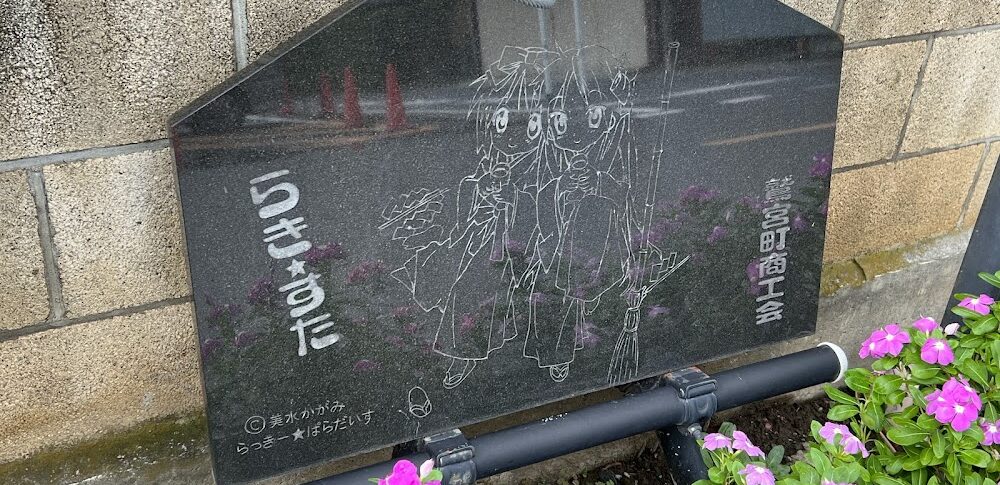
Throughout the shrine grounds, numerous “pain ema” (decorated votive plaques) left by fans who have visited the pilgrimage site are hung. The plaques depicting Lucky Star characters have become an iconic image of pilgrimage culture, and as of 2025, new plaques continue to be donated daily. Plaques can be purchased at the shrine office.
The shrine regularly holds Lucky Star-related events, with particularly large crowds during the New Year pilgrimage period and on character birthdays.
Washimizu Station Area
Washimizu Station on the Tobu Isesaki Line is the gateway to pilgrimage. The distance from the station to Washimizu Shrine is about 8 minutes on foot, with pilgrimage spots scattered along the way.
Around the station, posters and panels of “Lucky Star” are displayed, allowing visitors to feel the sacred nature of the location. Pilgrimage maps are posted on signboards inside the station and in the surrounding area, allowing first-time visitors to complete their pilgrimage without getting lost.
Miyamae Bridge
The Miyamae Bridge, located on the route from Washimizu Station to Washimizu Shrine, is an important spot that appears in the anime’s opening sequence. The view from the bridge can be enjoyed while comparing it with the depiction in the series.
Although the surrounding area is a residential neighborhood, it is a place where the world of the work can be felt amid a quiet atmosphere, and many pilgrims stop to take photographs.
Haji Festival (Hajisai)
The “Haji Festival,” the annual grand festival of Washimizu Shrine held in September, is the largest event in Lucky Star pilgrimage. Festival scenes are depicted in the anime, making this festival particularly meaningful for fans.
During the festival period, portable shrines and festival floats parade through the town, and numerous food stalls line the streets. In recent years, special events and merchandise sales for Lucky Star fans have been held, attracting hundreds of thousands of fans from across the country.
Shopping Arcade and Merchandise Shops
Along the shopping arcade from Washimizu Station to Washimizu Shrine, there are several shops selling Lucky Star-related merchandise.
Stores famous among fans, such as “Tsundere,” sell original goods and limited items. The shops are decorated with Lucky Star posters and displays, serving as gathering places for fans. These shops demonstrate local businesses’ voluntary welcoming attitude toward fans, allowing visitors to feel that pilgrimage culture has taken root in the region. Business hours and holidays vary by shop, so it is recommended to confirm before visiting.
Dining in the Washimizu Area
Restaurants in the shopping arcade offer meals that collaborate with Lucky Star. You can enjoy local cuisine while soaking in the atmosphere of the sacred site.
Some shops display anime merchandise inside, allowing diners to immerse themselves in the world of the work while eating.
Satte Area | The Stage of Daily Life
Satte Station Area
Satte Station is a station on the Tobu Nikko Line and is the model for the station used by characters in the series. The station building and surrounding scenery appear in the anime, making it a must-see spot for fans.
Access
- Tobu Nikko Line “Satte Station”
- About 15 minutes by train from Washimizu Station
The area around the station is a mix of residences and shops, allowing visitors to feel the atmosphere of everyday scenes in the series.
Pilgrimage Spots in Satte City
Throughout Satte City, various spots are scattered, including roads used by characters as commute routes and places appearing in scenes of everyday conversation. Since many of these spots are located in residential neighborhoods, it is necessary to show consideration to nearby residents during pilgrimage.
The charm of the Satte area is the ability to experience the everyday atmosphere of the work while walking through quiet residential streets.
Gongendo Park
Gongendo Park, a representative tourist spot in Satte City, is known as a famous cherry blossom viewing location. While there is little direct connection to Lucky Star, during the spring cherry blossom season, many tourists visit and can enjoy the pilgrimage in combination with the scenic views.
Kasukabe Area | The Characters’ Daily Lives
Kasukabe Station
Kasukabe Station is a major station where the Tobu Skytree Line (Isesaki Line) and Tobu Urban Park Line (Noda Line) intersect. It appears in the series as a station used by the characters, and the commercial facilities and street scenes around the station are also depicted.
Access
- Tobu Skytree Line “Kasukabe Station”
- About 20 minutes by train from Washimizu Station
The area around the station has abundant commercial facilities, making it a convenient spot for rest during pilgrimage.
Pilgrimage Sites in Kasukabe City
Throughout Kasukabe City, there are places that serve as models for shopping centers and restaurants visited by the characters. However, as of 2025, some facilities have closed or been renovated, and may no longer resemble their original appearance.
The Kasukabe area is where scenes of the characters’ everyday shopping and leisure activities take place, allowing visitors to feel the everyday life depicted in the work.
Lala Garden Kasukabe
A large shopping center near Kasukabe Station, believed to be one of the models for the commercial facility that appears in the series. It is a convenient spot where you can shop and dine between pilgrimage visits.
Omiya Area | A Sacred Site Transformed
Current Conditions Around Omiya Station
While there were spots in Omiya Station’s surrounding area that appeared in the series, as of 2025, the number of places retaining the original atmosphere is limited due to redevelopment and shop closures.
Omiya continues to develop as a major city in Saitama Prefecture, with its urban landscape undergoing significant changes. As a result, the area is less recommended as a main pilgrimage route; however, by visiting and comparing with materials from the anime’s broadcast era, it offers an opportunity to experience the passage of time.
Former Pilgrimage Spots
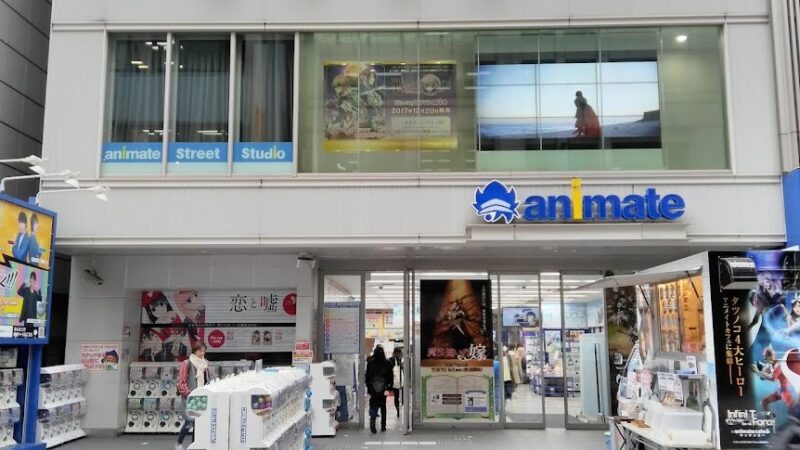
Some of the shops that served as models for scenes depicting anime shops such as Animate and Gamers continue to operate. However, due to store relocations and renovations, the exterior and interior design may have changed.
A Practical Guide to Pilgrimage
Recommended Pilgrimage Routes
One-Day Course (Washimizu-Focused)
- Arrive at Washimizu Station (morning)
- Miyamae Bridge
- Browse shopping arcade and purchase merchandise
- Visit Washimizu Shrine (midday)
- Tour nearby pilgrimage spots
- Dine and rest at the shopping arcade
- Return to shrine for another visit (evening)
Two-Day Course (All Areas)
- Day 1: Thorough pilgrimage of Washimizu area
- Day 2: Tour of Satte and Kasukabe areas
Transportation Access
By Train
- From Tokyo Station: JR Ueno Tokyo Line → Kuki Station → Tobu Isesaki Line → Washimizu Station (approximately 1 hour)
- From Ikebukuro Station: Tobu Skytree Line Limited Express → Washimizu Station (approximately 50 minutes)
- From Asakusa Station: Tobu Skytree Line → Washimizu Station (approximately 1 hour)
By Car
- Approximately 15 minutes from “Kuki IC” on the Tohoku Expressway
- Parking: Visitor parking available at Washimizu Shrine (free, though congested during events)
Important Precautions During Pilgrimage
Manners and Etiquette
Since pilgrimage takes place within residents’ living areas, please observe the following etiquette:
- Do not speak loudly in residential neighborhoods
- Do not trespass on private property
- Always take your trash with you
- Be considerate when photographing
- Actively patronize local shops in the shopping arcade
Photography Tips
- Photography is generally permitted in the shrine grounds, though discretion is needed during religious ceremonies
- It is advisable to obtain permission from shopkeepers before photographing in the shopping arcade
- Avoid or minimize photography in residential neighborhoods
Packing Checklist
- Anime scene photos or reference materials (for comparison)
- Camera or smartphone
- Money for votive plaques and offerings
- Comfortable walking shoes
- Drinking water
- Map or pilgrimage guide
- Mobile battery
Event Information
Regular Events
Haji Festival (September)
The grand festival of Washimizu Shrine, this is the largest event for Lucky Star fans. Portable shrines and floats parade through town, and special merchandise is sold.
New Year’s Visit (January 1-3)
The New Year pilgrimage period attracts particularly large numbers of fans. Limited votive plaques and talismans are sometimes sold.
Character Birthday Events
Small events are occasionally held in the shopping arcade and around the shrine on the birthdays of major characters.
2025 Latest Information
As of 2025, Washimizu Shrine and local shopping arcade merchants continue to work together to welcome fans. The latest event information can be found on official SNS and the Kuki City tourism information website.
Following the pandemic, some event formats have been partially modified, so it is recommended to check official information before visiting.
Merchandise and Souvenir Information
Original Merchandise from Washimizu Shrine
- Lucky Star votive plaques
- Original talismans
- Shrine seals
- Character-designed offerings
Limited Merchandise from Shopping Arcade
Various shops in the shopping arcade sell their own Lucky Star merchandise:
- Original badges
- Keychains
- T-shirts
- Posters
- Stickers
- Various pain goods
Local Specialty Products
Local specialty products from Saitama Prefecture and Kuki City are also recommended as pilgrimage souvenirs:
- Local sake
- Japanese sweets
- Rice crackers
- Processed goods made with local vegetables
Nearby Tourist Attractions
Tourist Sites in Kuki City
Kuki Lantern Festival “Tenno-sama”
Held in July, this traditional festival features giant lanterns. It can be enjoyed in combination with Lucky Star pilgrimage.
Kuki Iris Park
A natural park ideal for walks and picnics.
Pilgrimage Sites in Nearby Areas
Saitama Prefecture is home to many other anime pilgrimage sites:
- “Anohana: The Flower We Saw That Day” (Chichibu City)
- “Yama no Susume” (Hanno City)
- “Crayon Shin-chan” (Kasukabe City)
“Saitama Anime Pilgrimage Tours” combining these sites are also popular.
Lodging Information
Hotels in Kuki City
Since there are few accommodations near Washimizu Station, business hotels around Kuki Station are typically used.
- About 5 minutes by train from Kuki Station to Washimizu Station
- Several business hotels available with relatively easy reservations
Day Trips from Tokyo Are Possible
With accessibility of about one hour from central Tokyo, day-trip pilgrimages are entirely feasible. However, during events, staying overnight and enjoying the experience at leisure is also recommended.
Economic Impact of Pilgrimage and Regional Revitalization
Success by the Numbers
The economic impact of Lucky Star pilgrimage has become the subject of academic research as a success story in anime tourism:
- New Year visitors to Washimizu Shrine: approximately 130,000 (2006) → approximately 420,000 (2009)
- Estimated economic impact: several hundred million yen annually
- Sales increase in shopping arcade: several-fold for some shops
A Model of Coexistence with Community
The success factors in Kuki City Washimizu include:
- Local residents’ welcoming attitude toward fans
- Active participation and original initiatives by shopping arcade merchants
- Administrative support
- Regular event hosting
- Positive relationships with fan communities
This model has been referenced by other pilgrimage sites nationwide and has become a textbook example of anime tourism.
Foreign Ministry Recognition
Lucky Star pilgrimage in Kuki City Washimizu is also introduced by Japan’s Foreign Ministry as a regional revitalization case, and is internationally recognized as an example of Japan’s soft power.
The Future of Lucky Star Pilgrimage
Sacred Sites at the 18-Year Mark
With 2025 marking 18 years since the anime broadcast began, Lucky Star’s appeal as a sacred site remains undiminished. Rather, it has become known as the “sacred site of sacred sites,” a destination for those interested in anime tourism.
Acquiring New-Generation Fans
In recent years, even younger generations who did not watch the anime in real-time visit Washimizu as the origin point of pilgrimage culture. New fans continue to be born through streaming services.
Sustainable Sacred Site Management
By maintaining a positive relationship among the region, the work, and fans, Lucky Star pilgrimage will continue into the future. Regular events and a daily welcoming attitude support this sustainability.
Conclusion
Lucky Star pilgrimage has transcended being merely a hobby of anime fans to become a success story in regional revitalization and cultural creation that will be remembered in history. The sacred sites centered on Washimizu, Kuki City, Saitama Prefecture, continue to captivate many fans even 18 years later.
The appeal of Lucky Star pilgrimage lies in the diverse ways to enjoy it: visiting Washimizu Shrine, purchasing merchandise in the shopping arcade, and re-experiencing everyday scenes in Satte and Kasukabe. The warm welcome from local residents and fans’ respectful conduct have made this sacred site special.
If you are interested in anime pilgrimage or are a Lucky Star fan, please visit the sacred sites in Saitama Prefecture at least once. Not only will you be able to experience the world of the work, but you will also find community interactions and new discoveries awaiting you.
During pilgrimage, do not forget to show consideration to local residents and maintain good manners to ensure an enjoyable experience. Moreover, by shopping and dining in the shopping arcade, you can contribute to the local economy, which helps preserve the sacred site and work for the future.
Lucky Star pilgrimage is part of a beautiful story in which anime and communities walk together. Why not participate in that story yourself?