
The Pilgrimage Guide to “The Blue Sky That You Knew”
The theatrical anime “The Blue Sky That You Knew” (hereafter referred to as “Sora Ao”), released in October 2019, is a youth story set in Chichibu City, Saitama Prefecture. As the final installment of director Tatsuyuki Nagai’s Chichibu trilogy following “Anohana: The Flower We Saw That Day” and “When Marnie Was There,” many fans visit pilgrimage sites. This article comprehensively introduces pilgrimage spots in Chichibu City, Saitama Prefecture, the sacred site of Sora Ao. We provide detailed information about locations featured in the work, access methods, and photography tips—comprehensive information useful for those planning a pilgrimage.
What is “The Blue Sky That You Knew”? Why Chichibu as the Setting
“The Blue Sky That You Knew” depicts the bond between sisters and feelings toward the past. Chichibu City, Saitama Prefecture, the setting of the story, is a nature-rich town located approximately 80 km from central Tokyo and has become a special place for director Tatsuyuki Nagai.
Positioning as Part of the Chichibu Trilogy
Chichibu City was selected as the setting for all three works following “Anohana” and “Kokosake.” While each work deals with different themes, the local cityscape and rich nature of Chichibu play an important role in expressing the emotions of the characters. In Sora Ao, the geography surrounded by Chichibu’s mountains, old-fashioned shopping streets, and quiet residential areas are deeply connected to the core of the story, creating an atmosphere that cannot be found in urban areas. Many actual locations in Chichibu appear in scenes such as when protagonist Aoi plays bass and when Akane is trapped in a tunnel, giving reality to the work’s world.
Access to Chichibu City, Saitama Prefecture
Here is information about access to Chichibu City, the starting point for pilgrimage. Access from the Tokyo area is convenient, and you can enjoy pilgrimage even on a day trip.
Train Access
Seibu Railway Route (Recommended)
- From Ikebukuro Station on the Seibu Ikebukuro Line via limited express “Laview” or “Red Arrow” to Seibu-Chichibu Station in approximately 78 minutes
- Approximately 90 minutes using local train service
- Fare: approximately 1,500 yen one way including limited express ticket
Chichibu Railway Route
- From Kumagaya Station via Chichibu Railway to Chichibu Station in approximately 70 minutes
- Convenient access from the North Kanto area due to connection with JR Takasaki Line
Access by Car
- From “Hanazono IC” on the Kan-Etsu Expressway via National Route 140 for approximately 30 km (approximately 50 minutes)
- From “Sayama-Hidaka IC” on the Shuto Expressway via National Route 299 for approximately 39 km (approximately 70 minutes)
Multiple paid parking lots are available around Seibu-Chichibu Station at approximately 500-1,000 yen per day. However, public transportation is recommended as it can be crowded on weekends and during tourist seasons.
Access by Highway Bus
For those coming from the Kansai region or distant areas, overnight buses are also convenient. You can access Seibu-Chichibu Station via Kawagoe Station. Early morning arrival allows you to make effective use of the day.
“The Blue Sky That You Knew” Complete Guide to Major Sacred Sites
Here we introduce the major pilgrimage spots that appear in the work, organized by scene. We also explain the positional relationships between each spot and photography points.
1. Old Chichibu Bridge (Chichibu Park Bridge)
Most Important Sacred Site for Pilgrimage
The old Chichibu Bridge is a symbolic location of the Chichibu trilogy, appearing not only in Sora Ao but also in Anohana and Kokosake. This bridge spanning the Arakawa River is a historic structure built in the Taisho era and is now exclusively for pedestrians and bicycles.
In the work, it appears multiple times in scenes where Aoi and Shinnosuke talk, as well as in important moments. The landscape of Chichibu’s mountains and the Arakawa River viewed from the bridge represents the work’s world itself.
Photography Tips
- Shooting from near the center of the bridge toward the Chichibu city area recreates the composition from the work
- Photography during sunset is recommended (the sky color is beautiful)
- Pay attention to the design of the bridge railing
Access
- Approximately 15 minutes on foot from Seibu-Chichibu Station
- Approximately 10 minutes on foot from Chichibu Station
2. Seibu-Chichibu Station
Seibu-Chichibu Station serves as a base for pilgrimage and the station’s rotary and station building appear in the work. It was renovated in 2017, with a hot spring facility called “Matsuri no Yu” adjacent to the station.
Life-size panels and posters from the Chichibu trilogy are displayed inside and in front of the station, enhancing the pilgrimage atmosphere. The information center distributes free pilgrimage maps, so be sure to obtain one.
Points of Interest
- The landscape of the station front rotary
- The exterior of the station building
- The area around the ticket gates
3. Mihanahatake Station (Shibazakura Station)
Mihanahatake Station on the Chichibu Railway appears in scenes such as when Shinnosuke gets off a train. Though a small local station, it is an important spot for feeling Chichibu’s daily life.
The atmosphere of the station platform and building are faithfully recreated in the work, making it a must-see location for fans.
Access
- Approximately 5 minutes on foot from Seibu-Chichibu Station
- One station from Chichibu Station on the Chichibu Railway
4. Urayama Dam (Sakura Lake)
Urayama Dam appears in important scenes of the work. This gravity concrete dam with a height of 156 meters is spectacular. The model for the pavilion where Aoi was practicing bass is also located near this dam.
From the top of the dam, you can overlook Chichibu’s mountains, and you can experience the beautiful scenery of the vast sky and nature depicted in the work.
Photography Points
- The full view of the dam embankment
- The landscape of the dam lake (Sakura Lake)
- The surrounding mountain ranges
Access
- Approximately 30 minutes by Chichibu City bus from Seibu-Chichibu Station (bound for “Urayama Dainichido”)
- Confirmation of the timetable in advance is essential as buses are infrequent
- Parking lot available for car access
5. Chichibu Muse Park
Chichibu Muse Park is an important location where music festival scenes unfold in the work. The vast park contains an observation deck, music hall, and sports facilities, and is also known as a scenic spot overlooking Chichibu city. The music hall scene in the work is modeled after an actual outdoor stage, allowing you to re-experience the work’s emotion by standing in the same location.
Points of Interest
- The outdoor stage (music hall)
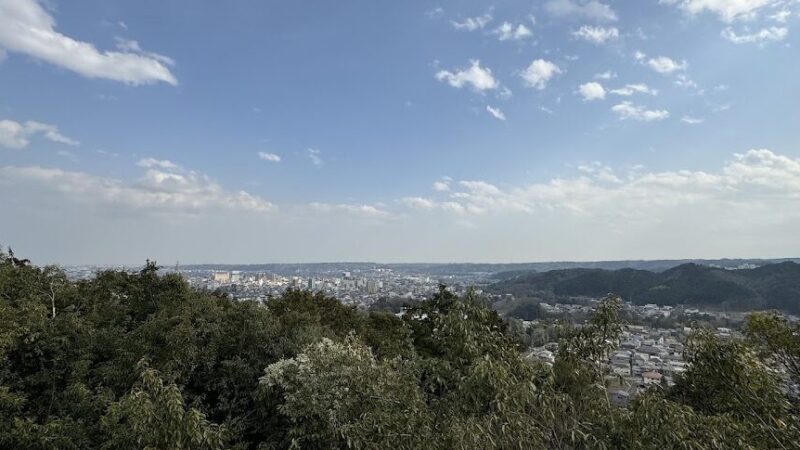
- The view of Chichibu city from the observation deck
- Walking paths within the park
Access
- Approximately 20 minutes by Chichibu Muse Park circulation bus from Seibu-Chichibu Station
- Due to the vast park, walking or rental bicycles are recommended for getting around
6. Chichibu City Hall and Surroundings
Chichibu City Hall and the surrounding cityscape also appear in the work. The exterior of the city hall building and the atmosphere of surrounding shopping streets are faithfully depicted.
In particular, the street in front of city hall is used in scenes such as Akane cycling, allowing you to feel Chichibu’s everyday landscape.
Access
- Approximately 5 minutes on foot from Chichibu Station
- Approximately 15 minutes on foot from Seibu-Chichibu Station
7. Yao Department Store
Yao Department Store, a long-established department store in Chichibu, served as the model for a commercial facility appearing in the work. The building retains a Showa-era atmosphere, characterized by the ambiance of a shop rooted in the local community.
It continues to operate today as a beloved place by locals, offering a spot to feel Chichibu’s living culture.
Access
- Approximately 3 minutes on foot from Chichibu Station
8. Takasago Horumon
This is modeled on the horumon restaurant where Shinnosuke works in the work. The actual Takasago Horumon is popular as a Chichibu gourmet spot, allowing you to enjoy Chichibu cuisine along with your pilgrimage.
You can immerse yourself in the work’s world while enjoying fresh horumon and Chichibu sake.
Business Information
- It is recommended to check business hours and closed days in advance
- Reservations are advisable during busy times
Access
- Approximately 10 minutes on foot from Seibu-Chichibu Station
9. Tunnel (Where Akane Was Trapped)
The tunnel where Akane is trapped in an important scene of the work actually exists in Chichibu City as a model location. We refrain from providing specific details out of consideration for the local residents’ lives, but the location is marked on the pilgrimage map.
When visiting, please be mindful not to interfere with private property or passage.
10. Chichibu Shrine and Surroundings
Chichibu Shrine is a historic shrine located in central Chichibu City, and the surrounding cityscape appears in the work. The atmosphere of the approach and shopping streets around the shrine allow you to feel Chichibu’s tradition and culture.
It is also recommended to visit during your pilgrimage to pray for safe travels.
Access
- Approximately 3 minutes on foot from Chichibu Station
- Approximately 15 minutes on foot from Seibu-Chichibu Station
Proposals for Efficient Pilgrimage Routes
Here we introduce model routes to efficiently visit major spots in one day.
Day Trip Course (8 hours estimated)
9:00 Arrival at Seibu-Chichibu Station
- Obtain pilgrimage map at the information center
- Photography around the station
9:30 Old Chichibu Bridge
- Travel on foot (approximately 15 minutes)
- Photography of the bridge and location confirmation (30 minutes)
10:30 Chichibu City Hall and Yao Department Store Area
- Pilgrimage through city sacred sites (1 hour)
11:30 Mihanahatake Station
- Photography at the station (15 minutes)
12:00 Lunch (such as Takasago Horumon)
- Enjoy Chichibu cuisine (1 hour)
13:30 Urayama Dam Area
- Travel by bus (approximately 30 minutes)
- Photography around the dam (1 hour 30 minutes)
16:00 Chichibu Muse Park
- Travel by bus
- Photography of major spots including music hall (1 hour 30 minutes)
17:30 Return to Seibu-Chichibu Station
- Enjoy hot spring at “Matsuri no Yu” (optional)
18:30 Return Journey
One Night, Two Day Course
If you have more time, staying overnight allows for deeper pilgrimage. Photography during sunset and early morning also becomes possible, capturing photos closer to the work’s atmosphere.
Day 1
- Morning: Pilgrimage through city-center sacred sites
- Afternoon: Urayama Dam area
- Evening: Sunset photography at the old Chichibu Bridge
- Night: Stay at a hot spring inn in Chichibu
Day 2
- Morning: Chichibu Muse Park
- Afternoon: Pilgrimage through unvisited spots
- Evening: Souvenir shopping and return journey
How to Obtain and Use Pilgrimage Maps
Official pilgrimage maps for “Anohana,” “Kokosake,” and “Sora Ao” are distributed free of charge throughout Chichibu City.
Distribution Locations
- Seibu-Chichibu Station Tourist Information Center
- Chichibu Station Tourist Information Center
- Chichibu City Hall
- Major tourist facilities in Chichibu City
Map Features
The official map contains the following information:
- Locations of major sacred sites
- Comparison photos from scenes in the work
- Recommended shooting angles
- Access information for each spot
Using the map allows for efficient pilgrimage and prevents oversights.
Tips for Photographing Like the Work
The highlight of a pilgrimage is photographing scenes recreated from the work. Here are tips for taking more polished photos.
Importance of Shooting Angle and Composition
To shoot with the same composition as scenes in the work, shooting position and angle are crucial. Use the official map and blogs from previous pilgrims to identify the exact position.
Save screenshots of scenes from the work to your smartphone or tablet and compare them at the location for more accurate composition.
Light Variations by Time of Day
Shooting at the same time as the scenes in the work helps the lighting and atmosphere match. This is especially important at locations like the old Chichibu Bridge or Urayama Dam where natural light is key.
- Morning: Soft light with a fresh atmosphere
- Daytime: Bright and clear photographs
- Evening: Dramatic sky colors
Camera Setting Points
Since anime backgrounds are often depicted in wide angles, using a wide-angle lens (or wide-angle mode on smartphones) brings the photo closer to the work’s atmosphere.
Also, setting saturation slightly higher can express the vivid quality of anime.
Enjoying Chichibu Cuisine and Local Specialties
Enjoying Chichibu-specific cuisine between pilgrimage visits is one of the joys of the trip.
Chichibu Horumon
Horumon, which also appears in the work, is a representative Chichibu cuisine. “Miso-marinated horumon,” pork horumon seasoned with miso sauce, is a delicacy found only in Chichibu.
With multiple horumon restaurants including Takasago Horumon throughout the city, comparing each restaurant’s flavor is also enjoyable.
Chichibu Soba
Chichibu is blessed with good water and climate and is also known as a soba-producing region. The city has many soba restaurants where you can enjoy hand-made authentic soba.
Wara Katsu Don
Chichibu’s famous wara katsu don is an audacious rice bowl with two large cutlets. Named for the large cutlets resembling straw sandals, this dish is hearty and filling.
Chichibu Local Sake
Chichibu has multiple sake breweries producing high-quality Japanese sake. It is recommended to enjoy Chichibu sake at local izakayas to cap off your pilgrimage.
Etiquette and Notes for Pilgrimage
There are proper manners and precautions to observe when enjoying pilgrimage.
Consideration for Local Residents
Most sacred sites are places where local residents go about their daily lives. Please note the following:
- Avoid loud conversations and noise
- Do not trespass on private property without permission
- Be mindful not to obstruct passage
- Always take trash with you
- Avoid visiting late at night or early morning
Photography Precautions
- Shoot in locations that don’t obstruct traffic
- Obtain permission before photographing inside shops
- Be considerate so other tourists or locals are not inadvertently photographed
- When using tripods, confirm the safety of your surroundings
Rules for Using Facilities
- Check business hours and closed days in advance
- Always place an order at restaurants (avoid photography-only visits)
- Observe proper etiquette when visiting shrines and temples
Visiting Chichibu Trilogy Sacred Sites Together
Visiting sacred sites of “Anohana” and “Kokosake” along with Sora Ao allows for even more fulfilling pilgrimage.
Shared Sacred Sites
The old Chichibu Bridge, areas around Chichibu Station, Chichibu Shrine, and many other locations appear in all three works. Comparing how each is depicted across the works is a fascinating experience.
Different Expressions of the Three Works
Though all set in Chichibu, each work depicts Chichibu’s appearance differently. Experiencing how each work’s theme connects with Chichibu’s landscape provides deeper understanding.
Lodging and Access Information
Recommended Lodging Areas
Around Seibu-Chichibu Station
- Convenient access to sacred sites
- Well-developed hot spring facilities
- Abundant options from business hotels to traditional inns
Around Chichibu Station
- Close to city-center sacred sites
- Plenty of dining options
- Many reasonably priced accommodations
Hot Spring Facilities
Chichibu has plenty of day-use hot spring facilities:
- Matsuri no Yu (directly connected to Seibu-Chichibu Station)
- Manganno Yu
- Chichibu Onsen Daimaasu Ryokan
These are perfect for easing the fatigue of a day of pilgrimage.
Seasonal Points of Interest
Chichibu has charm in each season, showing different faces depending on when you visit.
Spring (March–May)
- Shibazakura Hills (Hitsujiyama Park): peak bloom mid-April to early May
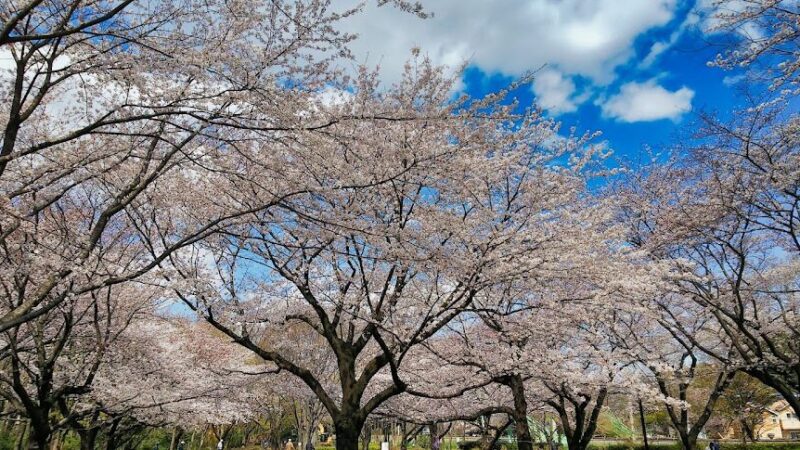
- Many cherry blossom viewing spots
- Comfortable weather perfect for pilgrimage
Summer (June–August)
- Beautiful fresh green mountains
- River recreation spots
- Chichibu Kawase Festival (July)
Fall (September–November)
- Spectacular autumn foliage (late October to mid-November)
- Preparation period for Chichibu Yomatsuri (December 2-3)
- Clear air ideal for photography
Winter (December–February)
- Chichibu Yomatsuri (one of Japan’s three major festival processions)
- Clear winter air and starry skies
- Hot springs are especially pleasant this season
Souvenirs and Merchandise Information
Official Merchandise
Official merchandise from the Chichibu trilogy is sold at Seibu-Chichibu Station and select shops in Chichibu:
- Clear files
- Postcards
- Key chains
- T-shirts
Chichibu Local Products
- Pork miso-marinated horumon
- Chichibu confections (chichibu mochi, chichibu kohirumeshi, etc.)
- Chichibu local sake
- Maple syrup (Chichibu-produced)
Conclusion: Making the Most of Your Sora Ao Pilgrimage
Chichibu City, Saitama Prefecture, the sacred site of “The Blue Sky That You Knew,” is a wonderful place to experience the work’s world. Major sacred sites such as the old Chichibu Bridge, Seibu-Chichibu Station, Urayama Dam, and Chichibu Muse Park are concentrated in a relatively compact area and can be visited efficiently.
Key points to succeed in pilgrimage:
- Complete preparation: Obtain official maps, confirm transportation, save screenshots of scenes from the work
- Allow time: Set a schedule with plenty of time to enjoy photography thoroughly
- Follow proper etiquette: Be considerate of locals and act with restraint
- Fully enjoy Chichibu’s charm: Don’t just visit sacred sites; also savor local cuisine, hot springs, and sightseeing
- Choose your season: Select a season matching your preferences and enjoy Chichibu’s natural beauty
Visiting the sacred sites of Sora Ao, the final chapter of the Chichibu trilogy, will deepen your understanding of the work and lead to new discoveries. In Chichibu City, Saitama Prefecture, an actual place, you will have the special experience of retracing the time and space where Aoi, Akane, and Shinnosuke spent their days.
Chichibu’s abundant nature, warm people, and the feelings embedded in the work will surely leave a memorable impression of your pilgrimage.