Goodbye, My Cramer: A Complete Guide to Sacred Sites in Saitama Prefecture
“Goodbye, My Cramer” is a girls’ soccer manga by Naoji Shinkawa that unfolds primarily in Warabi City, Saitama Prefecture, and is a youthful sports story. With the 2021 television anime broadcast and the theatrical film release “Goodbye, My Cramer: First Touch,” various locations throughout Saitama Prefecture that serve as the setting for the work have attracted attention as sacred sites.
This article provides a detailed introduction to actual locations featured in the anime and manga, and thoroughly explains Saitama’s sacred site pilgrimage information, from efficient pilgrimage routes to ways of enjoying the experience unique to the local area.
What is Goodbye, My Cramer? The Work’s Appeal and Setting
“Goodbye, My Cramer” is a girls’ soccer manga serialized in Monthly Shonen Magazine from June 2016 to January 2021. Set at the fictional “Warabi Seinan High School” where the protagonist Noda Nozomi attends, the story depicts the members of the girls’ soccer club “Warabies” aiming for a national championship.
A major characteristic of the work is that it faithfully recreates the landscape of the actual Warabi City in Saitama Prefecture. Warabi City, known as Japan’s smallest city, has a history of flourishing as a post town on the Nakasendo, and is also famous as the birthplace of the coming-of-age ceremony. Author Naoji Shinkawa carefully researched Warabi City’s streets and incorporated them into his fictional world.
The anime version aired from April to June 2021, and on June 11 of that year, the theatrical film “Goodbye, My Cramer: First Touch” was released. The film is a film adaptation of “Goodbye Football,” which depicts Noda Nozomi’s middle school days, and features landscapes from Kawaguchi City and Warabi City.
Main Sacred Sites in Warabi City, Saitama Prefecture
JR Warabi Station and Surrounding Area
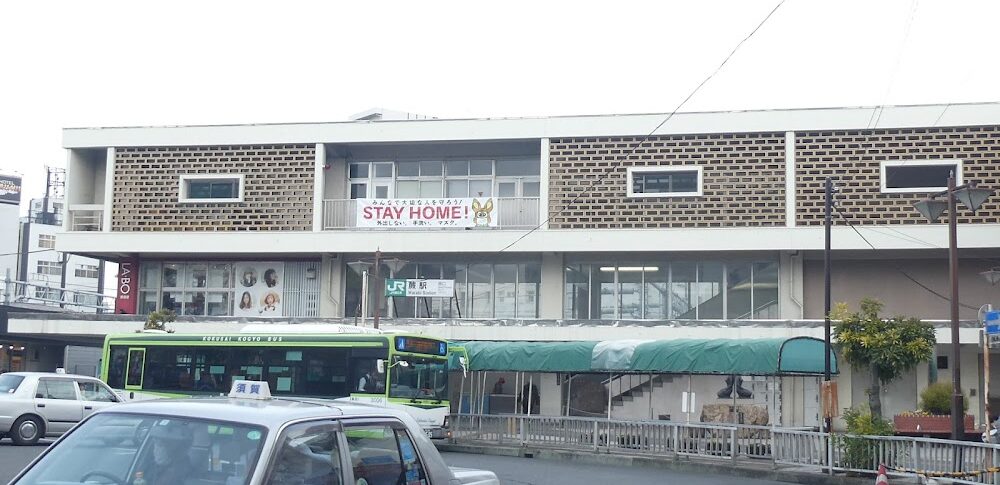
JR Warabi Station, the gateway to Warabi City, is an important location that appears multiple times in the work. Scenes of Noda Nozomi and other characters using the station for school commutes are depicted, and the station’s surrounding scenery is faithfully reproduced in the anime as well.
The area around the station features a shopping street and offers a sense of local life. It’s ideal as a base for sacred site pilgrimage, with many sacred sites scattered within walking distance.
Kawaguchi-Warabi Overpass Area
The area around the Kawaguchi-Warabi Overpass appears in episode 2 of the anime as a place where Noda Nozomi and others are walking. Located near the boundary between Warabi City and Kawaguchi City, this overpass has become a symbolic spot for the characters’ daily scenery.
Near the overpass is a bicycle parking area, and it’s possible to take photographs from the same angle as the scene that appeared in the anime. Because this is a high-traffic area, please exercise caution for safety when taking photographs.
Warabi High School (Model School)
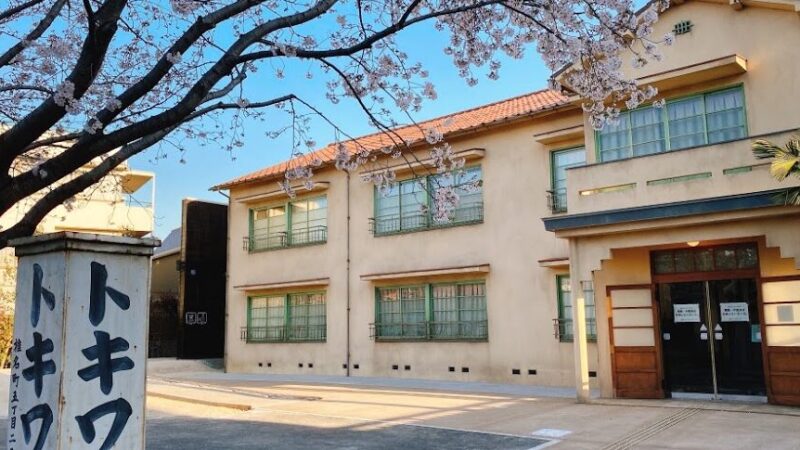
The actual Saitama Prefectural Warabi High School is said to be the model for “Warabi Seinan High School” that appears in the work. The exterior of the school building and the surrounding atmosphere are reflected in the work, making it a particularly meaningful place for fans.
However, as it is an actual educational facility, unauthorized entry onto the grounds is strictly prohibited. Please limit yourself to viewing the exterior from a distance and be considerate not to disturb students and staff.
Warabi City Citizens’ Gymnasium
The Warabi City Citizens’ Gymnasium is an official sacred site pilgrimage spot where commemorative stamp seals are placed. It was also selected for the Japan Anime Tourism Association’s “88 Japanese Anime Sacred Sites Worth Visiting (2025 Edition),” which shows that Warabi City officially supports sacred site pilgrimages.
At the gymnasium, soccer and futsal practice sessions are actually held, making it a place where you can experience the world of the work. Stamps can be pressed during facility operating hours.
Warakubi Shrine
Warakubi Shrine, which is also related to the origin of Warabi’s place name, is a spot where you can feel the region’s history. It’s also set as a checkpoint in sacred site pilgrimage walking tours, and is recommended not only for work fans but also for those interested in regional history.
The area around the shrine is a quiet residential neighborhood where you can enjoy Warabi City’s everyday scenery. When visiting for worship, please observe shrine etiquette.
Monument to the Birthplace of Coming-of-Age Ceremony
Warabi City is known as the “birthplace of the coming-of-age ceremony,” having held Japan’s first coming-of-age ceremony. A monument is installed in the city and is worth visiting in conjunction with sacred site pilgrimage.
This monument is also one of the checkpoints in the sacred site pilgrimage walking tour, and is positioned as a place where visitors can learn about Warabi’s history and culture.
Seven-Eleven Saitama Bunkura 5-chome Store
The Seven-Eleven Saitama Bunkura 5-chome store appears in episode 1 of the anime as a convenience store near high school. Appearing as the stage for everyday scenes, it’s an important location that conveys the characters’ everyday life.
The actual store is currently operating, and photographs can be taken from the same angle as the anime. However, please be mindful of store etiquette and not disturb other customers when taking photographs.
Sacred Sites in Saitama City
Saitama Stadium 2002
Saitama Stadium 2002, known as the sacred ground of Japanese soccer, appears as an important stage in the anime’s ending and the manga’s final volume. Particularly in manga volume 14, the full view of the stadium and the adjacent second ground are depicted throughout, functioning as a fitting venue for the climax of a story about girls aiming for the pinnacle of women’s soccer.
Japan’s largest dedicated soccer stadium with a capacity of 63,700, it also serves as the home stadium for Urawa Reds in the J-League. Stadium tours and walks around the stadium are possible even on non-game days.
Saitama Stadium Second Ground
The second ground adjacent to the main stadium is depicted in detail in the manga’s final volume. It’s a facility actually used for women’s soccer matches and training, and has become a spot where visitors can realistically experience the work’s world.
The area around the stadium is maintained as a park, and you can see people enjoying walks and jogging. It’s also recommended to leisurely walk while searching for the scenery that appears in the work.
Sacred Sites in Kawaguchi City (First Touch Related)
In the theatrical film “Goodbye, My Cramer: First Touch,” the protagonist Noda Nozomi’s middle school days are depicted, with numerous landscapes from Kawaguchi City appearing. Kawaguchi City, adjacent to Warabi City, is one of Saitama Prefecture’s most populous cities and is ideal for visiting in conjunction with Warabi City.
In the film, schools and streetscapes in Kawaguchi City are faithfully recreated, depicting Noda Nozomi’s struggles in the boys’ soccer club. The area around the Kawaguchi-Warabi Overpass straddles both cities and is an important spot appearing in both the anime series and the film.
Sacred Site Pilgrimage Model Courses
Half-Day Course (Warabi City Center)
Time Required: Approximately 3-4 hours
- JR Warabi Station (Starting point)
- Warabi City Citizens’ Gymnasium (Obtain commemorative stamp) – About 15 minutes walk
- Warakubi Shrine – About 10 minutes walk
- Monument to the Birthplace of Coming-of-Age Ceremony – About 5 minutes walk
- Kawaguchi-Warabi Overpass Area – About 15 minutes walk
- Around Warabi High School (Exterior only) – About 10 minutes walk
- JR Warabi Station (Goal) – About 15 minutes walk
This course efficiently covers the main sacred sites in Warabi City and is a beginner-friendly route. Everything is within walking distance, and you can fully enjoy the charm of Warabi City, Japan’s smallest city.
Full-Day Course (Warabi City + Saitama City)
Time Required: Approximately 6-8 hours
Morning: Sacred site pilgrimage in Warabi City (same as half-day course)
Lunch: Enjoy local cuisine around Warabi Station
Afternoon:
- Train transfer from JR Warabi Station
- Transfer at Urawa Station
- Get off at “Urawa Misono Station” on the Saitama Stadium Line – Approximately 40 minutes
- Saitama Stadium 2002 – About 15 minutes walk
- Stroll around Saitama Stadium Second Ground
- Return from Urawa Misono Station
This course covers all the important stages of the work. Particularly for manga fans, Saitama Stadium, which served as the setting for the final volume, is a must-see.
Walking Tour Participation-Type Course
Warabi City periodically hosts “Goodbye, My Cramer Sacred Site Pilgrimage Walking Tournaments.” The first was held in January 2022, with more than 80 entries for a recruitment of 100 people, showing great enthusiasm.
Official walking tours include perks such as explanations from local guides and special access to places normally off-limits. The latest event information can be confirmed on the official websites of the General Incorporated Association Warabi City Vigorous Town Development Alliance and the Warabi Sayokura Supporters Group.
Access Information and Transportation
Access to Warabi City
By Train
- From Tokyo Station: Approximately 30 minutes on the JR Keihin-Tohoku Line to Warabi Station
- From Shinjuku Station: Approximately 40 minutes on the JR Saikyo Line via Omiya Station
- From Ikebukuro Station: Approximately 30 minutes on the JR Saikyo Line with transfer at Akabane Station
JR Warabi Station is a stop on the Keihin-Tohoku Line with very convenient access from central Tokyo. Rapid trains do not stop there, so please use local trains.
By Car
- Approximately 10 minutes from the “Arai-juku IC” on the Metropolitan Expressway Kawaguchi Line
- Approximately 15 minutes from the “Kawaguchi West IC” on the Tokyo Outer Ring Expressway
There are multiple coin parking lots in Warabi City, but the area around the station can become congested, so public transportation is recommended.
Access to Saitama City (Saitama Stadium)
By Train
- From JR Musashino Line “Higashi-Kawaguchi Station,” transfer to the Saitama Rapid Railway, get off at “Urawa Misono Station,” and walk 15 minutes
- From JR Keihin-Tohoku Line “Urawa Station,” transfer to the Saitama Rapid Railway, get off at “Urawa Misono Station,” and walk 15 minutes
Shuttle buses may operate from Urawa Misono Station on match days.
By Car
- Approximately 20 minutes from the “Urawa IC” on the Tohoku Expressway
- Approximately 25 minutes from the “Urawa South IC” on the Metropolitan Expressway Saitama Omiya Line
The stadium has a large parking lot, but it often reaches capacity on match days, so advance confirmation is necessary.
Tips for Enjoying Sacred Site Pilgrimages Even More
Utilizing the 2025 Edition Sacred Site Pilgrimage Map
In April 2025, the “Goodbye, My Cramer Warabi City Sacred Site Pilgrimage Map” was completed by the Warabi Sayokura Supporters Group. This map is linked with Instagram, X (formerly Twitter), and Google Maps, allowing easy access to sacred site information via smartphone.
Google Maps linkage allows you to check the shortest route from your current location and travel time, making it possible to plan efficient pilgrimage routes. SNS integration features also allow you to check posts from other pilgrims and the latest information.
Combining with Local Cuisine
One of the pleasures of sacred site pilgrimage is experiencing local cuisine. Warabi City thrived as a post town on the Nakasendo, and many old-established restaurants remain.
Around Warabi Station, you’ll find a variety of locally-beloved set meal restaurants, ramen shops, cafes, and more. By enjoying local flavors during your pilgrimage, you can feel Warabi City’s charm even more deeply.
Seasonal Ways to Enjoy
Warabi City hosts various events throughout the seasons, and combining these with sacred site pilgrimages offers even more enriching experiences.
Spring: Cherry blossom viewing is available in parks throughout the city during cherry blossom season.
Summer: The Warabi City Festival is held, allowing visitors to experience the community’s energy.
Autumn: During autumn foliage season, the area around Warakubi Shrine becomes beautifully colored.
Winter: As the birthplace of the coming-of-age ceremony, special events may be held in January.
Photography Etiquette
Photography is one of the pleasures of sacred site pilgrimage, but it’s important to observe the following etiquette:
- Unauthorized entry onto private property is strictly prohibited: Special caution is needed at schools and residential areas
- Do not obstruct traffic: When photographing on sidewalks or roads, confirm safety of the surroundings
- Obtain permission before photographing at shops: Say hello to store staff at convenience stores and similar locations
- Respect residents’ lives: Avoid visiting early morning or late night, and pay attention to noise
- Always take trash with you: Maintaining sacred sites is the responsibility of fans
Initiatives by the Warabi Sayokura Supporters Group
The Warabi Sayokura Supporters Group is a regional organization that supports women’s soccer and the WE League through “Goodbye, My Cramer.” It carries out various activities connecting the work and the community, including creating sacred site pilgrimage maps and hosting walking tournaments.
It also collaborates with the General Incorporated Association Warabi City Vigorous Town Development Alliance, introducing locally recommended spots and providing information for sacred site pilgrims. Official websites and SNS regularly update the latest event and sacred site information, so checking them before your visit is recommended.
Coordination with Women’s Soccer
“Goodbye, My Cramer” is a work featuring women’s soccer, and combining it with actual women’s soccer viewing allows you to enjoy the work’s world even more deeply.
In Saitama Prefecture, there is “Omiya Ardija VENTUS,” which belongs to the WE League, and matches are held at Saitama Stadium and NACK5 Stadium Omiya. When visiting for sacred site pilgrimage, confirm the schedule and observe actual women’s soccer matches.
High school girls’ soccer matches similar to the “Warabies” that appear in the work are also held at various high schools throughout Saitama Prefecture. As a sacred ground for high school soccer known throughout Japan, Saitama Prefecture offers many opportunities to watch high-level matches.
Significance of Recognition in the 88 Anime Sacred Sites
Warabi City, the setting for “Goodbye, My Cramer,” has been selected for the Japan Anime Tourism Association’s “88 Japanese Anime Sacred Sites Worth Visiting (2025 Edition).”
This recognition is chosen through votes by anime fans and is proof that both the work’s popularity and the charm of the sacred sites were evaluated. The recognition has led to Warabi City becoming widely known among anime fans nationwide and has contributed to regional revitalization.
The commemorative stamp seal placed at the Warabi City Citizens’ Gymnasium can be collected as part of visiting the 88 anime sacred sites nationwide, making it an important spot for stamp collectors.
Enjoying Differences Between Original Manga and Anime
For an even deeper enjoyment of sacred site pilgrimage, it’s recommended to check both the original manga and anime versions.
The original manga concludes in 14 volumes, with the final volume featuring detailed depictions of Saitama Stadium 2002 and its surroundings. Due to time constraints in the anime, some scenes and locations are omitted, so reading the manga may reveal new sacred sites.
Additionally, the theatrical film “First Touch” is based on “Goodbye Football,” which depicts Noda Nozomi’s middle school days, with Kawaguchi City’s scenery appearing in greater detail. By covering the television anime, theatrical film, and original manga comprehensively, you can explore Saitama’s sacred sites more broadly and deeply.
Lodging Information for Sacred Site Pilgrimage
If traveling from afar or wishing to take time exploring sacred sites, staying overnight is also recommended.
Around Warabi Station: Within walking distance of Warabi Station are several business hotels. Though small in scale, they’re convenient as bases for sacred site pilgrimage.
Around Kawaguchi Station: Kawaguchi Station, the next station from Warabi, has more hotels. Its location makes it easily accessible to sacred sites like the Kawaguchi-Warabi Overpass.
Saitama City/Around Urawa Station: If considering access to Saitama Stadium, hotels around Urawa Station are also an option. As Saitama Prefecture’s prefectural capital, it has an abundance of accommodations and dining options.
Around Omiya Station: Omiya Station, Saitama’s largest terminal station, offers the most diverse hotel options. It’s well-connected to Warabi Station, accessible by train in about 15 minutes.
Ways to Enjoy Sacred Site Pilgrimage Affordably
Saving on Transportation Costs
Utilizing 1-Day Passes: When visiting widely throughout Saitama Prefecture, JR East’s “Rest Day Excursion Pass” (2,720 yen for adults) is convenient. JR regular trains in the greater Tokyo area can be used all day.
IC Card Points: Registering with Suica or PASMO point services provides point rewards on some of your transportation costs.
Saving on Food Costs
Around Warabi Station, there are many affordable set meal restaurants and chain stores. Walking through the local shopping streets allows you to find delicious meals at reasonable prices.
Purchasing light snacks from convenience stores and eating picnic-style in parks is also a unique way to enjoy sacred site pilgrimage.
Making Use of Free Spots
Many of Warabi City’s sacred sites require no admission fee and are outdoor locations. Planning around free-to-visit spots such as Warakubi Shrine and the Monument to the Birthplace of Coming-of-Age Ceremony allows you to enjoy a fulfilling pilgrimage while keeping costs down.
The area around Saitama Stadium is also free to explore on non-game days. While stadium tours are paid, the exterior and surrounding park are freely accessible.
Visiting Related Work Sacred Sites
Saitama Prefecture has many anime and manga work sacred sites beyond “Goodbye, My Cramer.” When visiting Saitama, it’s also recommended to visit sacred sites from other works.
“Crayon Shin-chan”: Kasukabe City is the setting and is at a relatively short distance from Warabi City.
“Lucky Star”: Washinomiya Shrine (Kuki City) was a forerunner of the anime sacred site pilgrimage boom.
“Anohana: The Flower We Saw That Day”: Chichibu City is the setting and is one of Saitama Prefecture’s representative sacred sites.
Combining these sites allows you to enjoy Saitama’s anime tourism more broadly.
Conclusion: The Appeal of Goodbye, My Cramer Sacred Site Pilgrimage
Warabi City in Saitama Prefecture, the setting for “Goodbye, My Cramer,” is a charming place where you can fully experience the work’s world despite being Japan’s smallest city. With sacred sites concentrated in a compact municipal area, you can efficiently visit them by foot alone.
With the completion of the 2025 edition sacred site pilgrimage map and recognition in the 88 anime sacred sites, the environment for sacred site pilgrimage is increasingly well-developed. Active information sharing by local groups like the Warabi Sayokura Supporters Group and the General Incorporated Association Warabi City Vigorous Town Development Alliance provides strong support for pilgrims.
The inclusion of Saitama Stadium 2002, a sacred ground of Japanese soccer, also allows for sacred site pilgrimage linked with the work’s women’s soccer theme. Combining actual women’s soccer viewing deepens understanding and affection for the work.
With excellent access from central Tokyo, Warabi City can be enjoyed as either a day trip or overnight stay. As a post town on the Nakasendo, you can also experience the city’s history and the culture of its role as the birthplace of the coming-of-age ceremony.
Why not rediscover the charm of Saitama Prefecture through the “Goodbye, My Cramer” sacred site pilgrimage? Walking the streets of Warabi where Noda Nozomi and others raced through will surely deepen your love for the work.