What is “Tamayura”? The Appeal of the Work and the Background of Sacred Site Pilgrimage
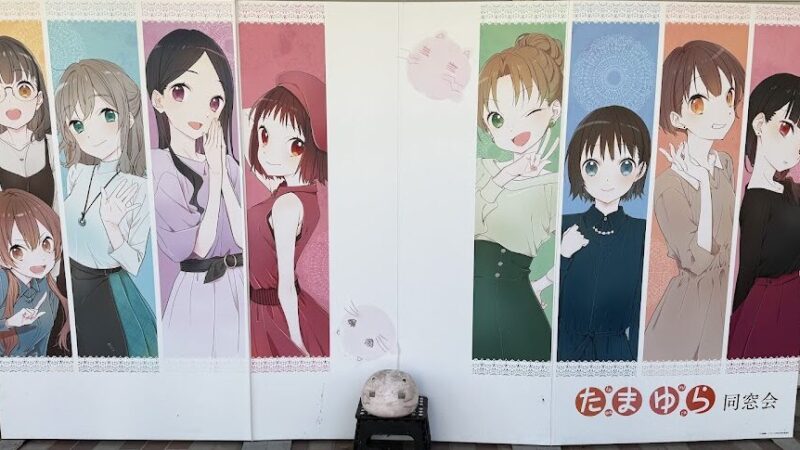
The anime “Tamayura” is a heartwarming work depicting the daily life and growth of Kaede Sawatari, a high school girl who loves photography, and her circle of friends, set primarily in Takehara City, Hiroshima Prefecture. It was produced as an OVA in 2010, and the first season “Tamayura ~hitotose~” aired on television in 2011, followed by the second season “Tamayura ~moa gressive~” in 2013. Then, from 2015 to 2016, the four-part theatrical film series “Tamayura ~Graduation Photo~” was released as the conclusion, bringing the story to an emotional ending.
The greatest feature of the work is that it faithfully recreates the actual townscapes and landscapes of Takehara City. The photographs that the protagonist Kaede takes with a Rollei 35 film camera, a memento from her late father, occasionally capture a ball of light called “tamayura.” This fantastical presentation combined beautifully with the beautiful scenery of Takehara, called the “Little Kyoto of Aki” facing the Seto Inland Sea, captivated the hearts of many fans.
Nearly 10 years after the broadcast ended, sacred site pilgrims from both within Japan and abroad continue to visit Takehara City. From 2018 to 2025, it has been selected for eight consecutive years for “88 Anime Sacred Sites Worth Visiting in Japan,” and is receiving nationwide attention as a success story of anime tourism.
The Reasons for Eight Consecutive Selections as “Japan’s Anime Sacred Sites Worth Visiting”
Behind Takehara City’s consecutive eight-year selections for the Anime Sacred Sites 88, there are continuous efforts made by the entire community. Since the broadcast of the work, the Takehara City Tourism Association has actively promoted anime tourism, preparing environments that warmly welcome fans through the distribution of sacred site pilgrimage maps, installation of signs, and hosting of events.
The commercial district plays songs from “Tamayura,” and at cafes and shrines featured in the work, the atmosphere from those times is preserved. Local residents also enjoy interacting with fans and show cooperative attitudes toward regional revitalization through the work. These efforts by both the public and private sectors combined maintain the appeal of the sacred site that does not fade even as time passes.
Additionally, Takehara City has a historic townscape preservation district dating back to the Edo period, and is characterized by its high value not only as an anime setting but also as a historical tourist destination. The multifaceted appeal that can be enjoyed by not only anime fans but also general tourists has led to its continued selection.
Preparation for Sacred Site Pilgrimage and Hints for How to Tour
How to Obtain Pilgrimage Maps and Stickers
To make your sacred site pilgrimage more fulfilling, first obtain the “Tamayura Sacred Site Pilgrimage Map” at the Takehara City Tourism Association or the Takehara Station Tourist Information Office. This map contains detailed information about major spots featured in the work, allowing you to tour while matching anime scenes with actual locations.
Many spots distribute and display commemorative stickers and stamps for visitors. Collecting these while touring provides a sense of accomplishment and leaves you with memorable keepsakes. In particular, various shops in the commercial district also sell original goods and work-related merchandise, making souvenir shopping enjoyable as well.
Recommended Pilgrimage Styles
The sacred sites in central Takehara are concentrated within walking distance, and you can tour the major spots in about 2-3 hours of leisurely walking. If you want to enjoy photography while taking your time, it is recommended to set aside half a day to a full day.
Renting a bicycle allows you to efficiently access sacred sites and spots in the suburbs that are a bit removed from the city center. Bicycle rental services are available around Takehara Station, and electric bicycles can also be rented, making it possible to move comfortably even on the hilly terrain.
Touring while carrying a camera like the protagonist Kaede is also a wonderful way to deepen immersion in the work. Many fans enjoy shooting from the same angles as the anime using smartphones or digital cameras rather than film cameras.
Points to Note and Manners When Visiting
Most of the sacred sites are places where people actually live or are operating businesses. When taking photographs, be considerate to avoid inconvenience to others, and absolutely avoid unauthorized entry onto private property. Particularly in residential areas and temples and shrines, make a point to observe quietly.
Using local shops and restaurants in the commercial district as much as possible also contributes to the regional economy. At cafes and tea shops featured in the work, original menus from those times may be recreated, making it recommended to enjoy meals and tea while touring.
【Central Takehara City】Touring the Main Stage of the Story
Townscape Preservation District and Honmachi Shopping Street
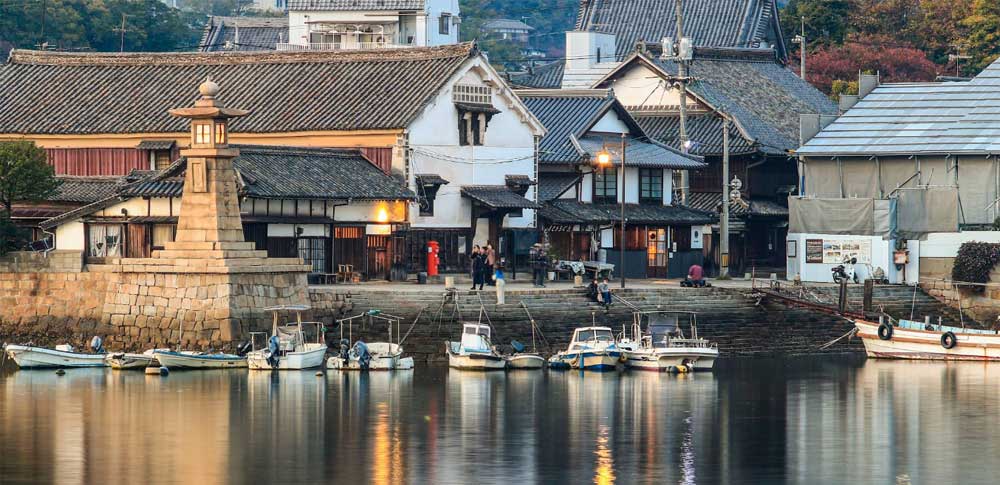
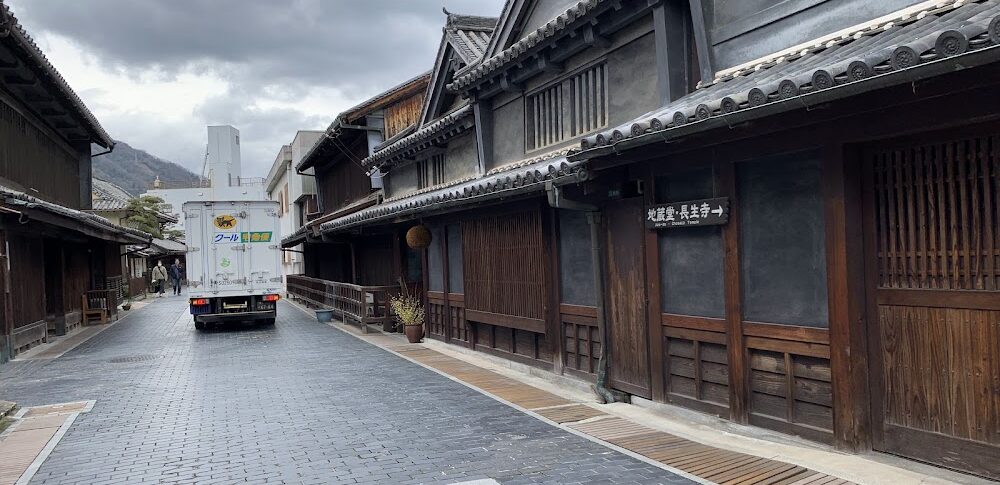
The greatest attraction in Takehara City and the central stage of “Tamayura” was the “Takehara Townscape Preservation District.” Traditional townhouses built from the late Edo period through the early Showa period line the streets, and it is designated as a nationally important traditional building preservation district. This historic townscape, also called the “Little Kyoto of Aki,” retains vivid traces of the prosperous times as a key transportation point in the Seto Inland Sea region.
In the work, the beautiful townscape appears repeatedly in scenes of Kaede and her friends walking their daily school route or taking leisurely walks after school. Landscapes of townhouses with wooden lattice doors, stone-paved alleys, and white-walled storehouses spread out in every direction, allowing you to experience the emotion of seeing the scenery you watched in anime appear right before your eyes.
The Honmachi Shopping Street is an area where many stores featured in the work actually exist. Walking through the shopping street, songs from “Tamayura” play, allowing you to stroll while immersed in the work’s world. Posters and signs related to the work are posted at each shop, creating a warm atmosphere that welcomes fans.
Shokei no Michi (Path of Longing)
The “Shokei no Michi” held every late October is a fantastical event that illuminates the Takehara townscape preservation district with approximately 1,000 bamboo lanterns. This event is depicted in an important scene within the work and holds special significance for fans.
From dusk into the evening, the soft light of the bamboo lanterns illuminates the stone-paved paths and old townscape, creating a fantastical beauty worthy of the word “tamayura.” While the event attracts many tourists during its period, the quiet beauty of the townscape preservation district can be enjoyed at other times as well.
Saihouji Temple and Fumeikaku
Perched on a hillside overlooking the townscape preservation district, Saihouji Temple is a symbolic location that appears repeatedly in the work’s opening and ending sequences and in important scenes. In particular, the building “Fumeikaku” with its platform-style architecture next to the main hall offers a spectacular view overlooking Takehara’s townscape and the Seto Inland Sea.
Many scenes in which Kaede and her friends gaze at the sunset or converse together are depicted at Fumeikaku. When you actually visit, you can view Takehara’s beautiful landscape from the same perspective as in the anime, deepening your understanding of the work. The path up the stairs also appears in the work, with each step providing a real sense of sacred site pilgrimage.
The temple grounds have a quiet, peaceful atmosphere, perfect for slowly enjoying the scenery and being absorbed in the lingering feeling of the work. Visiting at dusk is especially recommended, as you can re-experience scenes from the anime.
Takehara Station and Station Front Shopping Street
JR Takehara Station is the place where Kaede arrives when moving to Takehara from Tokyo, symbolizing the beginning of the story. While the station building is relatively small, the station-front scenery featured in the anime remains as it was, making it a deeply moving location for fans of the work.
The distance from the station to the townscape preservation district is about a 15-minute walk, and this path also appears in the work. The station front shopping street has a tourist information office where you can obtain pilgrimage maps and pamphlets, making it the ideal starting point for your pilgrimage.
Takehara Shokei no Hiroba (Former Kasai Residence)
“Takehara Shokei no Hiroba” within the townscape preservation district is an important spot featured in the work, a facility that is a reconstruction of a wealthy merchant’s mansion from the Edo period. The interior of the building can be viewed free of charge, allowing you to learn about the lifestyles of the time and Takehara’s history.
The views from the garden and living rooms are beautiful, allowing you to spend time at a leisurely pace while recalling anime scenes. Special exhibitions and workshops may be held during event times, offering even more enriched experiences depending on the timing of your visit.
Shorenjii Temple and Ebisu Shrine
Shorenjii Temple in the center of the townscape preservation district is a temple that appears many times throughout the work. The temple’s atmosphere and architecture are faithfully recreated in the anime, making it a must-see spot for fans.
Nearby Ebisu Shrine is a small shrine but appears in important scenes of the work. Treasured by local people, a quiet visit here deepens understanding of the work’s world.
Coffee Shop “Horikawa”
A real-life shop that served as the model for a coffee shop featured in the work exists on Honmachi Shopping Street. The interior atmosphere and exterior appearance are faithfully depicted in the anime, and you can actually enjoy meals and drinks there.
Many local regular customers frequent the shop, and the warm atmosphere of an old-fashioned coffee house pervades. The menu includes dishes made with local ingredients, allowing you to savor Takehara’s cuisine along with your sacred site pilgrimage. It is recommended to check business hours and closed days in advance before visiting.
【Takehara City Suburbs】Sacred Sites Worth Traveling to Visit
Bamboo Joy Highland (Currently Closed)
Bamboo Joy Highland on a hillside on the outskirts of Takehara City appeared as an important location in the work. While it is currently closed, the view from the observation deck remains wonderful, offering a panoramic view of the islands of the Seto Inland Sea.
This is a place where Kaede and her friends take photographs and have important conversations in the anime, holding deep meaning for fans. A car is necessary to access it, but if you have time, it is worth visiting.
Matoba Beach
Located a short distance from Takehara’s city center, Matoba Beach is where seaside scenes were depicted in the work. The calm waves of the Seto Inland Sea and white sandy beach are beautiful, and it becomes crowded with swimmers in summer.
It is an ideal place for taking photographs by the sea or spending time leisurely, like in the anime. The scenery at dusk is especially beautiful, allowing you to spend quiet time while feeling the work’s atmosphere.
Takehara Port Area
Takehara Port is where boats depart for and arrive from the islands of the Seto Inland Sea, and the port’s landscape appears in the work. The fishing cooperative’s direct sales store is located near the port, where fresh seafood can be purchased.
The view of the Seto Inland Sea from the port is open and expansive, allowing you to enjoy the unique landscape of scattered islands. Boats also depart from here to Osaki Shimojima, serving as a base when expanding your sacred site pilgrimage over a wider area.
【Kure City and Osaki Shimojima】The Story’s World Extends Further
Sacred Sites in Kure City
The setting for “Tamayura” extends beyond Takehara City to the adjacent Kure City. Kure is a port town with a history of flourishing as an old Japanese Navy naval port and currently hosts a Maritime Self-Defense Force base.
In the work, Kure City appears as the location of Norie Okazaki’s, one of Kaede’s friends, hometown. The shopping streets around Kure Station and the port landscapes are depicted in the anime, allowing you to experience the atmosphere of a Seto Inland Sea port town, different from Takehara.
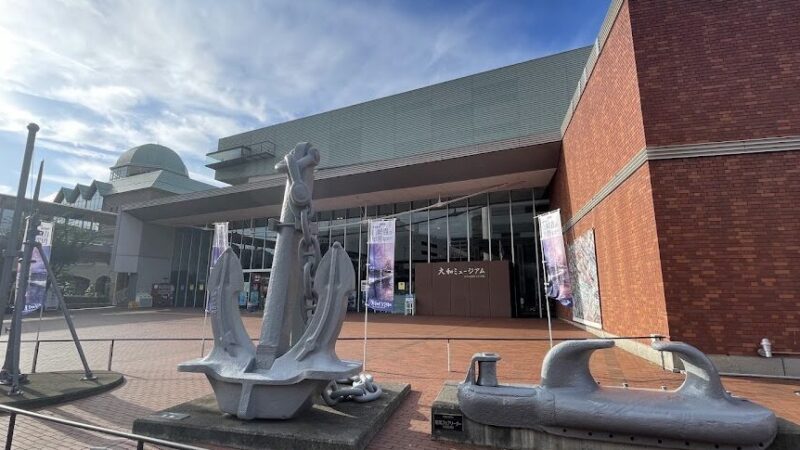
You can enjoy sacred site pilgrimage combined with tourism, as major Kure attractions such as the Yamato Museum (Kure Maritime Science Museum) and Tetsuno Kuujira Hall (Maritime Self-Defense Force Kure History Museum) are located nearby.
Osaki Shimojima, Mitarai District
Mitarai District on Osaki Shimojima, floating in the Seto Inland Sea, is one of the most important settings in “Tamayura.” A port town that flourished from the Edo period through the early Showa period as a stopover point on Seto Inland Sea shipping routes, it is also designated as a national important traditional building preservation district, like Takehara.
In the work, Kaede and her friends visit on photo club activities, and important scenes in the theatrical versions are set here. The unique landscape where the old townscape harmonizes with the port view possesses a quiet beauty as if time has stopped.
Access to Mitarai District is by ferry from Takehara Port or ports in Kure City. Since the number of departures is limited, it is important to check the schedule in advance and plan with spare time. Rental cars or rental bicycles are convenient for moving around the island.
Onomichi City Sacred Sites
Onomichi City, located in the eastern part of Hiroshima Prefecture, is also one of the sacred sites featured in “Tamayura.” Known as a city of slopes and cats, Onomichi is a tourist destination where the Sennou Temple and Onomichi Channel scenery are depicted in the work.
Onomichi is about 30 minutes from Takehara by JR, making it possible to visit as a day trip. Combined with sacred site pilgrimage, you can fully enjoy local cuisine such as Onomichi ramen and Onomichi-yaki.
There are many tourist spots unique to Onomichi, such as the shopping streets, Sennou Temple Mount Ropeway, and the Alley of Cats, offering enough charm to be enjoyed even by those who are not “Tamayura” fans.
Access Information and Transportation
Access to Takehara City
By Train
- About 1 hour 20 minutes from Hiroshima Station on the JR Kure Line to Takehara Station
- About 25 minutes from Mihara Station on the JR Kure Line to Takehara Station
- Since the Kure Line has limited departures, it is recommended to check the schedule in advance
By Car
- About 20 minutes from Kawachi IC on the Sanyo Expressway
- About 30 minutes from Hiroshima Airport
- Multiple parking areas (both paid and free) are available around the townscape preservation district
By Expressway Bus
- About 1 hour 30 minutes from Hiroshima Bus Center to Takehara
- Direct bus available from Hiroshima Airport to Takehara (approximately 30 minutes)
Transportation Within the City and Surrounding Areas
On Foot
About a 15-minute walk from Takehara Station to the townscape preservation district. Major spots within the preservation district are concentrated within walking distance.
Bicycle Rental
Bicycle rental services are available around Takehara Station. Electric bicycles are also available, allowing comfortable movement even on hilly terrain. Rates are approximately 500-1,000 yen per day.
Local Buses
Community buses circulate within the city, but the number of departures is limited, requiring schedule confirmation.
Taxi
There is a taxi stand in front of Takehara Station. Convenient for traveling to suburban spots.
Rental Car
A rental car is convenient for efficiently touring a wider range of sacred sites or extending your journey to Osaki Shimojima. Rental car companies are available around Hiroshima Airport and Hiroshima Station.
Takehara Gourmet to Enjoy Along With Sacred Site Pilgrimage
Taketsuru Sake Brewery
Takehara City is also the birthplace of Masataka Taketsuru, founder of Nikka Whisky. Taketsuru Sake Brewery is an old-established sake brewery continuing from the Edo period and is also known as the setting for the NHK morning drama “Massan.”
You can tour the brewery and sample sake, and purchase local sake and related products. Combined with “Tamayura” sacred site pilgrimage, you can experience Takehara’s other appeal—its sake culture.
Local Seafood Cuisine
Facing the Seto Inland Sea, Takehara offers excellent cuisine using fresh seafood. Oysters, octopus, and conger eel from the Seto Inland Sea are exceptional when prepared as set meals or rice bowls.
Restaurants using local ingredients are scattered throughout the shopping streets and around the port, making them ideal for stopping by during sacred site pilgrimage. Oyster dishes in winter are particularly popular as local specialties.
Takehara Specialty “Bamboo Shoot Dishes”
As befits its name, Takehara is a bamboo-producing region, and spring offers fresh bamboo shoot dishes. Bamboo shoot rice, bamboo shoot tempura, simmered dishes, and more are served in various preparations.
Cafes and Sweets
Throughout the townscape preservation district, there are stylish cafes and dessert shops converted from old townhouses. You can enjoy leisurely rest while savoring cakes and Japanese confections made with local ingredients and carefully selected coffee.
Beyond just the coffee shop featured in the work, many newly opened shops exist, and cafe hopping alone could occupy an entire day.
Giving Form to Memories of Sacred Site Pilgrimage
Photography Tips
Like Kaede, the protagonist of “Tamayura,” carrying a camera while touring sacred sites increases immersion in the work. Shooting from the same angles as the anime allows you to re-experience the work’s world.
The townscape preservation district is full of historic buildings where every vista makes for beautiful scenery. Early morning quiet hours and dusk are especially ideal, as soft light beautifully illuminates the townscape, capturing impressive photographs.
When taking photographs, be mindful not to disturb local residents’ lives or other tourists, and enjoy respectfully while observing proper etiquette.
Souvenirs and Goods
At tourist information offices and shops in Takehara’s commercial district, you can purchase “Tamayura” original merchandise and local specialties. Stickers, postcards, and keychains are popular as commemorative items from sacred site pilgrimage.
Local specialties include bamboo crafts, sake, processed seafood products, and Japanese sweets, which make appreciated souvenirs. In particular, sake from Taketsuru Brewery is well-regarded as a representative specialty of Takehara.
Event Information
Throughout the year, various events are held in Takehara City. Particularly “Shokei no Michi” in late October is a special event for “Tamayura” fans, attracting pilgrims from across the country.
Many regional traditional events such as summer festivals and autumn harvest festivals are also held. Checking event information according to your visit timing allows you to enjoy a more enriched sacred site pilgrimage.
Conclusion: A Journey That Remains in Your Heart Through “Tamayura” Sacred Site Pilgrimage
Takehara City in Hiroshima Prefecture, the sacred site of the anime “Tamayura,” is a wonderful place to experience the work’s world. The beautiful townscape continuing from the Edo period, warm local people, and calm scenery of the Seto Inland Sea warmly welcome all who visit.
Centered on the townscape preservation district in central Takehara, you can visit almost all the sacred sites featured in the work by extending your journey to Kure City, Osaki Shimojima, and Onomichi City. Each location has its own unique appeal, deepening your understanding of the work while allowing you to touch the culture and history of the Seto Inland Sea region.
Sacred site pilgrimage is not merely tourism but a special experience where the work and reality intersect. Walking the same paths Kaede and her friends walked and gazing at the same landscapes allows the work’s message and the characters’ feelings to resonate more deeply in your heart.
Taking your time to tour unhurriedly, enjoying local cuisine, and valuing interactions with people will make “Tamayura” sacred site pilgrimage an unforgettable memory for life. Why not set out on a journey with a camera in hand, searching for your own “tamayura”?
Takehara’s town will always welcome you warmly. Even more than 10 years after the broadcast ended, maintaining its unchanged beauty and warmth, spend precious time at this sacred site that holds lasting memories.