Introduction: The Deep Connection Between “Anohana” and Chichibu City, Saitama Prefecture
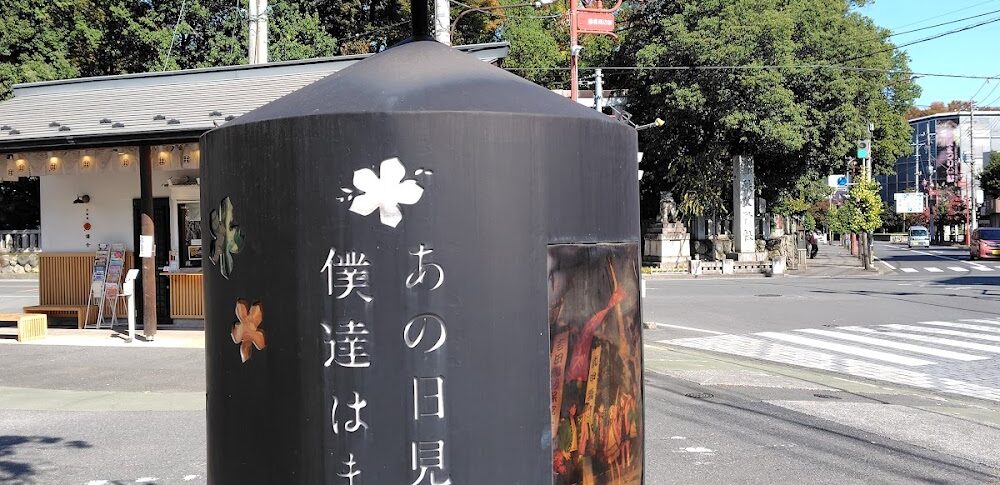
“Ano Hi Mita Hana no Namae wo Bokutachi wa Mada Shiranai.” (commonly known as “Anohana”) is a television animation work broadcast in 2011 that depicts the youth and growth of childhood friends set in Chichibu City, Saitama Prefecture. The meticulously recreated landscapes of Chichibu became an important element of the story, and after its broadcast, a “sacred site pilgrimage” boom occurred as many fans visited Chichibu.
Chichibu City is an attractive region with good access—about 80 minutes by express train from central Tokyo—while retaining rich natural scenery and historic town landscapes. By visiting the real locations depicted as the stage of the anime, you can experience the world of the work more deeply.
This article comprehensively provides information on sacred site pilgrimage spots that are a must-see for “Anohana” fans, efficient ways to visit them, access methods, and information to fully enjoy the charm of Chichibu.
The Appeal of “Anohana” and Why Chichibu Was Chosen
Overview of the Work
“Anohana” is an original animation work produced by A-1 Pictures and directed by Tatsuyuki Nagai. The story follows childhood friends who reunite to fulfill the wishes of Meiko Honma (Menma), a companion who died in childhood, as they confront their own emotional wounds.
The delicate psychological depiction by screenwriter Mari Okada, combined with the beautiful landscapes of Chichibu, captured the hearts of many viewers. More than a decade after the broadcast ended, it continues to be cherished as a masterpiece.
Why Chichibu Was Chosen as the Setting
There are multiple reasons why the production staff chose Chichibu as the setting. First, while at a convenient distance from Tokyo, the atmosphere of the countryside and remaining natural environment perfectly matched the world view of the story. Additionally, the basin geography surrounded by mountains unique to Chichibu was well-suited to expressing both the sense of confinement and openness of the characters.
Furthermore, the existence of distinctive landmarks such as Chichibu Bridge, Jōrin-ji Temple, and Hitsujiyama Park was a major factor. By carefully incorporating these real locations into the work, a realistic stage setting was realized.
Complete Guide to Major Sacred Site Pilgrimage Spots
Chichibu Bridge (Chibushi-bashi)
Scenes in the Work
Chichibu Bridge is a symbolic spot that appears multiple times in the opening sequence and main episodes of “Anohana.” It’s used in impressive scenes such as when Jinta (Jinta Yadomi) walks with Menma.
Actual Location and Characteristics
A bridge spanning the Arakawa River with a total length of approximately 130 meters, completed in 1931, this historic bridge features a beautiful arch design and has become a symbol of Chichibu. From the bridge, you can see Mount Buko, and experience the natural beauty of Chichibu throughout the seasons.
Photography Tips
It’s recommended to photograph from near the center of the bridge with Mount Buko as the backdrop. Also, photographing the entire bridge from the bridge’s base will yield a composition close to the anime’s shot. Photography at dusk is also popular for its atmospheric quality.
Jōrin-ji Temple (Jōrin-ji)
Importance in the Work
Jōrin-ji Temple is believed to be the model for the location where the Super Peace Busters’ secret base was situated. It’s an important location related to the core of the story. The atmosphere of the stone steps and temple grounds has been faithfully recreated in the anime.
Etiquette for Visiting and Points of Interest
Jōrin-ji Temple functions as an actual place of worship, so please observe visiting etiquette. Walk quietly through the grounds, and be considerate that photography should not disturb other visitors.
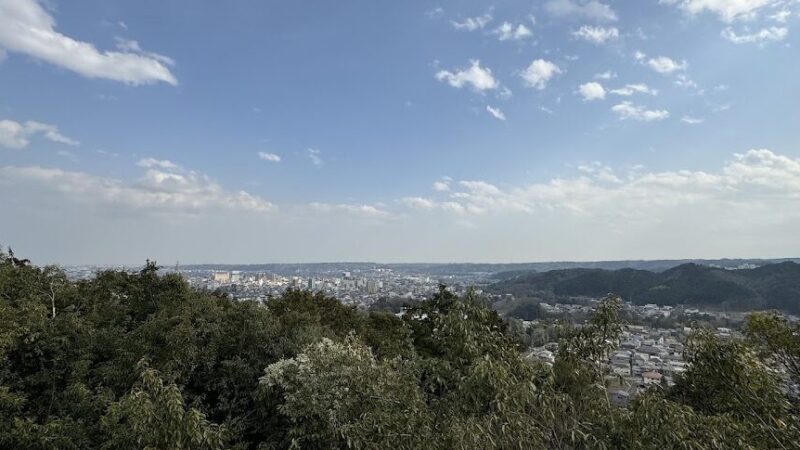
From the grounds, you can view the cityscape of Chichibu, and the scenery is particularly beautiful during the cherry blossom season. As you climb the stone steps, take your time and recall scenes from the anime.
Access Information
About 15 minutes on foot from Chichibu Station. There are fairly steep slopes and stone steps, so comfortable walking shoes are recommended.
Hitsujiyama Park (Hitsujiyama Kōen)
Depiction in the Work
Hitsujiyama Park appears several times in the work, and the moss phlox hill in particular is known as one of Chichibu’s representative tourist spots. The park’s spacious atmosphere is effectively used in scenes expressing the characters’ emotions.
Points of Interest and Visit Timing
The main attraction is the moss phlox that blooms from mid-April to early May. Over 17,600 square meters of hillside is planted with more than 400,000 moss phlox in nine varieties, creating beautiful patterns in pink, white, and purple flowers.
Even outside of moss phlox season, the park has a “Fureai Pasture” where you can interact with sheep. It’s also popular as a viewpoint overlooking the cityscape of Chichibu and Mount Buko.
Admission and Opening Hours
During the moss phlox blooming season, admission is required (approximately 300 yen for adults, free for middle school students and younger). Outside this period, admission is free. Basic opening hours are 8:00 AM–5:00 PM, but these may vary during the moss phlox season.
Chichibu Shrine
Although Chichibu Shrine has few scenes of direct appearance in the work, it’s worth visiting as a representative tourist spot of Chichibu during a sacred site pilgrimage.
History and Heritage
Founded over 2,000 years ago, it’s one of the most distinguished ancient shrines in the Kanto region. The shrine building donated by Tokugawa Ieyasu is designated as a Saitama Prefecture tangible cultural property, and its intricate carvings are magnificent. In particular, the carvings such as the “Connecting Dragon” and “Child-Raising Tiger” are must-sees.
Connection to the Chichibu Night Festival
Held annually on December 2-3, the Chichibu Night Festival is one of Japan’s three major float festivals and is also registered as a UNESCO Intangible Cultural Heritage. The spectacle of lavishly decorated floats parading through the city is breathtaking.
Former Chichibu Bridge
The former Chichibu Bridge located just downstream of the current Chichibu Bridge is also a known spot among “Anohana” fans. As a pedestrian-only bridge, it allows you to enjoy Chichibu’s scenery quietly.
Chichibu Muse Park
A vast park spanning Chichibu City and Ogano Town, this spot offers a magnificent view from its observation platform. It also appears in the work as a distant view.
Facilities and How to Enjoy
The park has well-equipped facilities including a concert hall, art museum, and sports facilities. The approximately 3 km “Sky Road” is ideal for walking and cycling, where you can fully enjoy Chichibu’s nature.
Around Chichibu Station
The areas around Chichibu Railway Chichibu Station and Seibu Chichibu Station also frequently appear in daily scenes in the work. The landscape of shopping streets and residential areas is depicted carefully, so you can feel the work’s world view just by walking around the town.
Proposed Efficient Sacred Site Pilgrimage Routes
One-Day Course: Main Spots Conquest Plan
Morning (9:00 AM–12:00 PM)
- Arrive at Seibu Chichibu Station (9:00 AM)
- Visit Chichibu Shrine (9:15 AM–9:45 AM)
- View and photograph Chichibu Bridge (10:00 AM–10:30 AM)
- Visit Jōrin-ji Temple (11:00 AM–11:45 AM)
Lunch (12:00 PM–1:00 PM)
Enjoy Chichibu specialties such as wisteria-leaf-shaped pork cutlet bowl or soba in the Chichibu city area
Afternoon (1:00 PM–5:00 PM)
- Stroll through Hitsujiyama Park (1:30 PM–3:00 PM)
- Chichibu Muse Park (3:30 PM–4:30 PM)
- Hot spring at “Matsuri no Yu” in front of Seibu Chichibu Station (5:00 PM–6:00 PM)
Half-Day Course: Compact Pilgrimage Plan
An efficient route for those with limited time.
- Arrive at Chichibu Station (10:00 AM)
- Chichibu Bridge (10:15 AM–10:45 AM)
- Jōrin-ji Temple (11:00 AM–11:45 AM)
- Chichibu Shrine (12:00 PM–12:30 PM)
- Lunch (12:45 PM–1:45 PM)
- Hitsujiyama Park (2:00 PM–3:30 PM)
Two-Day Course: Leisurely Enjoyment Plan
Recommended for those who want to savor all of Chichibu’s charm.
Day 1
Visit major sacred site pilgrimage spots and stay at an inn or hotel in Chichibu. Enjoy Chichibu’s local sake and regional cuisine.
Day 2
Experience more of Chichibu’s nature and culture through activities like river rafting on the Nagatoro River and visits to Mitsmine Shrine.
How to Access Chichibu
By Train
Seibu Railway
- From Ikebukuro Station on the Seibu Chichibu Line express “Chichibu” or “Musashi” train for approximately 78 minutes
- Express charge: 700 yen (regular season)
- Approximately 2 hours by local train
Chichibu Railway
- From Kumagaya Station on the Chichibu Railway for approximately 70 minutes
- Steam locomotive “Paleo Express” also operates (mainly on weekends and holidays)
By Car
Via Kan’etsu Expressway
- From Nerima IC to Hanazono IC: approximately 50 minutes
- From Hanazono IC to Chichibu city area via National Route 140: approximately 30 minutes
- Total travel time: approximately 1 hour 30 minutes
Parking Information
Paid parking lots are available around major tourist spots. Expect congestion on weekends, so early arrival is recommended.
Economical Tickets and Free Passes
Seibu Railway “Chichibu Manyū Kippu” (Chichibu Sightseeing Ticket)
A discounted ticket that bundles round-trip transportation from various Seibu Railway stations to the Chichibu and Nagatoro areas with unlimited boarding and alighting in the Chichibu area.
Chichibu Railway “Chichibu-ji Yūyū Free Kippu” (Chichibu Free Ride Ticket)
A free pass allowing unlimited boarding and alighting on all Chichibu Railway lines for one day.
Precautions and Etiquette for Sacred Site Pilgrimages
Consideration for Local Residents
Most sacred site pilgrimage spots are in areas where people actually live. Please note the following points:
- No trespassing on private property: Even if a location appears in the work, do not enter private land
- Be mindful of noise: In residential areas, refrain from loud conversations or disruptive behavior
- Always take your trash with you: Cooperate in keeping the area clean
- Obey traffic rules: Avoid sudden street crossings or photography on roadways as they are dangerous
Photography Etiquette
- Be considerate of other tourists: Avoid monopolizing locations for extended periods
- Respect temples and shrines: Worship takes priority; don’t photograph where prohibited
- Get permission at commercial facilities: Ask for permission before photographing inside stores
- Respect privacy: Be considerate if other people appear in your photos
Precautions for Seasons and Weather
Summer (June–August)
- Heat stroke prevention: wear a hat, carry an umbrella, drink water frequently
- Bring insect repellent spray
Winter (December–February)
- Dress warmly: Chichibu, being a basin, gets very cold
- Be careful of icy road surfaces
Rainy Season
- Prepare rain gear
- Wear non-slip shoes
Chichibu’s Cuisine and Souvenirs
Must-Try Chichibu Specialties
Wisteria-Leaf-Shaped Pork Cutlet Bowl (Waraji Katsudon)
Chichibu’s representative B-class gourmet. Two large cutlets shaped like wisteria leaves are served on rice, making for a very filling meal. Famous restaurants include “Yasuda-ya” and “Nosaka.”
Chichibu Soba
Made with high-quality buckwheat grown in Chichibu’s cool climate. Many restaurants serve fragrant 100% buckwheat soba.
Miso Potato (Miso Poteto)
A Chichibu local dish. Steamed potatoes topped with sweet and salty miso sauce with simple, hearty flavors.
Miso-Marinated Pork
A Chichibu specialty. Pork marinated in local miso makes an ideal souvenir.
Chichibu Hormone Grilled (Horumonyaki)
Grilled hormone has long been enjoyed in Chichibu. Many restaurants serve fresh hormone.
Recommended Souvenirs
Chichibu Mochi
One of Chichibu’s renowned sweets. Soft mochi wrapped around finely sweet bean paste.
Chichibu Local Sake
Sake such as “Chichibu Nishiki” and “Buko Masatari” brewed with Chichibu’s famous water are of high quality and make ideal souvenirs for sake lovers.
Maple Syrup
Maple syrup extracted from maple trees native to Chichibu is a rare and exceptional product.
“Anohana” Related Goods
Original “Anohana” goods are sold at tourist information centers and souvenir shops throughout Chichibu.
“Anohana” Events and Chichibu’s Initiatives
Regularly Held Events
Chichibu City actively promotes regional development using “Anohana,” with various events held.
Anohana Stamp Rally
A stamp rally visiting major sacred site pilgrimage spots is held regularly. Completion prizes often include limited-edition merchandise.
Anniversary Events
Commemorative events are occasionally held on the broadcast premiere date or important dates within the work.
Chichibu City’s Sacred Site Pilgrimage Support
Distribution of Sacred Site Pilgrimage Maps
“Anohana” sacred site pilgrimage maps are freely distributed at the Chichibu City Tourist Information Center and Seibu Chichibu Station. With detailed location explanations and photos, these maps ensure a worry-free first visit.
Improvement of Photography Spots
Major spots have been made more photography-friendly, and some feature photo panels of memorable scenes from the work.
Other Attractions in Chichibu: Points of Interest Beyond “Anohana”
Nagatoro (Nagatoro)
Located in Nagatoro Town, Chichibu District, adjacent to Chichibu City, this is a tourist destination. The “Iwatatamai” (Stone Tatami), designated as a nationally designated scenic beauty and natural monument, and rafting on the Arakawa River are famous. It’s about 20 minutes by Chichibu Railway from Chichibu Station, with good accessibility.
Mitsmine Shrine (Mitsuminejinja)
A major power spot in the Kanto region situated on a mountain at 1,100 meters elevation. The mystical atmosphere and spectacular sea of clouds views are popular. About 50 minutes by car from Chichibu city, with bus service also available.
Chichibu Thirty-Four Kannon Pilgrimage
A pilgrimage route dating from the Edo period. Visiting all 34 temples provides an opportunity to deeply learn about Chichibu’s history and culture.
Mount Buko (Buko-san)
At 1,304 meters elevation, this is the symbolic mountain of Chichibu. It frequently appears as a background in “Anohana.” Climbing is possible, and the view from the summit is outstanding.
Accommodation Facilities
Hotels and Traditional Inns
Hotels in Chichibu City Area
- Various options from convenient business hotels near the station to hot spring inns
- Price range: approximately 5,000–15,000 yen
Hot Spring Inns
- Several hot spring areas collectively known as Chichibu Nanayu
- “Mangan no Yu” and “Hoshineo no Yu” are popular
Guesthouses and Minshuku (Traditional Lodgings)
For budget-conscious travelers, guesthouses and family-run inns are recommended. You can also enjoy interaction with local residents.
Campgrounds
For those wanting to spend time peacefully in nature, campgrounds around Chichibu are another option. You can enjoy a starry night sky.
Anime Works Other Than “Anohana” Set in Chichibu
Chichibu has been the setting for several anime works besides “Anohana.”
“Kokoro ga Sakebitagatterunda.” (The Anthem of the Heart)
A work by the same production team as “Anohana,” also set in Chichibu. It was released as an anime film in 2015 and received a live-action film adaptation in 2017.
Other Works
Chichibu’s beautiful scenery has been used as a background in various works. During a sacred site pilgrimage, visiting spots from multiple works is also an enjoyable way to experience the area.
Chichibu’s Charm by Season
Spring (March–May)
Spectacular Moss Phlox
From mid-April to early May, Hitsujiyama Park is the prime season to visit Chichibu. The carpet of moss phlox spreading across the landscape is breathtaking.
Cherry Blossom Spots
Chichibu has many famous cherry blossom locations. The weeping cherries at Jōrin-ji Temple and Seiunji Temple are particularly renowned.
Summer (June–August)
Chichibu Kawase Festival
Held on July 19–20, this summer festival at Chichibu Shrine features float parades and food stalls.
Swimming in the Nagatoro River
Rafting and river tours attract visitors seeking coolness during the hot season.
Autumn (September–November)
Beautiful Fall Foliage
From late October through mid-November, Chichibu’s mountains are painted in autumn colors. The areas around Mitsmine Shrine and Naka Gorge feature particularly beautiful foliage.
Chichibu Night Festival
Held on December 2–3, this is one of Japan’s three major float festivals. The spectacle of lavishly decorated floats combined with winter fireworks is not to be missed.
Winter (December–February)
Ice Pillars at Tsumari
Natural ice pillars form from early January through mid-February. Night illuminations create a mystical atmosphere.
Relaxing in Hot Springs
Winter is the perfect season for hot springs. Warming your body in Chichibu’s hot springs while relaxing is highly recommended.
Conclusion: Rediscovering Chichibu’s Charm Through “Anohana” Sacred Site Pilgrimage
Saitama Prefecture’s Chichibu City, the setting for “Ano Hi Mita Hana no Namae wo Bokutachi wa Mada Shiranai,” is a place that offers wonderful experiences not only to anime fans but to all visitors.
By visiting the actual locations depicted in the work, your understanding of the story deepens, and you feel the emotions of the characters more directly. The view of Mount Buko from Chichibu Bridge, the stone steps of Jōrin-ji Temple, the open spaces of Hitsujiyama Park—these locations leave lasting impressions not just in the anime but when visited in person.
Additionally, Chichibu is not only a sacred site for “Anohana” but also a tourist destination with diverse charms: abundant natural scenery, historic temples and shrines, delicious local cuisine, and hot springs. Many people who visit Chichibu for a sacred site pilgrimage become captivated by its true charm.
Though conveniently accessible from central Tokyo and suitable for a day trip, Chichibu allows you to escape the bustle of the city. Why not immerse yourself in the world of “Anohana” while experiencing what Chichibu uniquely offers?
When visiting for a sacred site pilgrimage, remember to be considerate of local residents and follow proper etiquette. Fully enjoy Chichibu’s charm and create wonderful memories.
Finally, it’s recommended to check the official Chichibu City Tourism Association website and the “Anohana” official website for the latest information before your visit. Event and transportation information are regularly updated.
Set out on your journey to Chichibu with the emotion of “Anohana” in your heart. Surely, an unforgettable experience awaits you.