What kind of work is “Kokuhaku no Saki”?
“Kokuhaku no Saki” (commonly known as “Kokusake”) is an anime film released in September 2015. It garnered attention as a work in which the “Super Peace Busters” trio—director Tatsuyuki Nagai, known for “Anohana: The Flower We Saw That Day,” screenwriter Mariko Okada, and character designer Masuga Tanaka—reunited once again.
The protagonist of the story is Jun Narusei, a high school girl who has been cursed with “stomach pain when speaking” due to childhood trauma. As she and her classmates Takumi Sakagami, Natsuki Nito, and Taiki Tasaki work on a musical for a community exchange event, she faces her emotional wounds and grows through this coming-of-age story.
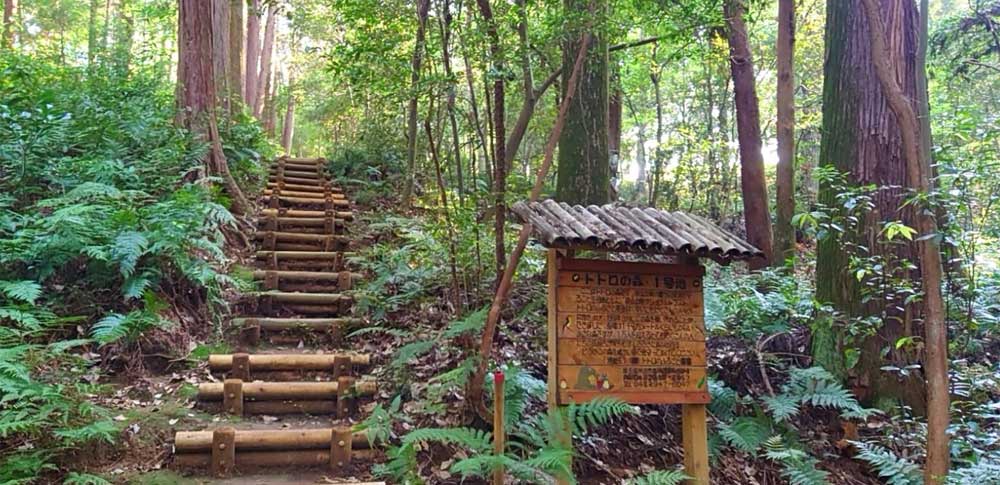
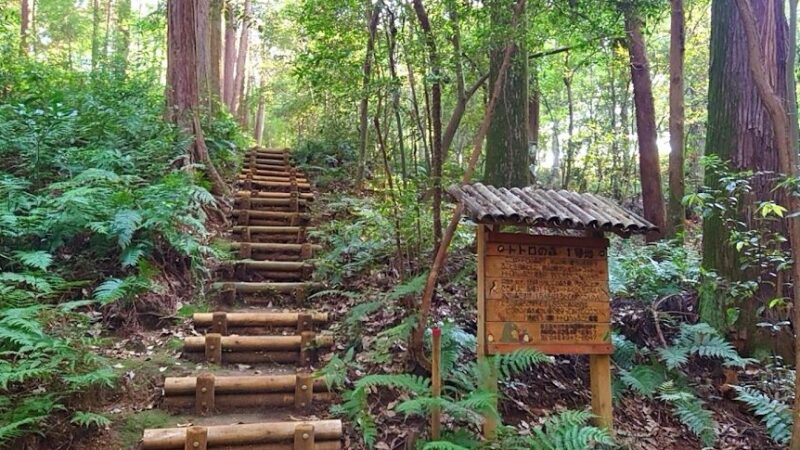
This work is set primarily in the Chichibu area of Saitama Prefecture, specifically in Chichibu City and Yokoze Town, and many real-world landscapes appear throughout. Beautiful nature and nostalgic townscapes color the story’s world, and the location has become a popular pilgrimage destination with many fans visiting.
In 2017, it was adapted into a live-action film starring Kento Nakajima, with filming also taking place in the Chichibu area. Since both the anime and live-action versions use the same locations, the appeal of location scouting has expanded.
The Appeal of the Chichibu Area in Saitama Prefecture, Where “Kokuhaku no Saki” Is Set
The Chichibu area of Saitama Prefecture is a region that, despite being just about 80 minutes from central Tokyo by express train, retains rich nature and historic townscapes. Chichibu City and Yokoze Town are adjacent, and the pilgrimage sites for “Kokusake” are concentrated in these two municipalities.
The Chichibu area is the setting for all three works in the “Super Peace Busters trilogy”—”Anohana,” “Kokusake,” and “The Person Who Knows the Blue of the Sky”—and is nationally famous as an anime pilgrimage destination. It was also selected for the 2024 “88 Japanese Anime Sacred Sites Worth Visiting,” and Saitama Prefecture and local municipalities are actively promoting location scouting.
The appeal of the Chichibu area lies in the beautiful mountain scenery that appears in the works, historic temples and shrines, and a warm community spirit. Through location scouting, not only can you experience the world of the work, but you can also enjoy the culture and nature of Chichibu—which is a major attraction.
Complete Guide to “Kokuhaku no Saki” Pilgrimage Sites
[Yokoze Town Area] Major Sacred Sites
Daiji Temple
Address: 5151 Yokoze, Yokoze Town, Chichibu District, Saitama Prefecture
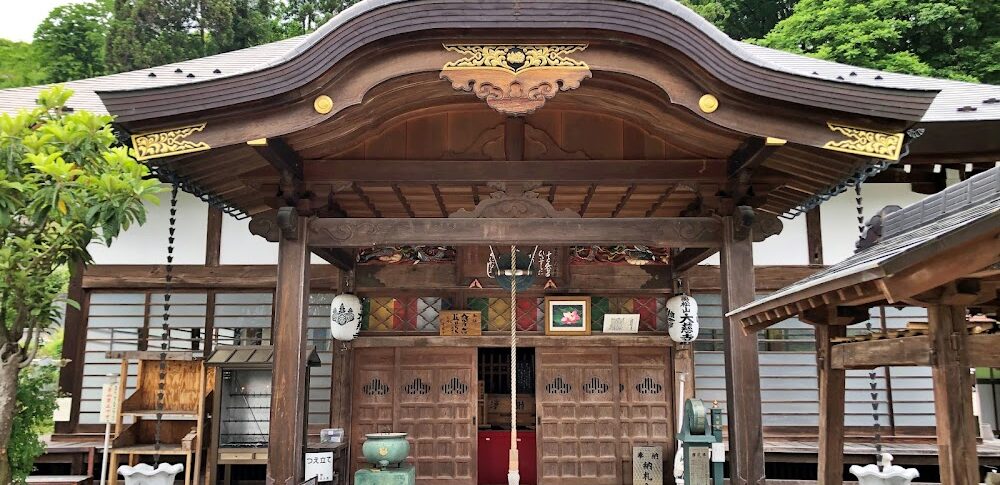
Daiji Temple is the most important pilgrimage site in “Kokusake.” It appears multiple times in important scenes, particularly where Jun first confesses to Takumi about the curse from the “egg fairy” on top of the castle.
Daiji Temple is a Rinzai sect temple affiliated with Kenchoji, founded in 1492 and rich in history. The stone steps, main hall, bell tower, and other features that appear in the work actually exist in the temple grounds, allowing you to take photos from the same angles as in the anime.
Particularly striking is the stone steps where Jun and Takumi sat and talked. This location has become a popular photo spot visited by many fans. The temple grounds have a quiet, solemn atmosphere, allowing for a leisurely pilgrimage while experiencing the work’s world.
When visiting, be sure to respect temple etiquette and observe quietly. Daiji Temple also sells “Kokusake”-related merchandise and votive tablets, allowing you to obtain souvenirs from your pilgrimage.
Yokoze Station and Surroundings
Address: Yokoze, Yokoze Town, Chichibu District, Saitama Prefecture
Yokoze Station on the Seibu Chichibu Line is modeled after the station used by the characters for their commute in the work. The station building, station plaza, and surrounding residential area all appear in the film.
Yokoze Station is an ideal base for location scouting. Major sites like Daiji Temple and other spots are within walking distance from the station, making it possible to efficiently visit multiple locations. The station also has a tourist information center where you can obtain pilgrimage maps and information.
The scenery around the station retains the atmosphere from the work, allowing you to actually walk the same paths as the characters. Visiting during morning or evening commute times will help you feel the work’s world more intensely.
Yokoze Town Junior High School Area
This is one of the locations that served as a model for the high school featured in the work. Though it is actually a junior high school, the school building’s exterior and surrounding scenery appear in the film.
Since this is a school facility, entry into the grounds is not permitted, but you can view the exterior from nearby roads. When photographing, take sufficient care not to disturb student privacy or interfere with school operations.
Hitsuji-yama Park
Address: 6360 Omiya, Chichibu City, Saitama Prefecture
Hitsuji-yama Park is a representative park of Chichibu City, famous for its beautiful moss phlox blooms in spring. In the work, it appears in scenes where Jun and the others prepare for the community exchange event’s musical.
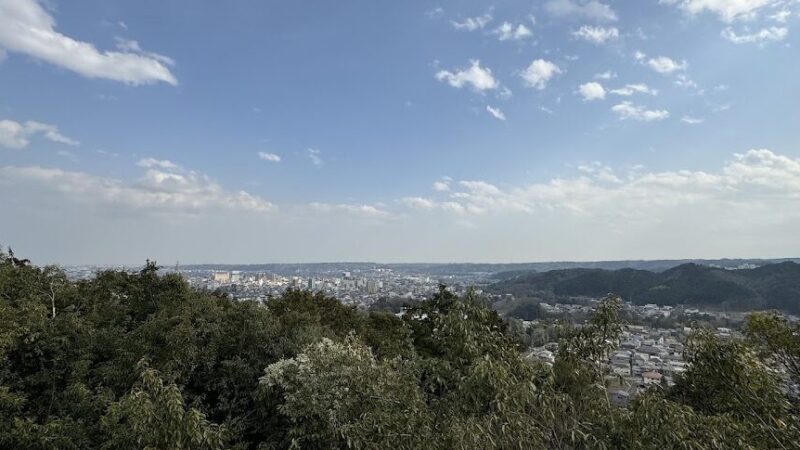
Within the park is a high area called the “Viewpoint Hill,” from which you can overlook Chichibu City. This view also served as a model for scenery in the work and is a standard pilgrimage destination.
During peak moss phlox season from mid-April to early May, the park is crowded with tourists. Combining pilgrimage with enjoying seasonal flowers is also recommended.
[Chichibu City Area] Important Sacred Sites
Chichibu Muse Park
Address: 1377 Tamura, Chichibu City, Saitama Prefecture
Chichibu Muse Park is believed to be the model for “Yamashiro,” located near the high school that Jun attends in the work. The vast park features an observation deck that offers panoramic views of the Chichibu Basin, making it a spectacular viewing spot.
The “castle” that appears in an important scene of the work is believed to be modeled after this observation deck. While it isn’t actually a castle, the view from the elevated area overlaps with the atmosphere of the work.
The park also has a concert hall, which is deeply related to the work’s theme of “music.” You can stroll through the expansive grounds while experiencing the work’s world.
Chichibu Shrine
Address: 1-3 Banba-cho, Chichibu City, Saitama Prefecture
Chichibu Shrine is known as the chief shrine of the Chichibu area. While it doesn’t have direct scenes in the work, it appears as background scenery when depicting Chichibu’s townscape.
The Chichibu Night Festival held in December is one of Japan’s three major festival floats and is registered as a UNESCO Intangible Cultural Heritage. It is a must-visit spot for understanding the culture of Chichibu, which is the work’s setting.
Chichibu Bridge
Address: Chichibu City (a bridge spanning the Arakawa River)
Chichibu Bridge spans the Arakawa River and appears in scenes where characters use it as part of their commute route. From the bridge, you can see Mount Bukoh and other mountains of Chichibu, making it one of the landscapes symbolizing the work’s world.
The view from the bridge changes with the season and time of day. The scenery at dusk is particularly beautiful and is a popular photography spot.
Other Sacred Sites
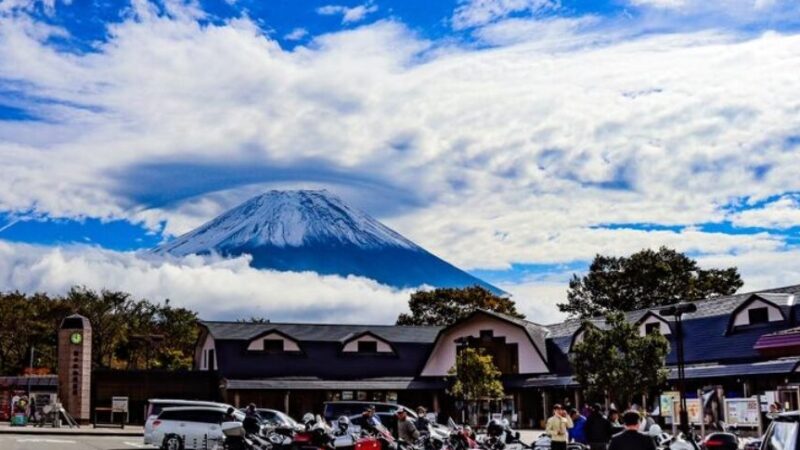
Michino-Eki (Roadside Station) Kajuen Park Ashigakubo
Address: 1915-6 Ashigakubo, Yokoze Town, Chichibu District, Saitama Prefecture
One of the locations that served as a model for scenery in the work. Operating as a roadside station, you can enjoy local specialty products and meals. It’s also ideal as a rest stop during pilgrimage.
Mount Bukoh
Mount Bukoh, a symbol of Chichibu, appears multiple times in the work’s backgrounds. At 1,304 meters elevation, it can be seen from virtually any location in Chichibu City.
You can climb the mountain, but for pilgrimage purposes, enjoying the view of Mount Bukoh from the city is typical. Searching for angles that match the scenery appearing in the work is another way to enjoy pilgrimage.
Saitama Prefectural Chichibu Agricultural and Industrial Science High School Area
This location is believed to be one of the models for the high school in the work. Since it is a school facility, entry into the grounds is not permitted, but the surrounding scenery appears in the film.
Recommended Routes for “Kokuhaku no Saki” Pilgrimage
An Efficient One-Day Route
Here are recommended routes for efficiently visiting pilgrimage sites in one day.
Morning: Yokoze Town Area
- Arrival at Seibu Chichibu Station (around 9:00 AM)
- About 80 minutes from Ikebukuro via Seibu Express Red Arrow
- Begin your journey by renting a bicycle at the station or traveling by bus/on foot
- Yokoze Station (9:30 AM)
- View the station building that appears in the work
- Obtain a pilgrimage map at the tourist information center
- Daiji Temple (10:00-11:00 AM)
- Carefully visit this most important site
- Photograph the stone steps and temple grounds
- Make an offering and write a votive tablet
- Residential Streets in Yokoze Town (11:00 AM-12:00 PM)
- Stroll through the area while looking for scenery from the work
- Visit photography spots with Mount Bukoh in the background
Lunch: Chichibu City Center (12:00-1:00 PM)
- Enjoy Chichibu specialties like waraji katsudon (large breaded cutlet bowl) or Chichibu soba
- Review pilgrimage maps and plan the afternoon
Afternoon: Chichibu City Area
- Chichibu Shrine (1:30-2:00 PM)
- Experience Chichibu’s history and culture
- Stroll through townscapes that served as backdrops for the work
- Chichibu Bridge (2:30 PM)
- Enjoy the view from the bridge
- Photograph the landscape of Mount Bukoh and the Arakawa River
- Hitsuji-yama Park (3:00-4:00 PM)
- View Chichibu City from the viewpoint hill
- Enjoy seasonal flowers
- Chichibu Muse Park (4:30-5:30 PM)
- Enjoy the sunset view from the observation deck
- Take commemorative photos at the location modeled after the “castle”
- Seibu Chichibu Station (6:00 PM)
- Soak in hot spring at Matsuri-no-Yu near the station (optional)
- Purchase souvenirs
- Depart for home
A Two-Day Route for a Leisurely Visit
If you have more time, spending two days on a leisurely pilgrimage is also recommended.
Day 1: Focused on Yokoze Town Area
- Morning: Carefully visit around Yokoze Station and Daiji Temple, exploring detailed sites
- Afternoon: Explore Michino-Eki Kajuen Park Ashigakubo and the Ashigakubo area
- Evening: Stay in Chichibu City center, visit tourism facilities such as the Chichibu Night Festival Hall
Day 2: Focused on Chichibu City Area
- Morning: Visit Chichibu Shrine, Chichibu Bridge, and detailed spots throughout the city
- Afternoon: Tour Hitsuji-yama Park, Chichibu Muse Park, and observation points
- Evening: Relax in a hot spring, then depart for home
Advice by Transportation Method
Pilgrimage on Foot
- Sites in Yokoze Town are concentrated within walking distance of the station
- Major sites in Chichibu City are also walkable
- However, some sites like Chichibu Muse Park are difficult to reach on foot
Rental Bicycles
- Available at Seibu Chichibu Station and Yokoze Station
- Electric-assist bicycles are recommended (due to hilly terrain)
- Allows you to efficiently cover a wide area in one day
Buses
- Buses operate from Seibu Chichibu Station to various sites
- Check schedules in advance for smooth travel
- One-day free passes are economical
Rental Cars / Personal Vehicles
- Provides the most freedom and efficient use of time
- Convenient access to hilltop sites like Chichibu Muse Park
- Check parking availability in advance
The Appeal of Characters and Story in “Kokuhaku no Saki”
Main Character Introductions
Jun Narusei
- Voice: Inori Minase (anime version) / Played by: Sena Nakashima (live-action version)
- The protagonist. A high school girl cursed with “stomach pain when speaking” due to childhood trauma, unable to communicate with others
- Believes she was cursed by an “egg fairy” living on top of the castle
- Since singing doesn’t cause pain, she expresses her feelings through the musical
Takumi Sakagami
- Voice: Aoki Uchiyama (anime version) / Played by: Kento Nakajima (live-action version)
- Jun’s childhood friend. Was a star pitcher on the baseball team but quit due to an elbow injury
- Appointed to the community exchange event planning committee and reunites with Jun
- His kind and sincere nature gradually opens Jun’s heart
Natsuki Nito
- Voice: Amasaki Ame (anime version) / Played by: Kyoko Yoshine (live-action version)
- A cheerleading club member and bright, active high school girl
- Has romantic feelings for Takumi
- Works on the musical with Jun and the others as a planning committee member
Taiki Tasaki
- Voice: Yoshimasa Hosoya (anime version) / Played by: Anna Ishii (live-action version)
- A member of the concert band and honor student
- In a relationship with Natsuki but harbors complex feelings
- Handles the musical’s music
The Work’s Themes and Appeal
“Kokuhaku no Saki” is a work centered on the themes of “words” and “communication.” It carefully depicts Jun’s process of conveying her feelings through music, an alternative form of expression, after losing the ability to speak.
The work’s appeal lies in how realistically the emotional wounds and conflicts of each character are portrayed. Not only Jun, but also Takumi, Natsuki, and Taiki each carry worries and regrets. As the four of them work on the community exchange event’s musical, they face each other’s true feelings and grow—a situation with which many viewers empathized.
Music is also a major appeal of this work. The musical numbers performed in the film multiply the story’s emotional impact many times over. Particularly, “My Voice,” sung by Jun at the climax, has become a memorable song in the hearts of many fans.
Accessing the Sites and Preparing for Your Pilgrimage
Access from Tokyo
By Train
- Seibu Ikebukuro Line / Chichibu Line
- About 80 minutes from Ikebukuro Station to Seibu Chichibu Station via Limited Express Red Arrow
- Fare: approximately ¥1,500 per way (including express surcharge)
- Frequency: 1-2 trains per hour
- Most convenient and recommended route
- Via JR Hachiko Line
- Take the Takasaki Line to Kumagaya Station, transfer to Chichibu Railway to Chichibu Station
- Takes longer but allows you to enjoy the atmosphere of the local Chichibu Railway line
By Car
- From Kanetsu Expressway Hanazono IC via Route 140, approximately 30 km, about 50 minutes
- From Kensodo Expressway Sayama-Hidaka IC via Route 299, approximately 40 km, about 70 minutes
- Watch for traffic congestion on weekends and during tourist season
Preparation for Your Pilgrimage
Packing Checklist
- Pilgrimage map (available at local sites, check online in advance)
- Images from the work (save to your phone for comparison photography)
- Camera / smartphone (don’t forget charger)
- Comfortable walking shoes (due to slopes and stone steps)
- Drinks and snacks
- Season-appropriate clothing (sun protection in summer, warm clothes in winter)
Things to Check Beforehand
- Weather forecast (rainy days make outdoor photography difficult)
- Operating hours and closed days for each site
- Bus schedules (if planning bus travel)
- Hotel reservations (if staying overnight or longer)
Manners and Rules
- Never trespass on private property
- School facilities are viewable only from outside; be considerate not to interfere with classes
- Follow proper etiquette at temples and shrines
- Be mindful of noise in residential areas
- Always take your trash with you
- Respect the daily lives of local residents
Tourist Spots You Can Enjoy Alongside Pilgrimage Sites in Chichibu
Chichibu’s Three Major Attractions
Chichibu Yomatsuri Hall
- A facility where the traditional “Chichibu Night Festival” can be experienced year-round
- Displays actual festival floats and elaborate decorated platforms used in the event
- Learn about Chichibu’s history and culture
Nagatoro Line Boat Ride
- An activity to enjoy the scenic beauty of the Arakawa River gorge by boat
- Spring cherries, summer greenery, and autumn foliage create beautiful seasonal scenery
- About 20 minutes by Chichibu Railway from Chichibu Station
Mitsutoge Shrine
- A major power spot in the Kanto region located at 1,100 meters elevation
- Features a mystical atmosphere and spectacular views
- Access by bus takes about 90 minutes, so recommended for those with flexible schedules
Chichibu Cuisine
Waraji Katsudon
- A Chichibu specialty with two large breaded cutlets served on rice
- Named for its resemblance to waraji (traditional sandals) due to its large size
- Offered at multiple restaurants throughout the city
Chichibu Soba
- Buckwheat noodles made with pure Chichibu water
- Fragrant with excellent texture
- Many longstanding soba restaurants available
Miso Potato
- A local dish of steamed potatoes topped with sweet-savory miso sauce
- Easily enjoyed at roadside stations and restaurants
Chichibu Wine
- Wine made from Chichibu-grown grapes
- Winery tours are available
Hot Spring Facilities
Matsuri-no-Yu
- A complex hot spring facility in front of Seibu Chichibu Station
- Perfect for soothing pilgrimage fatigue
- Features food court and gift shops
Chichibu Hot Spring Manganomiya
- A public bath facility in the Nagatoro area
- Popular for its outdoor bath with views of the Arakawa gorge
Information on “Kokuhaku no Saki” Related Events and Merchandise
Regularly Held Events
Anime Sacred Sites 88 Stamp Rally
- Hosted by Saitama Prefecture as a pilgrimage stamp collection
- Includes two “Kokusake” sites among sacred sites throughout the prefecture
- Participants receive limited-edition merchandise prizes
Chichibu Anime Tourism
- An initiative by the Chichibu City Tourism Association to promote anime pilgrimage
- Includes pilgrimage map distribution and guidance sign placement
- Regularly hosts collaborative events
Merchandise and Souvenirs
Daiji Temple Original Merchandise
- “Kokusake”-designed votive tablets
- Amulets and temple stamps
- Postcards and more
Seibu Chichibu Station Gift Shop
- Region-exclusive merchandise collaborating with the work
- Available alongside Chichibu specialty products
Pilgrimage Maps
- Free distribution at tourist information centers
- Contains detailed location information and access directions
Recommended Pilgrimage Seasons
Spring (March-May)
- Recommended Points: Moss phlox at Hitsuji-yama Park is in bloom (mid-April to early May)
- Weather: Pleasant and ideal for walking-based pilgrimage
- Notes: The area gets crowded during peak phlox season, so plan early
Summer (June-August)
- Recommended Points: Lush greenery is beautiful; enjoy nature fully
- Weather: Hot, but cooler than central Tokyo
- Notes: Don’t forget sun protection and stay hydrated
Autumn (September-November)
- Recommended Points: Autumn foliage is beautiful; most suitable season for pilgrimage
- Weather: Cool and comfortable; often ideal photography weather
- Notes: Popular season means accommodation should be reserved early
Winter (December-February)
- Recommended Points: Chichibu Night Festival (December 2-3) offers a special atmosphere
- Weather: Cold, but clear winter air makes Mount Bukoh distinctly visible
- Notes: Prepare for cold weather; be cautious on snowy ground
Differences Between the Anime and Live-Action Versions and How to Enjoy Both
The live-action film released in 2017 was also filmed in the Chichibu area. It features an impressive cast including Kento Nakajima as the lead, along with Kyoko Yoshine and Anna Ishii.
Similarities Between Anime and Live-Action Versions
- Basic storyline remains the same
- Set in Chichibu and Yokoze Town
- Major pilgrimage sites like Daiji Temple are shared
Differences
- Subtle differences in settings and character portrayals
- New filming locations appear in the live-action version
- Different staging for music and musical scenes
Watching both works before pilgrimage allows you to enjoy it more fully. The same location can be viewed from different angles and staging in each version, doubling the enjoyment.
Conclusion: The Appeal of “Kokuhaku no Saki” Pilgrimage
The pilgrimage to “Kokuhaku no Saki” sacred sites allows you not only to experience the work’s world but also to touch the beautiful nature and culture of Chichibu in Saitama Prefecture—a wonderful experience.
Sacred sites centered on Daiji Temple in Yokoze Town and Chichibu Muse Park and Hitsuji-yama Park in Chichibu City are each linked to important scenes from the work, and visiting them revives the story’s emotional impact each time.
The convenience of access from Tokyo—just about 80 minutes by express train—is also an appealing feature, allowing you to visit major sites even on a day trip. For those with more time, staying overnight to enjoy Chichibu’s hot springs and cuisine while leisurely exploring sacred sites is also recommended.
Through pilgrimage, you can walk the paths Jun and her friends walked, and by seeing the scenery they saw with your own eyes, your understanding of and affection for the work will deepen further. The warm welcome from local residents is also a major appeal of the Chichibu pilgrimage.
Respecting manners and showing consideration for the community, fully enjoy your pilgrimage to “Kokuhaku no Saki” sacred sites. You should be able to feel the work’s message about “the courage to convey your true feelings” at these locations.